
Last updated November 25, 2026
 Sweep & inspection
 Caps & crowns
 Flue relining
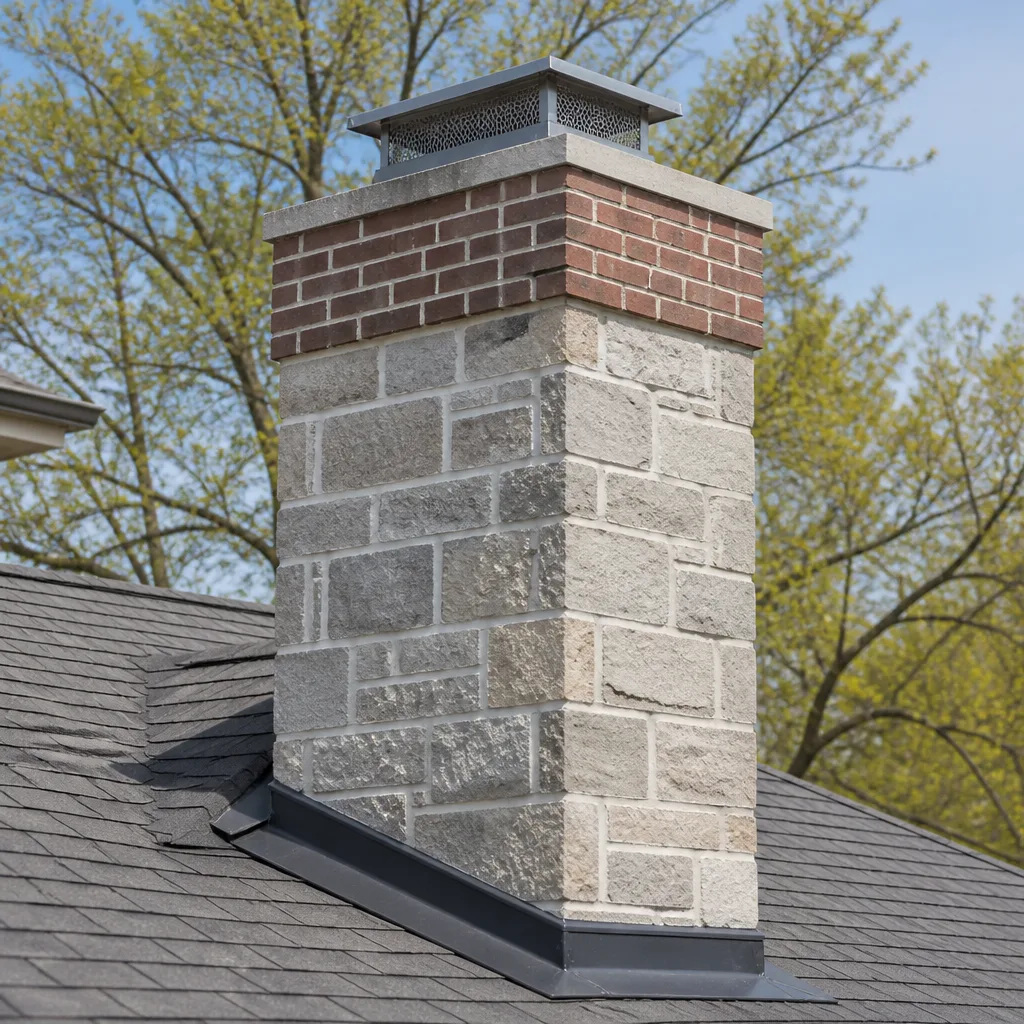 Masonry repair
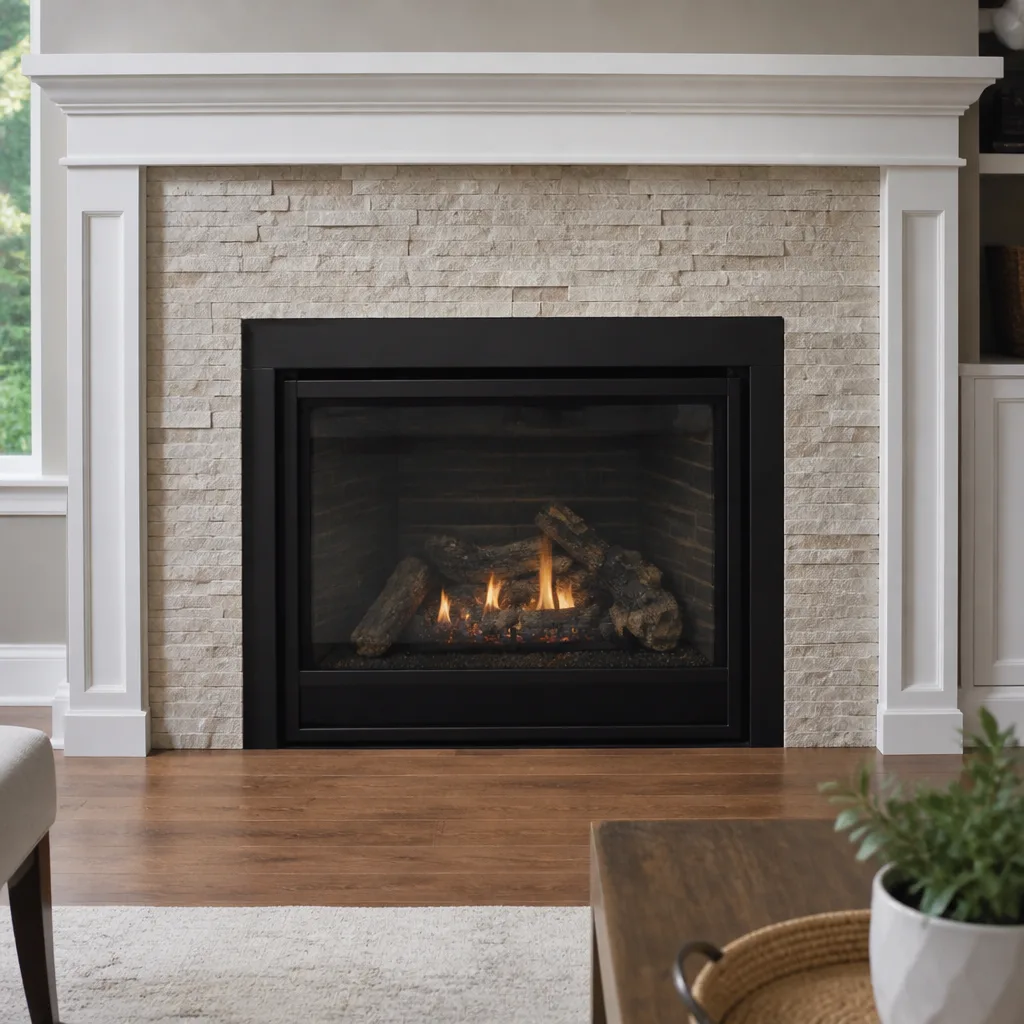 Gas fireplace service
Level 1 sweep and inspection to the NFPA 211 annual standard - flue, crown, cap, and flashing checked and photographed
Chimney sweep logs do not sweep chimneys. They loosen some creosote - which then falls where a brush and vacuum still have to collect it.
Chimney Cleaning Permits, Codes & Inspections in Westminster, CA: What You Need to Know
No permit is required to clean a chimney. That part surprises almost nobody. What surprises Westminster homeowners is what happens in the ten minutes after the sweep finishes and starts pointing at cracks in the firebox or a liner that looks worn: the moment a contractor touches the liner, the cap, or the flashing, you’ve crossed out of maintenance and into permitted construction work under California building code. If that repair happens on the same visit without a permit, the job won’t appear in the building record, and a buyer’s inspector will flag it when you sell. This guide walks through where the line sits, which standards govern the work, how to verify a permit through Orange County’s portal, and why documentation matters more than most people realize in a Westminster transaction.
Quick Answer
Routine chimney sweeping and the inspection that follows it are maintenance and require no permit in Westminster. Any work that alters the chimney structure – relining, liner restoration, cap or crown replacement, firebox rebuilding, or flashing repair – is construction work that generally requires a permit from the City of Westminster or Orange County jurisdiction, and the liner work must meet California code and UL 1777 standards. Get the permit question answered in writing before repair work starts.
Styles & brands we work with
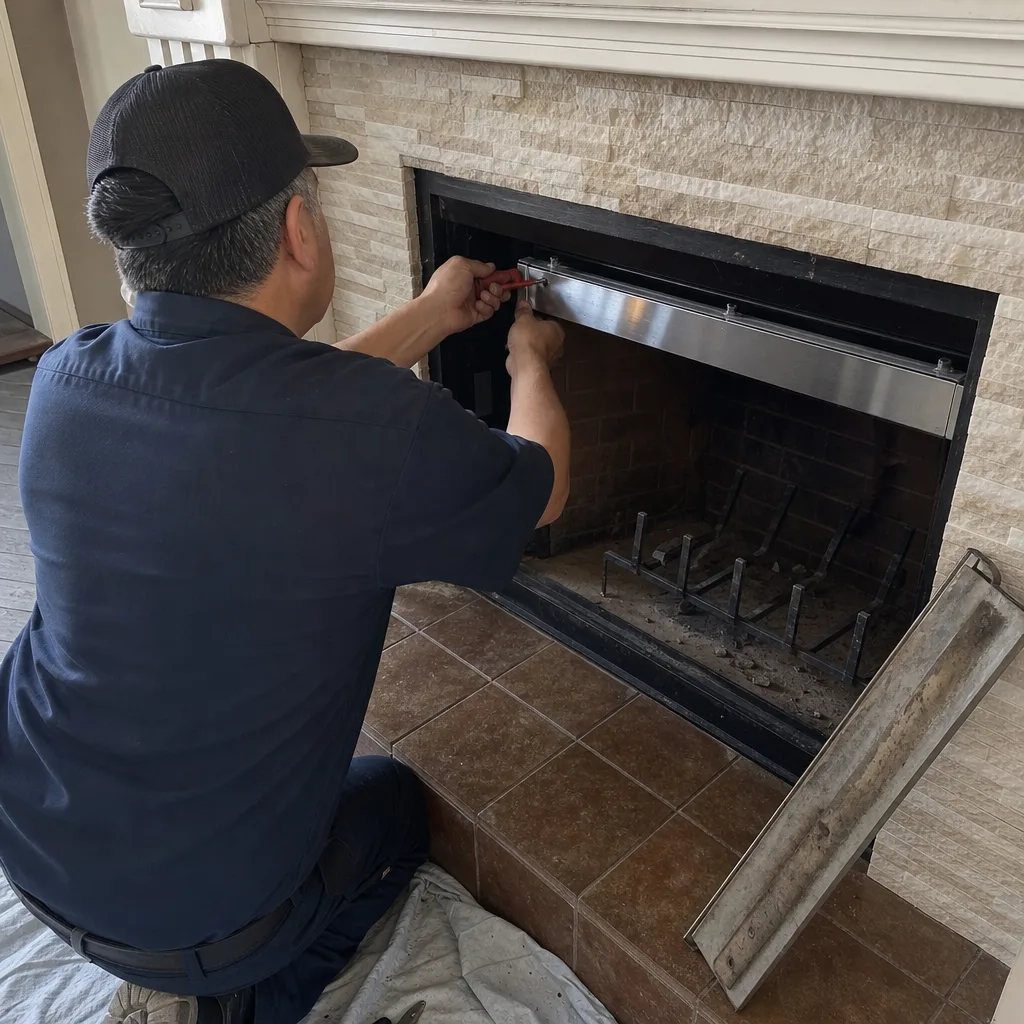
- Sweep & inspection
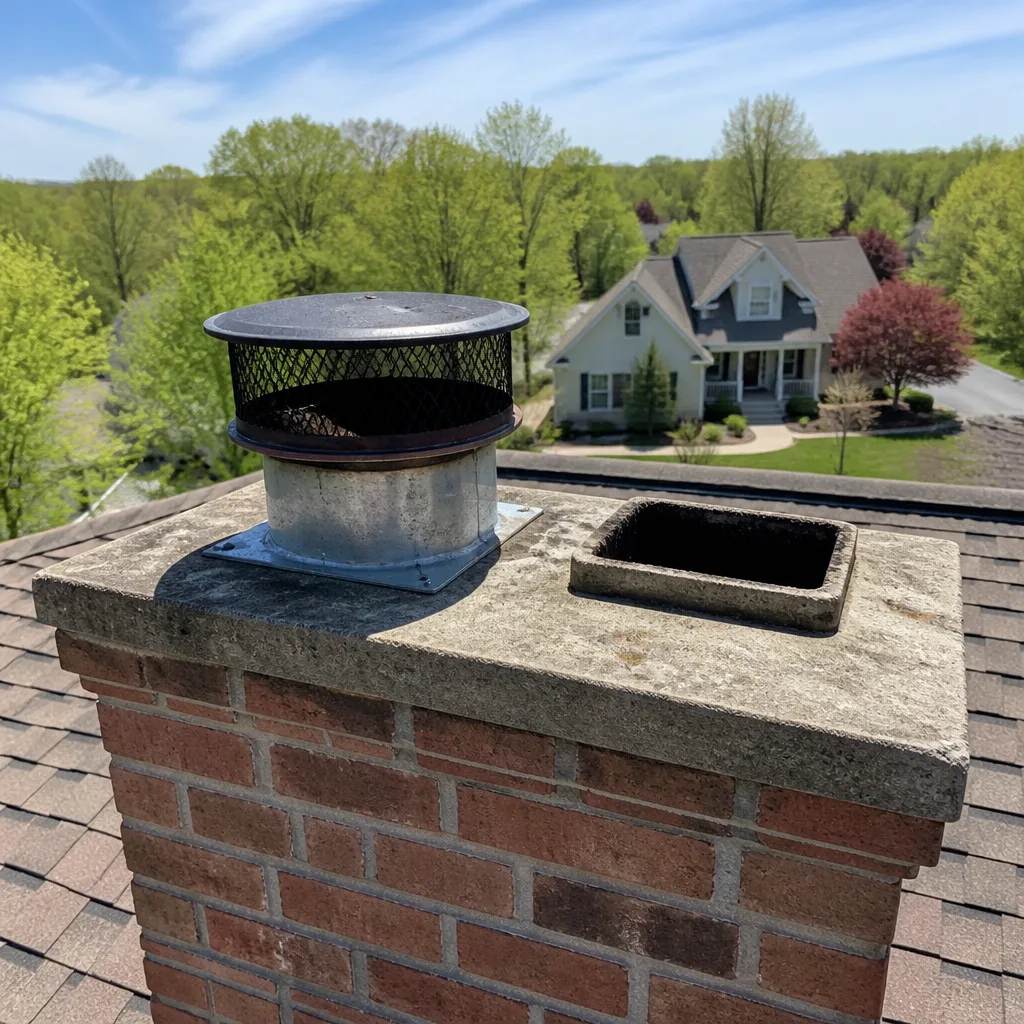
- Caps & crowns
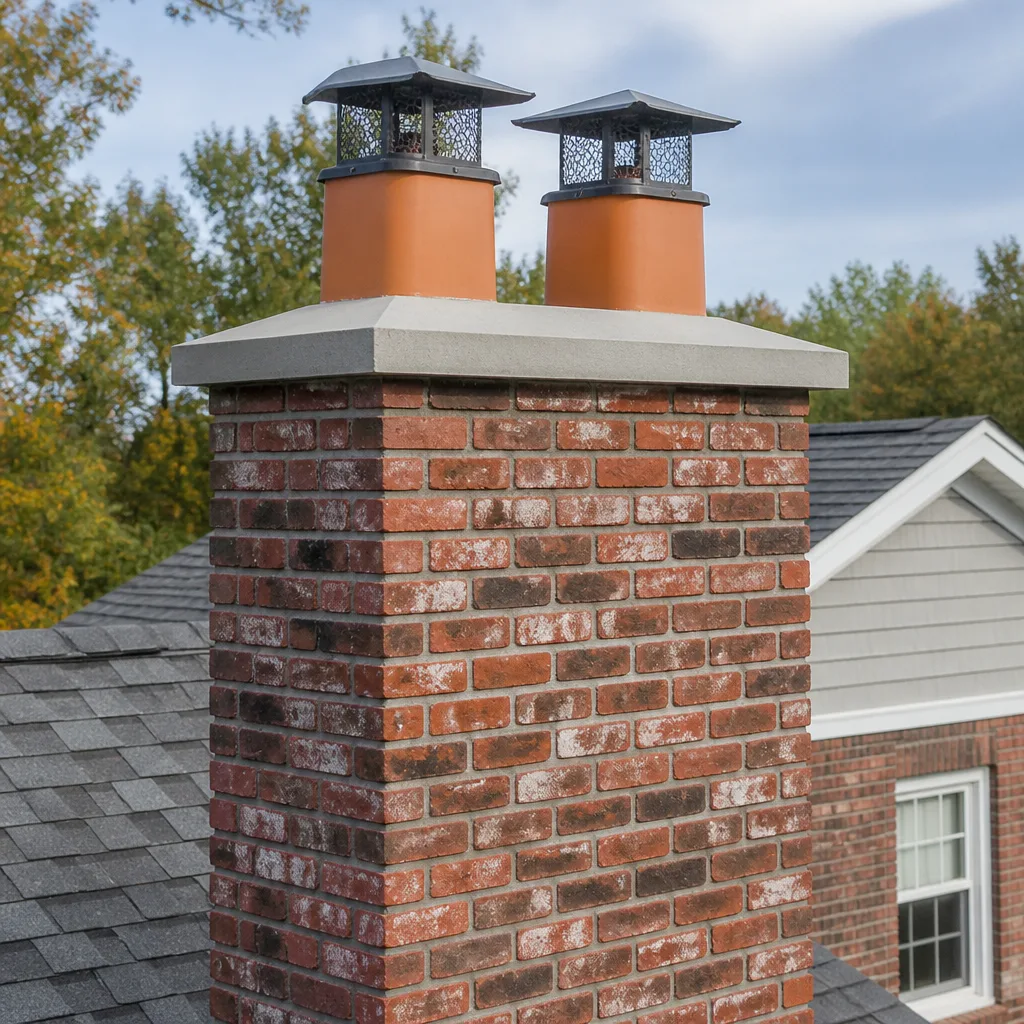
- Flue relining
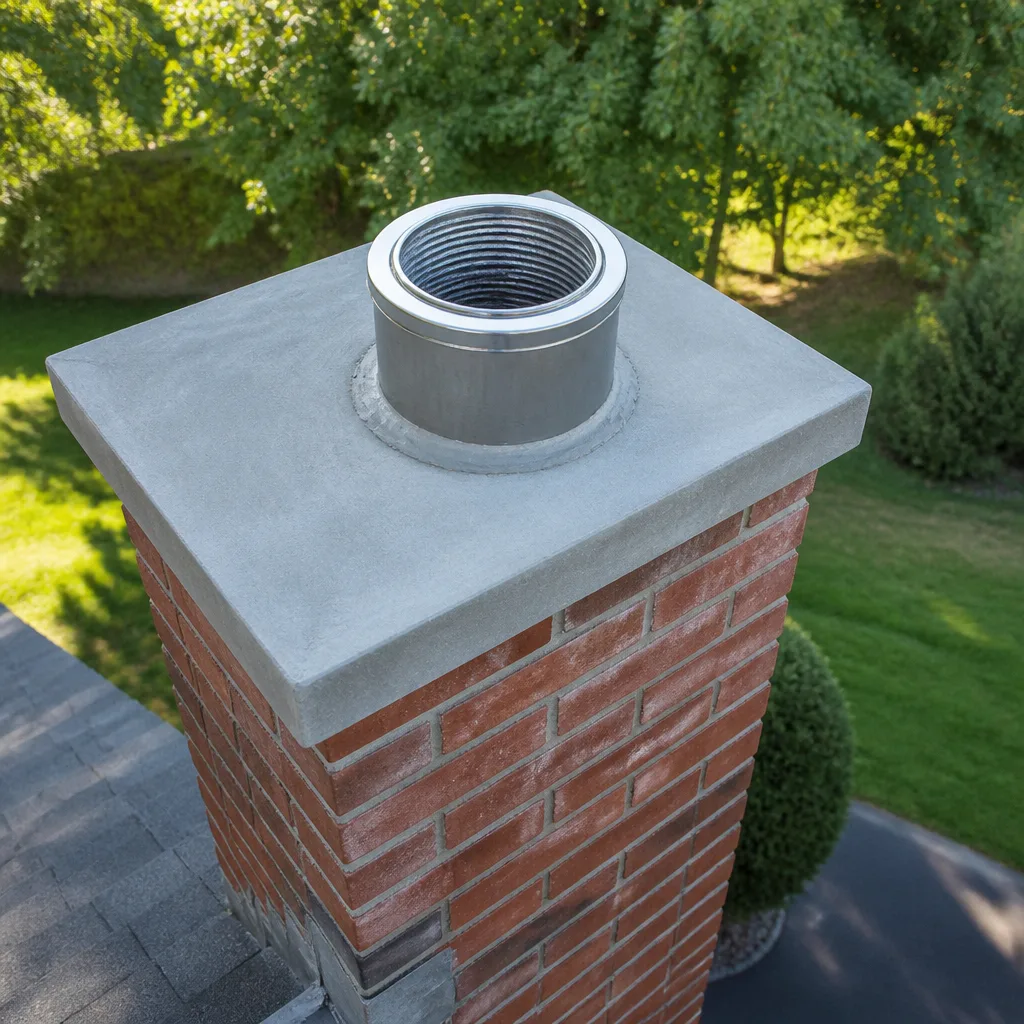
- Masonry repair
- Gas fireplace service
Table of Contents
- Where the permit line actually sits in Westminster
- California codes and UL 1777: what governs relining
- What CSIA documentation looks like and why it protects you
- How to verify a permit through Orange County’s portal
- The free-inspection-to-unpermitted-liner problem at resale
- How Westminster’s mild climate shapes chimney wear
- A step-by-step permit check before any repair
- Frequently asked questions
Where the Permit Line Actually Sits in Westminster
The dividing line between maintenance and construction is cleaner than most people expect, and it’s the single question that matters most for a Westminster homeowner scheduling a cleaning.
Cleaning and inspection are maintenance. Sweeping the flue, removing creosote and soot, running a camera down the flue, checking the damper, and documenting conditions with photos are all maintenance activities. No permit is involved, and none should be.
Repair and replacement are construction. Once the work changes the chimney system, you’re in permit territory. That covers:
- Relining the flue, whether with a flexible stainless system like DuraFlex or another approved liner
- Liner restoration using a product like HeatShield, which coats and rebuilds the interior surface
- Cap replacement when the cap is fastened to the crown or flue
- Crown repair or replacement
- Firebox and smoke chamber rebuilding
- Flashing repair where the chimney meets the roof
- Any masonry reconstruction on the stack above the roofline
Westminster sits within Orange County, and permit jurisdiction for a residential chimney depends on your specific address and how the property is recorded. Some work falls to the City of Westminster’s building division, some to the county. That’s not a detail you should have to sort out yourself – it’s the contractor’s job to know which authority has jurisdiction on your property and to pull the correct permit from the correct office.
What this means practically: when a sweep finishes and hands you a repair recommendation, the next question out of your mouth should be “does this need a permit, and will you pull it?” A straight answer takes ten seconds. A vague one tells you something.
California Codes and UL 1777: What Governs Relining Work
Any relining work done during or after a chimney cleaning in Westminster is governed by two overlapping standards: California’s building code as adopted locally, and UL 1777, the safety standard for chimney liners. The cleaning itself starts the sequence – you sweep, you inspect, and the inspection reveals whether the existing liner is sound or beyond saving.
California’s Title 24 energy code also touches chimney work in ways homeowners don’t expect. When a chimney is altered as part of a larger renovation, or when a gas appliance venting arrangement changes, the energy code and the mechanical code can both come into play. For a straightforward cleaning and inspection, none of this applies. For a reline tied to a fireplace insert installation or a heating system change, it can.
UL 1777 matters because it’s the standard that separates a real liner from a length of flexible tube. A properly listed liner system carries the UL 1777 marking, is sized to the appliance, and is installed per the manufacturer’s instructions. Products like DuraFlex flexible liners and HeatShield restoration systems are specified in the trade because they meet the standard and hold up over time – not because they’re the cheapest option on a shelf. When we name the brands going into your chimney, it’s so you can verify what the inspector will see.
The practical test: ask for the liner manufacturer and model before work begins. A contractor who can name it and show you the listing has done the homework. One who says “it’s a good liner” hasn’t.
What CSIA Documentation Looks Like and Why It Protects You
A CSIA-standard inspection produces a written report, and that report becomes the paper trail that protects you at resale, at insurance renewal, and any time a future contractor asks what’s been done to the chimney. Documentation isn’t a formality – it’s the difference between a chimney with a history and one with a mystery.
Here’s what a proper report should include:
- Inspection level stated. Level 1 for a routine annual check, Level 2 when a sale, appliance change, or known problem triggers it, Level 3 when a specific hazard needs investigation. The level should be named on the document.
- Photos of the flue interior. A camera run through the flue captures joint condition, creosote levels, cracks, and any gap in the liner.
- Condition findings by component. Firebox, damper, smoke chamber, flue, crown, cap, flashing – each called out with its condition noted.
- Recommendations separated from requirements. “This needs fixing now” and “this can wait a season” are different categories and shouldn’t be blurred.
- Repair scope if work is recommended. What will be replaced, with what product, and whether the work requires a permit.
Those photos and pages are worth keeping. If you sell a Westminster home in five years and the buyer’s inspector asks about the liner, a dated written report answers the question. A verbal “the sweep said it was fine” does not.
In our experience, the homeowners who get into trouble at resale are rarely the ones who skipped maintenance entirely. They’re the ones who had work done but never received anything in writing. A chimney sweep that doesn’t produce a report is only half a sweep.
How to Verify a Permit Through Orange County’s Portal
You can check whether a permit exists for work on your address, and you should. Orange County and the City of Westminster both maintain online permit portals where a homeowner can search by address or by permit number. It takes a few minutes and it’s the single best protection against unpermitted work being done under your name.
Here’s the sequence most homeowners find useful:
- Ask the contractor for the permit number before work starts. Not a promise to pull one – the number. A permit is pulled before the work begins, not after.
- Search the portal by your address. The permit should appear with the work description matching what you’ve been told will be done.
- Confirm the scope. If the permit reads “masonry repair” but the work is a full reline, the description doesn’t match the job.
- Check the contractor name on the permit. The name should match the company doing the work, not a subcontractor you’ve never heard of.
- Request the final inspection paperwork after work finishes. A closed permit with an inspection record is proof the work was seen by a municipal inspector.
If a contractor resists giving you a permit number for permit-required work, that’s your answer. Legitimate work is documented work, and nobody who pulls permits for a living is annoyed at being asked for the number.
If your chimney needs structural work beyond a cleaning – a rebuild, a crown replacement, a firebox repair – a chimney repair scope should state the permit position up front. We write it into the estimate so you can verify it before you sign.
The Free-Inspection-to-Unpermitted-Liner Problem at Resale
This is the scenario that trips up homeowners most often, and it almost always starts with something that sounds like a favor: a free inspection that leads to a handshake liner repair done the same afternoon.
Here’s how it plays out. The inspection reveals a cracked or corroded liner. The contractor offers to fix it on the spot for a price that seems reasonable, and because the fireplace is open and the sweep is already there, the work happens. Money changes hands. A receipt gets written. Nobody pulls a permit, nobody photographs the liner installation, and nothing enters the building record.
Five or six years later, a Westminster home goes on the market. The buyer’s home inspector runs a camera down the flue, sees a liner that looks newer than the rest of the chimney, and asks for documentation. There isn’t any. The building department has no permit on file, which means the installation was never inspected. Now the deal is either delayed while a new inspection happens, negotiated down, or the seller pays for a second reline to satisfy the buyer. The free inspection ended up costing more than the permit would have.
The fix is simple and it costs nothing to apply: for any work beyond cleaning, ask for a permit number and a written report before the work begins. The Chimney Sweep Westminster Pros approach is to quote the cleaning and the inspection as maintenance, then quote any repair as a separate scope with the permit position spelled out. That way the homeowner sees exactly where the maintenance line ends and construction begins, and can decide with full information. That’s what a fireplace repair quote should look like in Westminster and everywhere else.
How Westminster’s Mild Climate Shapes Chimney Wear
Westminster winters are mild, which is good news for the roof and less good news for the chimney in one specific way: a mild climate means less frequent burning for many households, and that changes the wear pattern.
Houses that burn a few times a year build creosote slowly and often unevenly. The fire never gets hot enough or long enough to burn off light deposits, so glazed creosote can form over several seasons in a thin layer that a quick visual check misses. That’s why a camera inspection matters more here than in a cold-climate market where every chimney sees heavy seasonal use and problems surface fast.
The other local factor is roof moisture. Westminster gets winter rain, and a chimney cap that’s failed or a crown with a hairline crack lets water into the masonry over a slow accumulation of wet seasons. The interior damage that follows – spalling in the firebox, corrosion on the damper, a rusted liner – is often what triggers the repair recommendation after a cleaning. Caps and crowns catch most of this before it reaches the flue, which is why we treat them as prevention rather than add-ons.
Neither issue is dramatic. Both are cumulative, and both show up in the inspection documentation if the sweep is doing the job properly.
A Step-by-Step Permit Check Before Any Repair
Use this sequence any time a sweep recommends work beyond a cleaning. It’s built for Westminster homeowners and works for any city in Orange County.
- Confirm which body has jurisdiction on your address. City of Westminster building division or Orange County. Ask the contractor which one applies and why.
- Get the permit position in writing. The estimate should state whether a permit is required for the specific work recommended.
- Review the scope against the standard. If the work is a reline, confirm the liner system meets UL 1777 and ask for the manufacturer and model.
- Wait for the permit number before any work begins. A permit that gets pulled after the fact is a problem, not a solution.
- Verify the permit on the portal. Search by address, confirm the scope and the contractor name match what you were told.
- Request the inspection record when work is closed out. A finaled permit with an inspection is the document you’ll want at resale.
- File the report and the permit together. Keep the inspection report and permit paperwork in the same folder as your home records.
That sequence takes maybe thirty minutes of your time across the whole job, and it’s the cheapest insurance a chimney owner has.
Common Mistakes to Avoid
- Assuming the sweep will handle the permit if one is needed. Not every company pulls permits for repair work, and some avoid it deliberately. Ask the question before the work is quoted, not after it’s finished.
- Accepting a verbal “it’s been taken care of” on permit status. A permit is a number you can look up. Anything short of that number in writing is a handshake, and a handshake doesn’t appear in the building record.
- Skipping the written inspection report to save a few minutes. The report is what protects you at resale, at insurance renewal, and if a future contractor asks what’s been done. No report means no history.
- Letting a liner repair happen on the same visit as a free inspection without a separate written scope. Maintenance and construction should be quoted separately so you can see where the line is.
- Not checking what product the repair used. A liner is a specific product with a specific listing. If the invoice says “liner installed” and nothing else, ask which one and get it in writing.
- Ignoring the cap and crown because the flue looked fine. Water intrusion starts at the top and works down. A failed cap is the most common entry point for the moisture damage that eventually forces a repair.
- Treating a Westminster sale as too far off to worry about documentation. Even a distant sale gets easier when the permit trail is clean. Paperwork done now is paperwork you don’t have to chase later.
See the difference
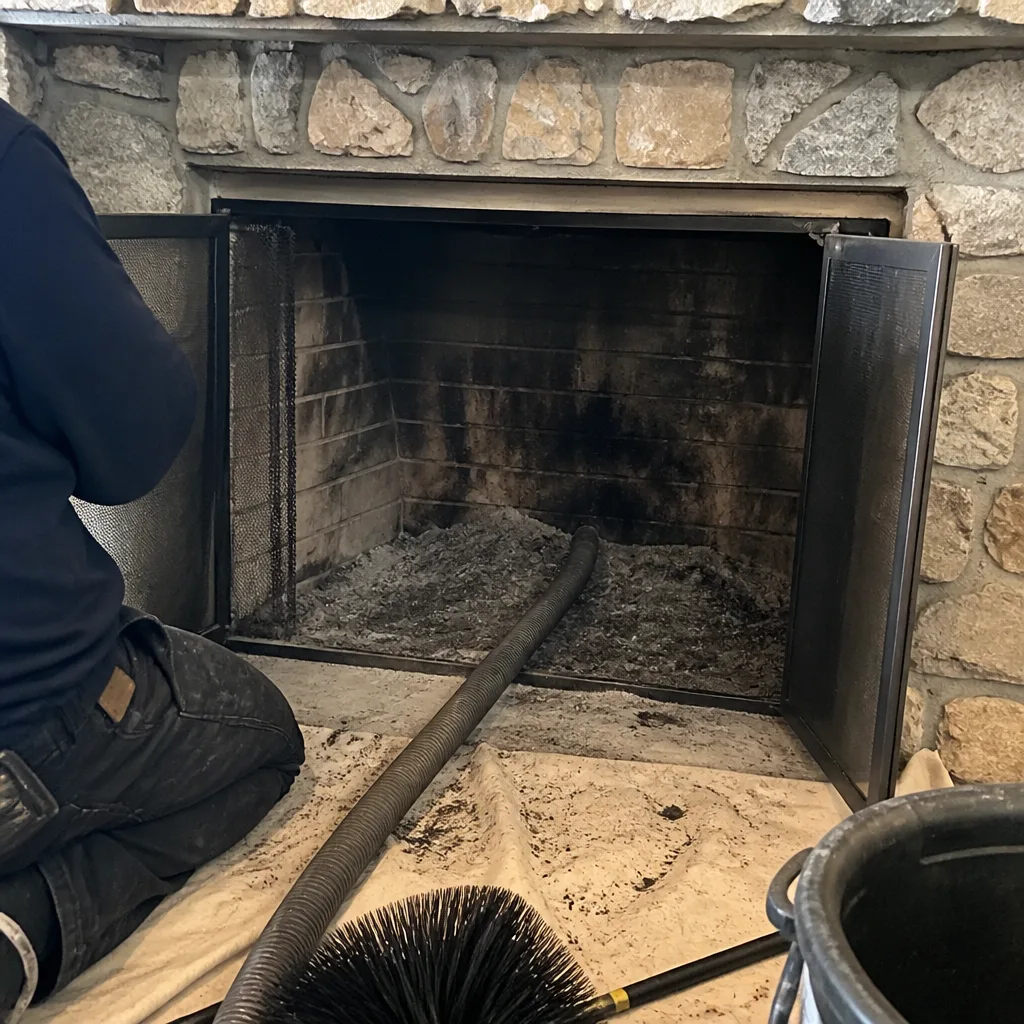 Before
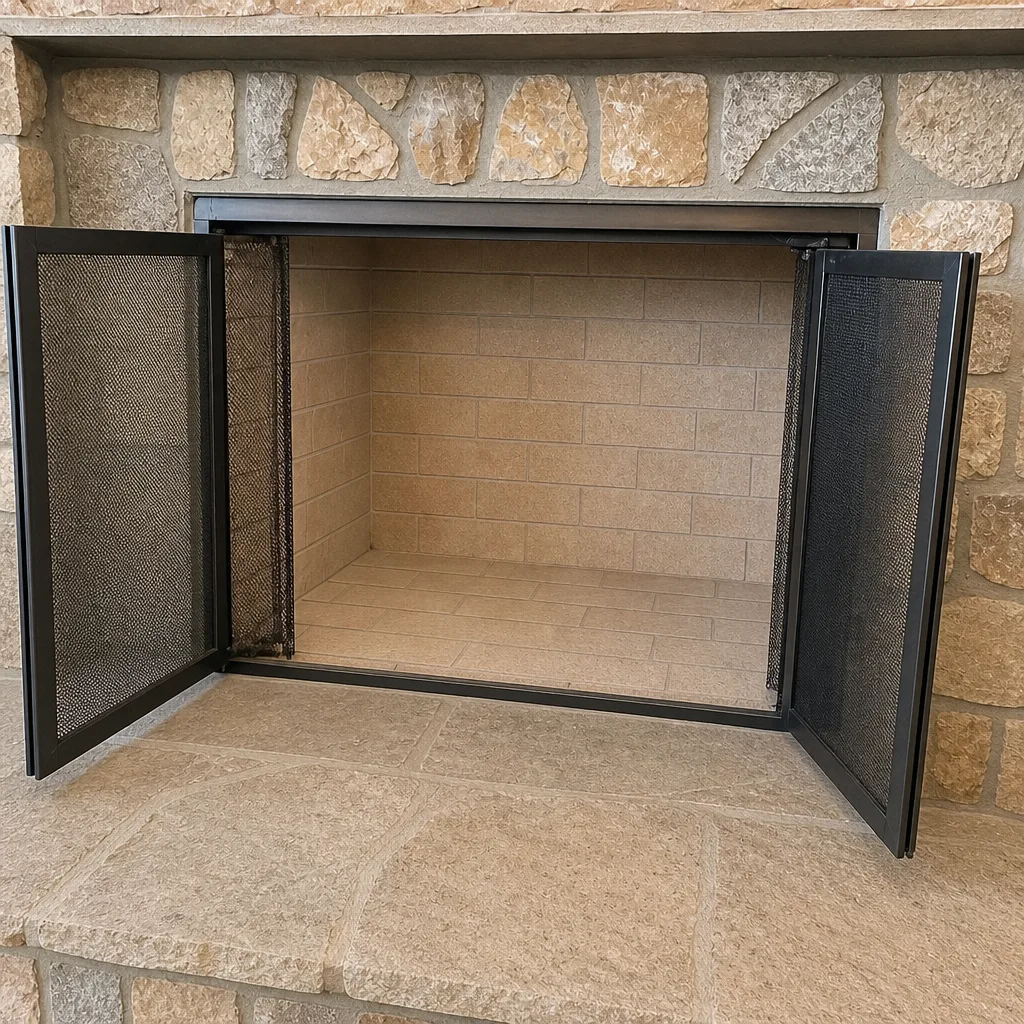 After
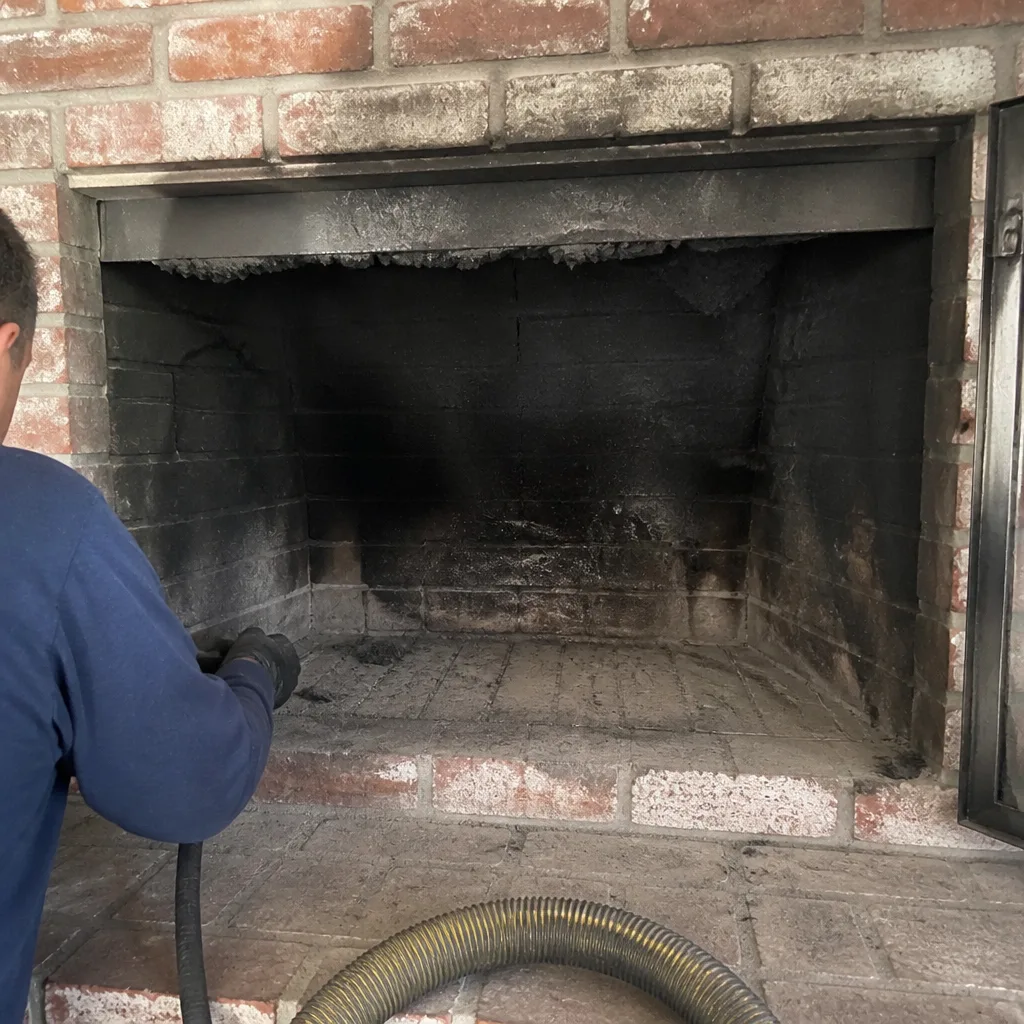 Before
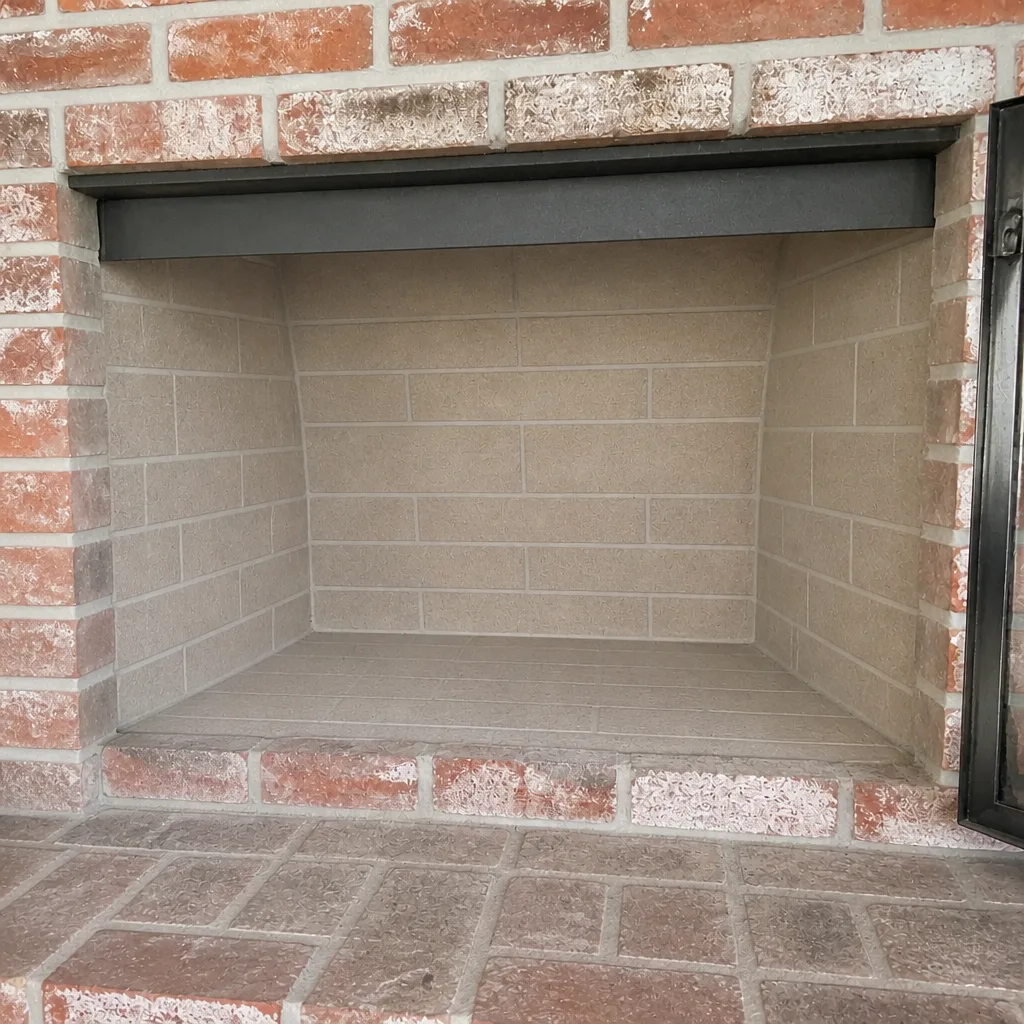 After
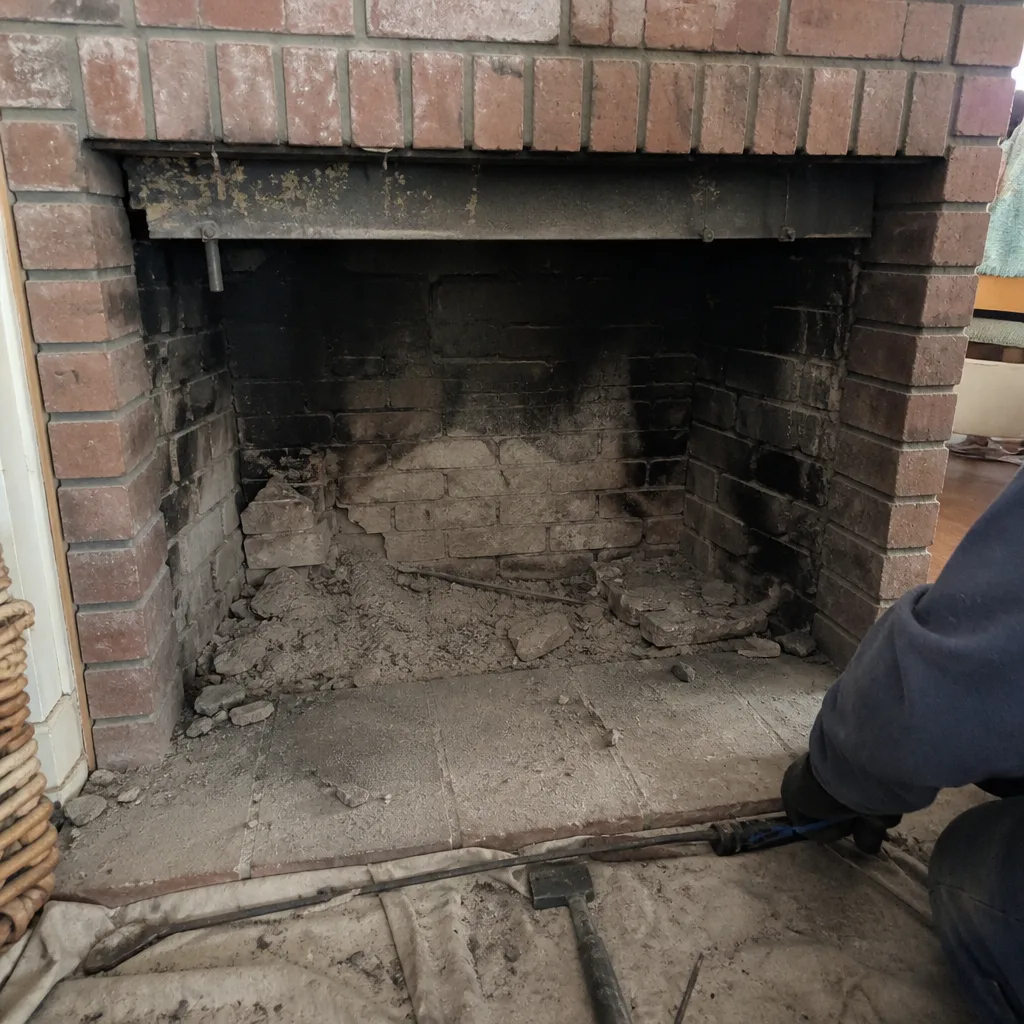 Before
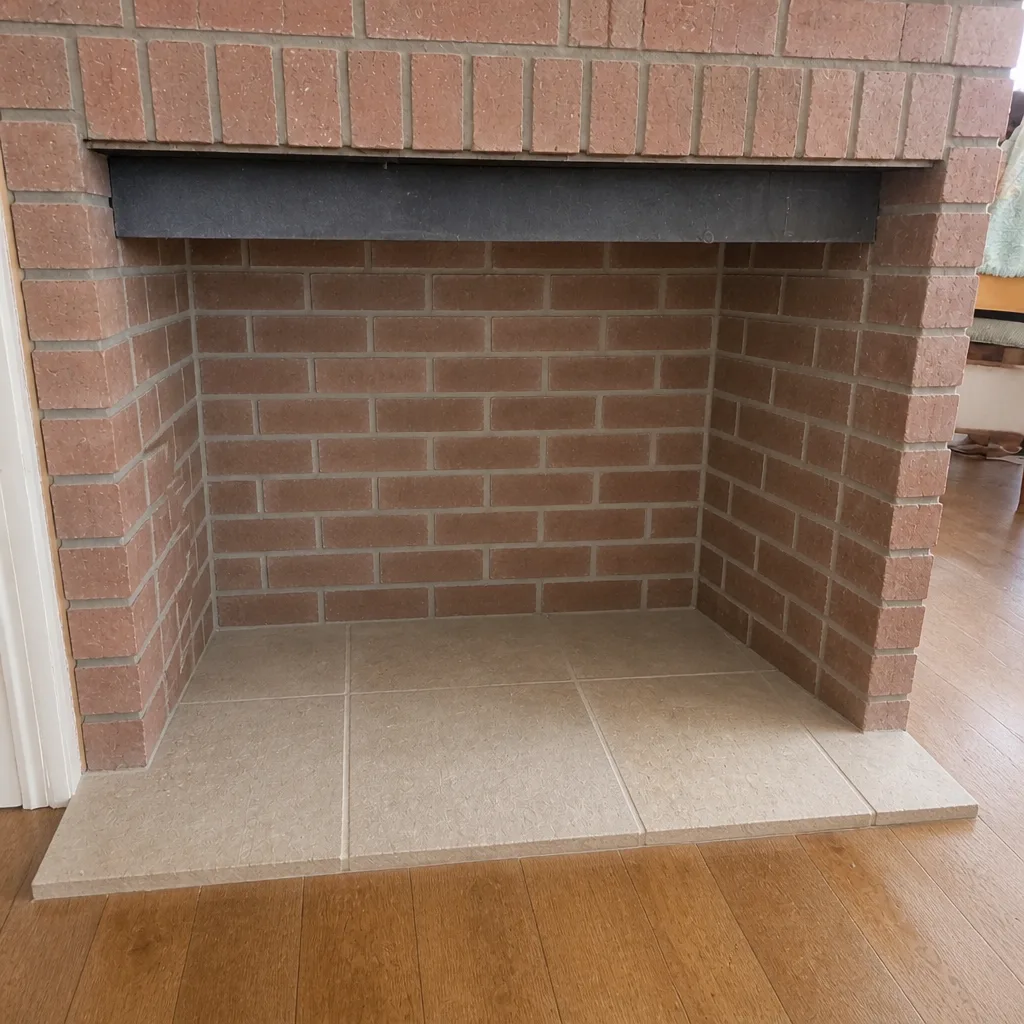 After
When to Call a Professional
Call a professional any time you’re considering repair work on a Westminster chimney and you’re not sure where the permit line sits, because most of the risk lands on the homeowner, not the contractor. Call when a sweep recommends a liner, cap, crown, or firebox repair and no written scope with a permit position is offered. Call when you’ve had work done in the past and have no paperwork to show for it. Call when you’re preparing to sell and the building record doesn’t match what you know has been done. And call when your annual cleaning is overdue and no inspection report has been produced in the past twelve months. Chimney Sweep Westminster Pros offers free estimates in Westminster – call (833) 482-6197.
Frequently Asked Questions
No. Chimney sweeping and the inspection that follows are maintenance activities and don’t require a permit in Westminster. The permit question only arises when the work changes the chimney system – relining, cap work, crown work, firebox rebuilding, or flashing repair. If a sweep recommends any of those after a cleaning, the estimate should state the permit position before work begins. Call (833) 482-6197 for an exact quote on the maintenance side – estimates are free.
Yes, in most cases. A reline is construction work that alters the chimney system, and it typically requires a permit from the City of Westminster or Orange County depending on your jurisdiction. The permit matters at resale, because a buyer’s home inspector will look for evidence that liner work was done under permit and inspected. Unpermitted liner work is one of the most common reasons a sale stalls or a seller pays for a second reline. Call (833) 482-6197 to talk through the permit position for your specific address.
UL 1777 is the safety standard for chimney liners in the United States. A liner that carries the UL 1777 listing has been tested to a recognized standard for heat resistance, structural integrity, and installation requirements. When a contractor relines a chimney with a product like a DuraFlex flexible liner or restores one with a HeatShield system, the product should be listed to that standard and sized correctly for the appliance it serves. Ask for the manufacturer and model before work begins and check it against the listing. Call (833) 482-6197 if you’d like to know what a specific liner scope should include.
Once a year for a wood-burning fireplace that sees regular use, and once a year regardless if you burn occasionally, because annual inspection catches problems the burning pattern doesn’t. Westminster’s mild climate means many households burn lightly across a longer season, and that pattern can build glazed creosote in thin layers that a quick visual check misses. A camera inspection sees what the eye can’t. Call (833) 482-6197 for a scheduling estimate – it’s free.
Search the Orange County or City of Westminster permit portal by your street address. Any permit pulled for work on your property should appear with a work description and the contractor’s name. If your address shows no permit for work you believe was done, that’s worth a call to the building department and a call to a contractor who documents their work. Call (833) 482-6197 if you need help reading what the record shows.
You get a clean flue and an incomplete picture. A sweep removes creosote and soot, but without the inspection portion of the visit, nobody has looked at the crown, the cap, the firebox, the damper, or the liner joints. Those are the components that fail slowly and quietly and turn into repair work. Skipping the inspection saves a small amount of time and trades it for a larger unknown. Call (833) 482-6197 for an exact quote on a combined sweep and inspection – estimates are free.
The Bottom Line
Cleaning a chimney in Westminster needs no permit. Touching it does. The line between the two is clearer than most homeowners expect, and it’s the contractor’s job to state the permit position clearly, in writing, before any repair work begins. UL 1777 governs the liner. CSIA-standard documentation protects you at resale. The Orange County permit portal lets you verify the work yourself. And a free inspection that turns into an unpermitted liner on the same visit is a favor worth declining. Ask for a permit number, keep the report, and file both with your home records. That’s the whole discipline, and it costs nothing. Call (833) 482-6197 for a free estimate. We answer 24/7. Fast dispatch from 7am to 7pm, Sunday through Friday.
Written by the team at Chimney Sweep Westminster Pros.