
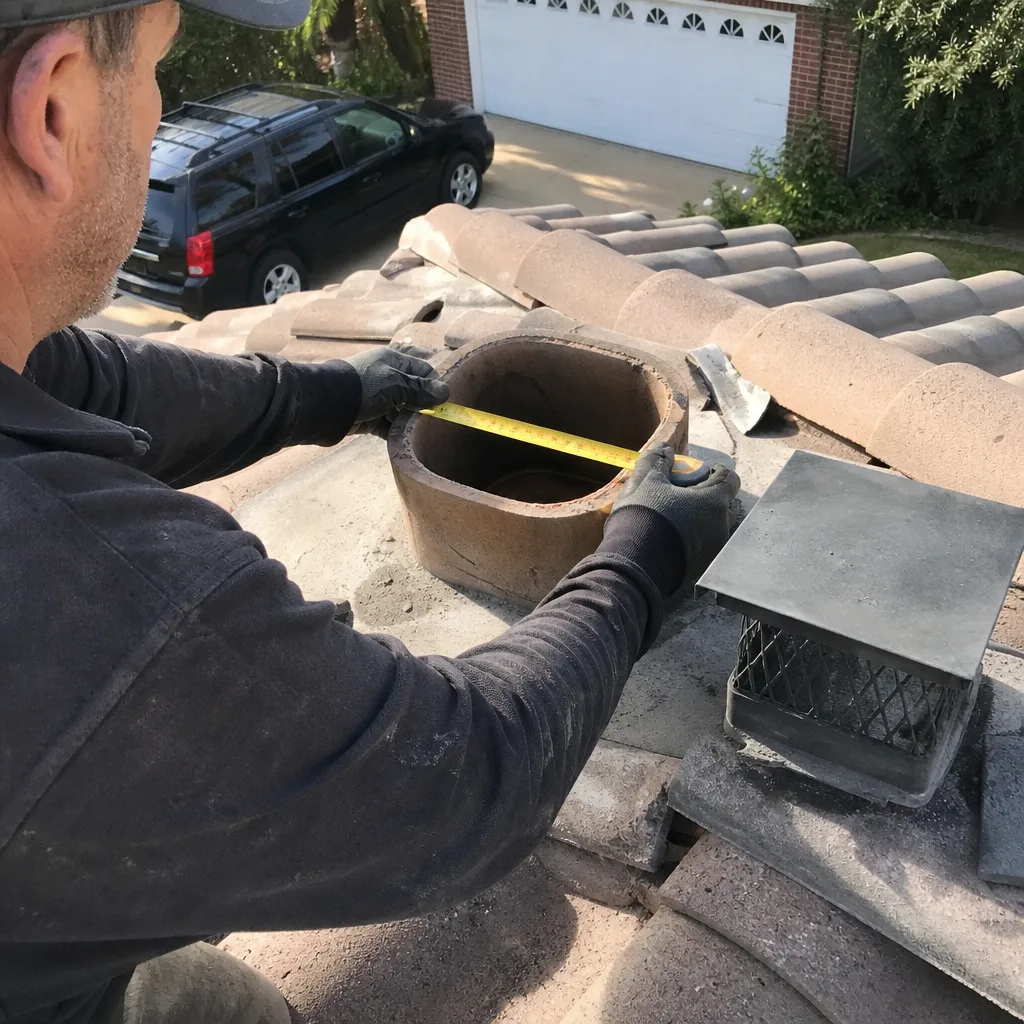
Last updated November 25, 2026
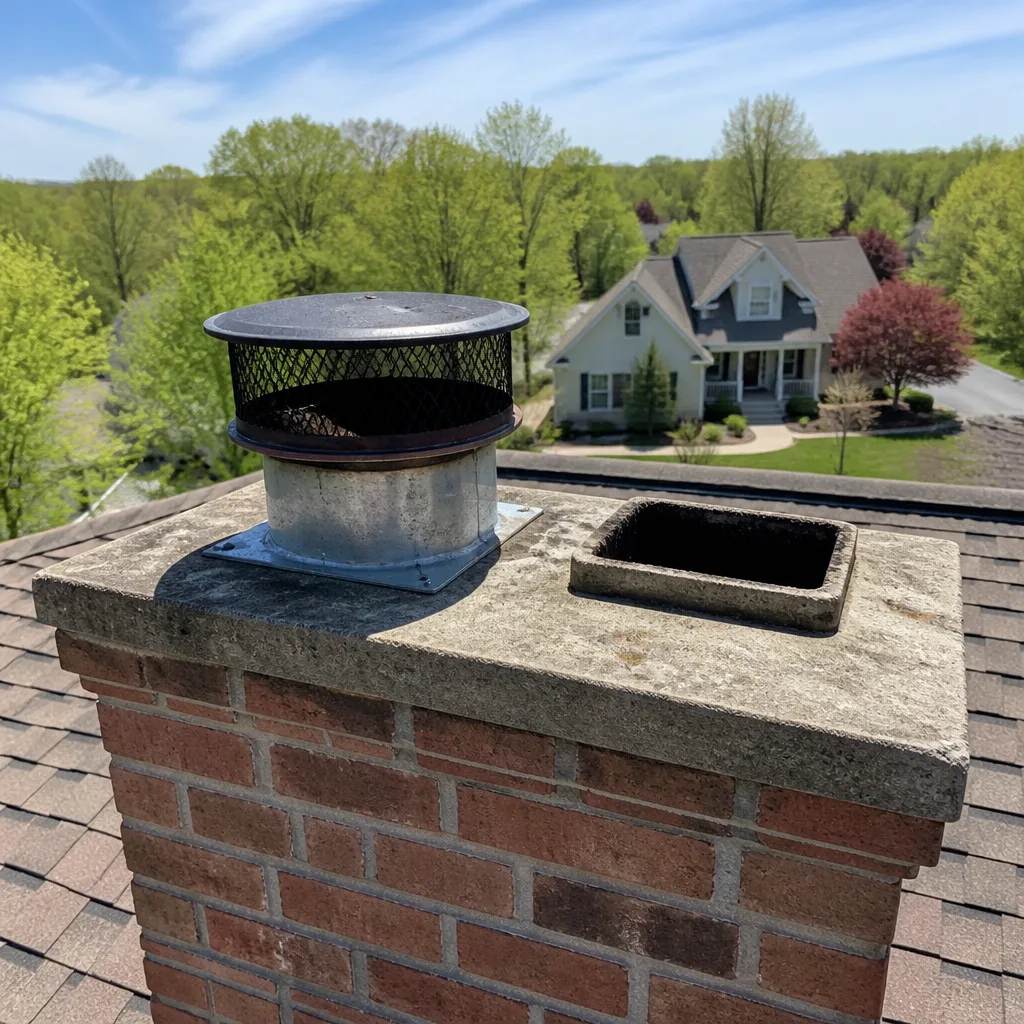 Sweep & inspection
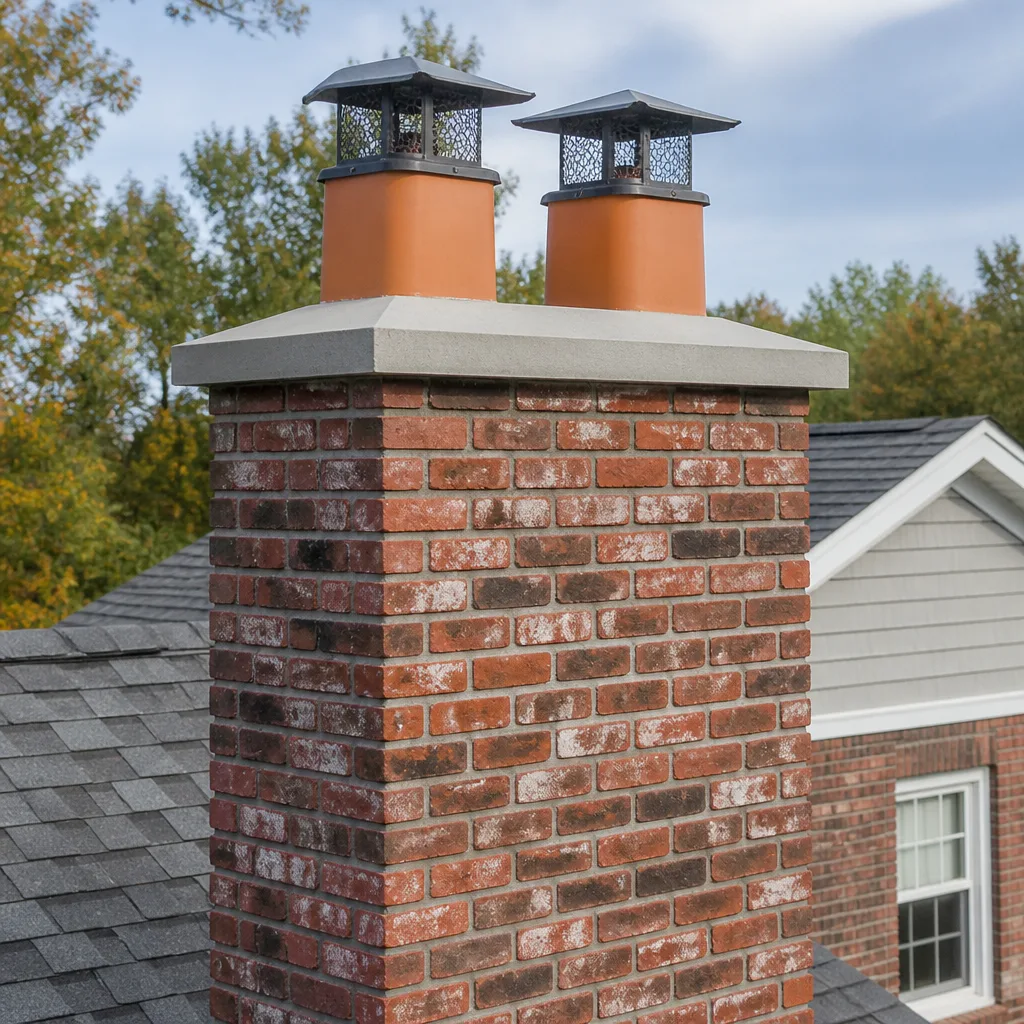 Caps & crowns
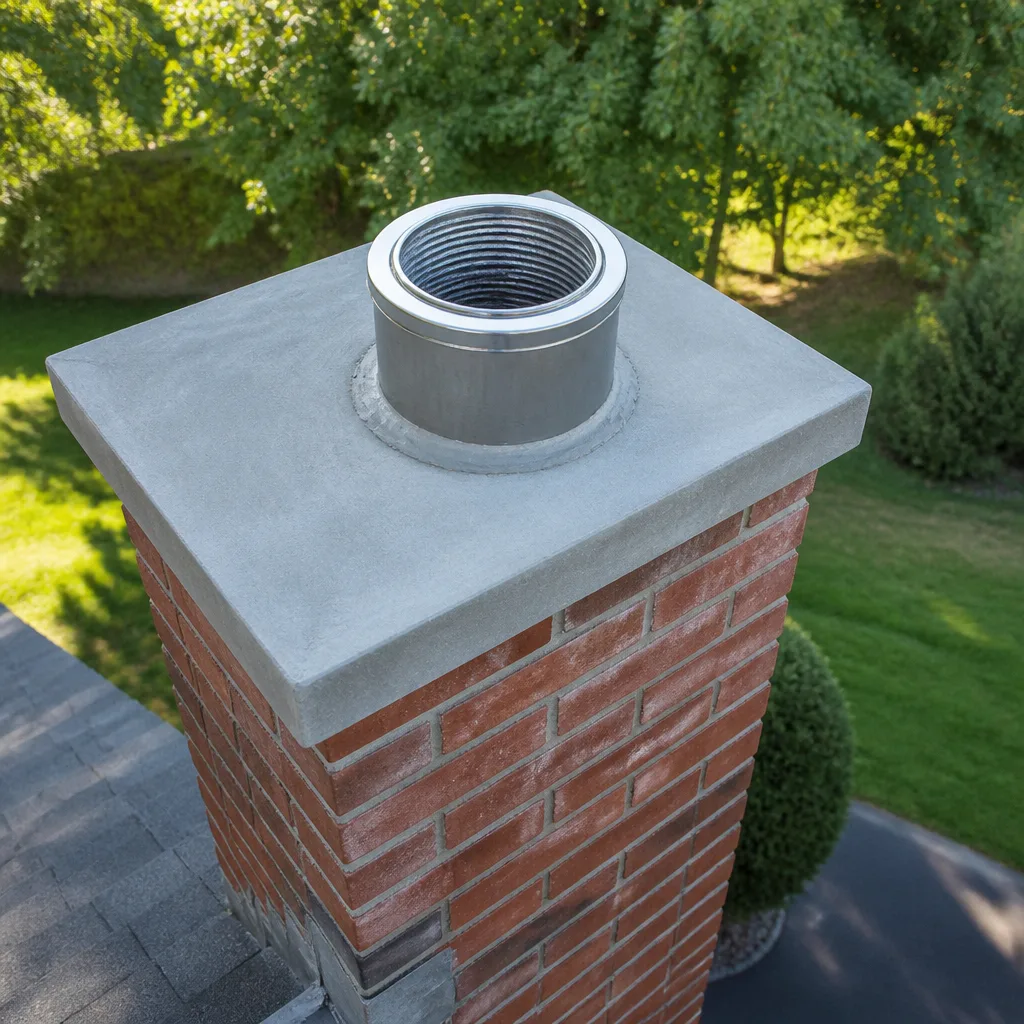 Flue relining
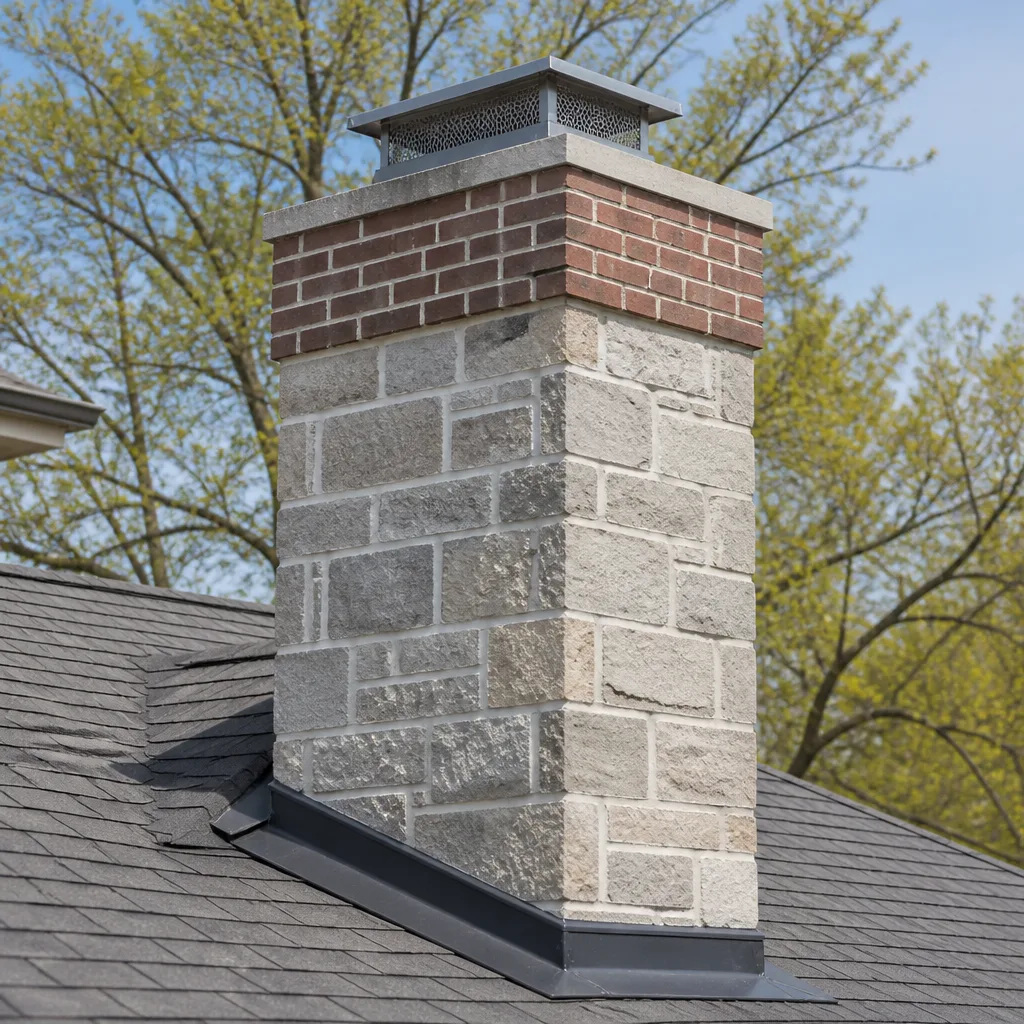 Masonry repair
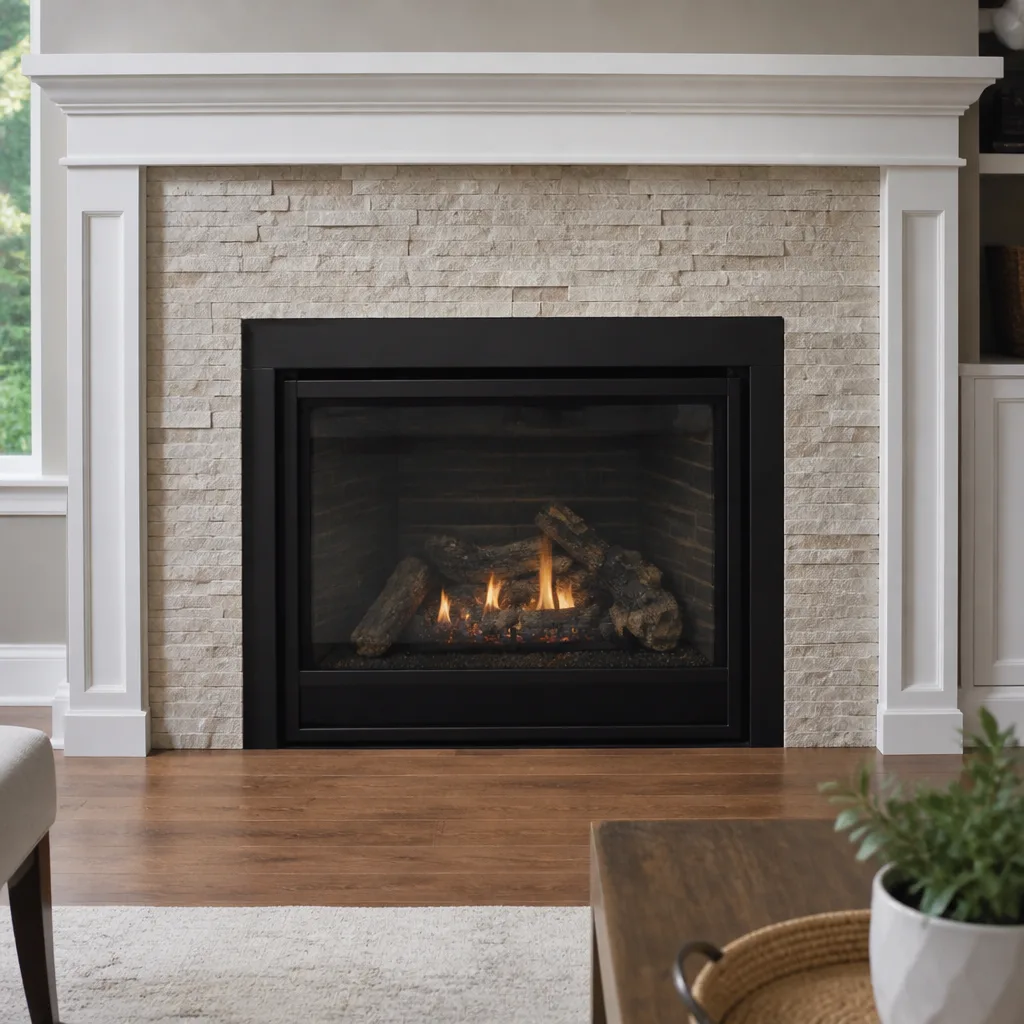 Gas fireplace service
Level 1 sweep and inspection to the NFPA 211 annual standard - flue, crown, cap, and flashing checked and photographed
Chimney sweep logs do not sweep chimneys. They loosen some creosote - which then falls where a brush and vacuum still have to collect it.
Chimney Cleaning Warning Signs: A Westminster Homeowner’s Reference Guide
Here’s a distinction that matters more than most chimney advice lets on: a smoky smell after a rainstorm isn’t a cleaning problem. It’s a draft and moisture problem. Homeowners in Westminster tend to lump every chimney symptom into one bucket labeled “needs a sweep,” then either panic over a fix that’s simpler than they feared or dismiss a structural warning that’s already begun. The two are far apart, and the difference lives in the details of what you’re actually seeing and smelling. This guide teaches you to read those signals accurately, map each symptom to its likely cause, and know which ones mean “schedule a visit soon” versus “stop using the fireplace until someone qualified looks at it.”
Quick Answer
The most reliable warning signs that a chimney needs cleaning or inspection are a strong smoky or acrid odor that lingers even when the fireplace is cold, visible dark staining around the firebox or on the exterior chase, white powdery stains on exterior brick (efflorescence), smoke rolling back into the room instead of up the flue, and a damper that’s stiff or hard to operate. Odor or smell alone points to creosote buildup or moisture; visible staining and efflorescence point to structural or water intrusion issues; smoke rollback points to draft failure. Match the symptom before you call, and you’ll describe the problem accurately and avoid paying for the wrong service.
Styles & brands we work with
- Sweep & inspection
- Caps & crowns
- Flue relining
- Masonry repair
- Gas fireplace service
Table of Contents
- Why Warning Signs Come Before Problems
- The Symptom-to-Cause Matrix: Reading What Your Chimney Is Telling You
- Why White Staining on the Exterior Is a Structural Warning, Not Cosmetic
- Creosote Smell vs. Mildew Smell: Two Different Problems, Two Different Fixes
- How Westminster’s Marine Layer Changes What You’re Watching For
- Schedule Soon vs. Stop Using It: A Clear Urgency Framework
- Inspection vs. Sweep: Which Do You Actually Need?
- When to Call a Professional
Why Warning Signs Come Before Problems
A chimney fails gradually, not suddenly. Long before a flue becomes a real hazard, it sends out signals: changes in smell, changes in draft, changes in how the firebox looks after a burn, changes on the outside of the house that most homeowners walk right past. The trick is that those signals are subtle, and they don’t come with a label telling you which one is urgent and which one can wait until next month.
That ambiguity is where most homeowners in Westminster get stuck. Without a mental map of what each symptom means, it’s tempting to either ignore everything or call a sweep for the wrong reason. A stiff damper gets treated like a fire hazard. A smoky smell after rain gets treated as creosote. Efflorescence gets scrubbed off and forgotten. None of those reactions matches what the chimney is actually telling you.
This guide is built on one premise: most of the reliable early warning signs happen inside your house, where you live and breathe them daily, and they’re readable long before a professional steps onto the property. That’s good news. It means you don’t have to wait for an annual inspection to know something’s off. You have to know what you’re looking at.
A quick word on what “cleaning warning signs” really covers. True cleaning signs, meaning the flue is loaded with creosote or soot, are narrower than most people assume. The broader category of warning signs includes moisture, draft, and structural issues that a sweep alone won’t fix. If you find you’re calling for a chimney sweep every time any symptom appears, some of those visits are likely solving the wrong problem. Getting the symptom right is what keeps the service and the diagnosis matched.
Our technicians have up to 13 years of experience reading these signals, and the pattern they see again and again is a homeowner who described the problem one way when they called and a very different way once someone looked closely. Precision in describing what you’re seeing is worth as much as a clean flue.
The Symptom-to-Cause Matrix: Reading What Your Chimney Is Telling You
Use this matrix as your first-pass diagnostic. Find your symptom, read the likely cause, then check the intervention column. Nothing here replaces an inspection, but it tells you what kind of problem you’re probably facing so you can describe it accurately when you call.
Odor Signals
- Strong, tarry, or acrid smell even when the fireplace is cold – points to creosote buildup on the flue walls. Smoke condensate glazes over and holds odor. This is a cleaning issue, and a sweep is the fix.
- Earthy, musty, or “basement” smell – points to moisture intrusion, not creosote. Water is getting in somewhere (a failing cap, a cracked crown, a gap in the flashing) and feeding mildew inside the chase. A sweep won’t solve this. It needs a moisture source located and sealed.
- Smoky smell that appears specifically after rain – points to a draft and moisture problem, often a cap that’s no longer doing its job or a crown that’s allowing water into the top of the chase. The moisture changes the pressure and airflow dynamics, and the smell travels down the flue.
- Sharp, chemical smell when the fireplace is in use – points to backdraft or combustion byproduct flowing into the room instead of up. Treat this as a “don’t use it until inspected” condition.
Visual Signals
- Dark streaks or staining above the fireplace or around the firebox – a draft issue causing smoke to escape its intended path, or a creosote-condensation issue. Depends on whether it appears during use or after rain.
- White powdery staining on exterior brick or mortar – efflorescence, and a structural moisture warning. More on this below.
- Soot flakes falling into the firebox – typically points to a flue that’s overdue for a sweep or a cap that’s degrading.
- Cracked or crumbling brick or mortar at the crown – structural, and the entry point for most water intrusion.
Performance Signals
- Smoke rolling back into the room when you light a fire – classic draft failure. Could be a blocked flue, a flue that’s sized wrong for the firebox, a cold exterior flue that hasn’t warmed yet, or a stack effect problem in the house.
- A damper that’s stiff or hard to move – usually a buildup of soot or rust on the damper mechanism, but stiffness can also indicate a damper sitting slightly open (letting conditioned air out and moisture in) or the start of a mechanical failure.
- Poor draft on mild days, better draft on cold days – a sign the flue is relying on outdoor temperature to drive airflow, which points to a stack effect issue rather than a cleaning issue.
The key insight: odor and soot point toward cleaning, staining and cracks point toward repair, and performance issues point toward draft and design. Getting that first category right saves you money. For anything in the structural column, our chimney repair team is the right starting point, because a sweep alone won’t fix a cracked crown or a moisture-damaged chase.
Why White Staining on the Exterior Is a Structural Warning, Not Cosmetic
Efflorescence is the chalky white deposit you see on exterior brick, mortar, and sometimes on the interior chase wall. It looks like a stain, and the natural instinct is to clean it off and move on. That’s the wrong response, and here’s why.
Efflorescence is dissolved salts that water has pulled out of the masonry and deposited on the surface as it evaporated. The salts themselves are harmless. Their presence is not. White staining means moisture has moved through the brick, which means some path exists for water to get in. It may be a failing mortar joint, a gap around the flashing, a cracked crown at the top of the chase, or a cap that’s no longer shedding water properly. Efflorescence shows you the moisture is already deep enough inside the wall to be carrying salts with it.
If you clean the stain off and don’t address the moisture source, the problem doesn’t go away. It continues to work through the masonry from the inside, and eventually the mortar joint fails, the brick spalls, and the chase structure is compromised. The repair at that point is significantly larger than a crown or cap replacement would have been.
In our experience, efflorescence is the single most-missed structural warning on a Westminster chimney. Homeowners see white, assume it’s weather-related buildup, and don’t mention it when they schedule a sweep. Here’s what we recommend instead:
- Look at your exterior brick after a few dry days, not immediately after rain. Fresh efflorescence can wash off; persistent white staining that survives dry weather is the one to act on.
- Photograph it. A before/after photo across a few weeks tells you if it’s progressing.
- Check whether the staining is concentrated near the crown, around the flashing at the roofline, or at the base of the chase. That location tells you where the moisture is likely entering.
- Schedule a chimney inspection that includes a look at the crown and cap, since those are the two most common entry points for the moisture that causes efflorescence.
Caps and crowns aren’t add-ons. They’re the difference between a chimney that lasts and one that leaks. Our cap and crown service directly targets those two entry points, sourcing components from brands like Copperfield and Famco because they hold up to actual weather rather than just shelf appeal.
Creosote Smell vs. Mildew Smell: Two Different Problems, Two Different Fixes
This is the distinction that trips up more homeowners than any other, and it’s the one most likely to lead to the wrong service call. Creosote and mildew both produce an unpleasant smell that seems to come from the chimney. They require completely different interventions.
Creosote: A Cleaning Problem
Creosote is a byproduct of incomplete combustion, and it condenses onto the flue walls as a dark, tar-like, or glazed residue. It smells sharp, tarry, and strongly smoky, and the smell is persistent even when the fireplace has been cold for days. Creosote builds up because of firewood quality, burn temperature, and draft. The fix is a professional sweep to remove it, coupled with a conversation about how to burn cleaner to slow the buildup.
Creosote matters because it’s the fuel that chimney fires ignite. A flue with heavy creosote is a flue with a hazard potential that a well-maintained flue doesn’t have. Creosote also reduces draft, which makes future fires burn less efficiently and causes more creosote to accumulate. It can compound quickly.
Mildew: A Moisture Problem
Mildew smells earthy, damp, and slightly sour, like a wet basement or a towel left in the laundry basket too long. It appears when water is getting into the chase or flue and staying there. Sweeping the chimney does nothing to solve it. The moisture source is a cap failure, a crown crack, a flashing gap, or a damper that isn’t closing fully and letting humid air into the flue.
A mildew smell in a chimney is worth taking seriously because the same water causing the smell is also degrading the masonry. Where water sits, mortar weakens and brick eventually breaks down. Left long enough, the chase structure needs more than a sealant. This is where a moisture mitigation visit (sealing the crown, replacing the cap, sometimes restoring the flue liner) hooks into what the sweep would find anyway.
How to Tell Them Apart
- Timing: Creosote smell intensifies in the days after a fire and persists. Mildew smell intensifies after rain or in humid weather.
- Sensory quality: Creosote is sharp and smoky. Mildew is earthy or sour.
- Location: Creosote smell is strongest near the firebox and damper. Mildew smell may be stronger near the top of the chase or drifting into the house from a wall near the chimney.
- Intervention needed: Cleaning for creosote. Moisture source location and repair for mildew.
When our technicians arrive for a sweep, they check both. A sweep is a starting point. We inspect, repair, and protect what comes next, which is why a smell that turns out to be mildew doesn’t get swept and sent home. It gets diagnosed.
How Westminster’s Marine Layer Changes What You’re Watching For
Westminster sits close enough to the coast that our climate is heavily shaped by the marine layer, the low cloud cover and cool morning air that rolls in and lingers. That pattern changes which chimney warning signs show up first and which tend to be ignored. Chimneys in dry, hot climates are more prone to heat-driven signs: heavy cracking from thermal stress, sun-baked mortar, and flue deterioration from constant extreme temperature swings. Westminster’s damp-cold morning and hot-dry afternoon cycle creates a different pattern.
Here’s what we see more of in Westminster than homeowners expect:
- Moisture-driven warning signs are more common than heat-driven ones. The humid morning air and lingering marine layer mean water sits on the crown and around the flashing longer. Efflorescence tends to appear sooner and more persistently than it would in a drier climate.
- Mildew smell is more likely than creosote smell in homes that burn lightly. A homeowner who uses the fireplace a few times a month in cooler weather may not be building heavy creosote, but the damp air creates mildew conditions inside the chase that a dry-climate homeowner would never notice.
- Caps and crowns take more punitive wear. A cap that would hold up for years in Palm Springs ages faster here because it’s cycling between wet and dry constantly. A cap that’s starting to fail in Westminster announces it sooner.
- Draft problems show up on mild days. Our mild afternoons mean the flue relies heavily on the cold morning air to drive draft, so a smoky smell or backdraft can present in the morning and disappear by afternoon. That pattern points to a stack effect issue, not a cleaning issue.
- Gas fireplace chimneys need attention too. A gas fireplace produces less soot, but it’s not exempt from moisture entry or draft issues. Homeowners who burn gas sometimes assume they can skip the chimney entirely, and that assumption is where moisture damage gets a head start.
Tying all this together: if you’re in Westminster and you’re noticing a musty smell or white staining, moisture is the more probable explanation than creosote, especially if the fireplace was only used occasionally. If you’re noticing a smoky smell after a fire that lingers into the next day, creosote is the better bet. Reading the Westminster climate into the symptom saves you a wrong-direction service call.
Schedule Soon vs. Stop Using It: A Clear Urgency Framework
Homeowners tend to treat every chimney symptom as either a nothing-burger or a stop-the-presses emergency. Neither framing matches reality. Most warning signs fall into a middle category where scheduling a professional visit in the next few weeks is the right move. Some require you to stop using the fireplace immediately. Distinguishing them is worth the effort.
Schedule Soon (Within a Few Weeks, Not Urgent)
- Persistent smoky smell with a cold firebox (likely creosote buildup)
- Mild efflorescence with no visible cracking
- Soot flakes appearing in the firebox after each fire
- Damper that’s becoming stiff but still functions
- Occasional smoke in the room when lighting a fire, clearing once the fire is well established
- A cap that looks visually worn, loose, or has begun to rust or degrade
These are warning signs that mean “have it looked at and get ahead of it.” The risk of waiting a few weeks is that the underlying condition worsens, not that something catastrophic happens tomorrow.
Stop Using It Until Addressed (Do Not Light a Fire)
- Smoke rolling back into the room on every fire, regardless of draft conditions
- Any sign of a possible chimney fire (popping or roaring sound from the flue during a fire, intense heat from the chimney itself, or a “train of smoke” escaping from cracks in the masonry)
- Strong chemical or combustion odor in the room during use
- Cracked masonry visible on the interior firebox or the exterior chase
- Damaged or displaced damper that won’t open fully
- Bird nest, animal debris, or storm debris blocking the flue
- Any gas appliance venting condition that produces a smell
These signs indicate a hazard potential that’s active when the fireplace is in use, and waiting on them isn’t safe. If you’re in this category, don’t light a fire until someone qualified looks at it. For structural issues, that means a chimney repair visit before a sweep, and for a possible chimney fire, it means an inspection before you use the firebox at all.
The Grey Zone
Between those two lists, most homes fall. If you’re not sure which category applies, the safest call is to schedule an inspection and describe every symptom you’re seeing. An inspection catches what a homeowner can’t. It’s also the point where a professional can tell you whether the issue you’re calling about is a cleaning issue, a moisture issue, or a structural issue, so the right service gets scheduled. When a moisture problem has advanced to the point where the liner itself is compromised, restorating it with HeatShield can be a sensible alternative to full relining, and that’s a call that’s worth making with a proper inspection on record.
Inspection vs. Sweep: Which Do You Actually Need?
This is the practical question behind most warning signs. A sweep cleans the flue. An inspection evaluates its condition and the condition of the full chimney system, including the cap, crown, masonry, flashing, and damper. A sweep alone catches only the creosote and soot picture. An inspection catches the moisture and structural picture.
If you’re experiencing a smoky smell with a cold firebox and no other symptoms, a sweep plus a quick visual check is the likely starting point. If you’re experiencing efflorescence, a mildew smell, a stiff damper, or smoke rollback, an inspection is the right first step because the likely cause isn’t something a sweep removes.
Here’s a simple rule:
- Call a sweep first if your only symptom is smoky odor or soot.
- Call for an inspection first if your symptoms involve moisture (efflorescence, mildew smell) or draft failure (smoke rollback, chemical smell).
- Call for inspection first if you haven’t had one in recent memory and you have any warning sign at all, because the inspection gives you the full picture and tells you whether a sweep is even needed.
- Sweep plus inspection is the sensible combination once a year for actively used fireplaces, or whenever you’re preparing to sell or insure the home.
When an inspection reveals a failing liner, there are two paths: full relining, which uses a product like DuraFlex flexible flue liner, or restoration using HeatShield when the liner is salvageable. We install DuraFlex and work with HeatShield for restoration cases, and we name the brands we install because you should know what’s going into your home. If a basic sweep company can’t offer either, that’s the point where they refer out, and it’s why we cover the full chimney lifecycle: Chimney Sweep Westminster Pros handles the sweep, the inspection, the repair, and the protection so you don’t have to find a second contractor to finish the job.
Common Mistakes to Avoid
- Assuming every smell is creosote. If the smell is earthy rather than sharp, the fix isn’t a sweep. Get the moisture source located first, or you’ll pay for a cleaning that leaves the smell untouched.
- Cleaning efflorescence off and ignoring it. White staining is a symptom of water moving through masonry, not a surface stain. Scrubbing it without addressing the crown or cap is the equivalent of mopping up a leak without fixing the pipe.
- Lighting the fireplace after smoke rollback with a “let’s see if it clears” approach. Smoke in the room means combustion byproducts are flowing into living space. That’s a stop-use-it-until-inspected condition, not a draft to test.
- Treating a stiff damper as cosmetic. A damper that doesn’t close fully lets conditioned air out and humid air in, which in Westminster’s marine layer can cause moisture buildup inside the chase over time. Fix it before it becomes a mildew problem.
- Skipping inspection because the fireplace “seems fine.” Inspection catches cap degradation, crown cracks, and flashing gaps before they show a symptom. A fireplace that seems fine can still have a cap that’s a year from failing.
- Assuming a gas fireplace needs nothing. Gas fireplaces produce less soot but are just as vulnerable to moisture entry and draft issues. They still benefit from an annual inspection.
- Calling a general-purpose contractor for a chimney issue. Chimney systems live in a specific intersection of masonry, drafting, and moisture work. A generalist can cap a chimney, but the specialist knows what moisture does inside the chase and why the fix at the firebox needs to match the fix at the crown.
See the difference
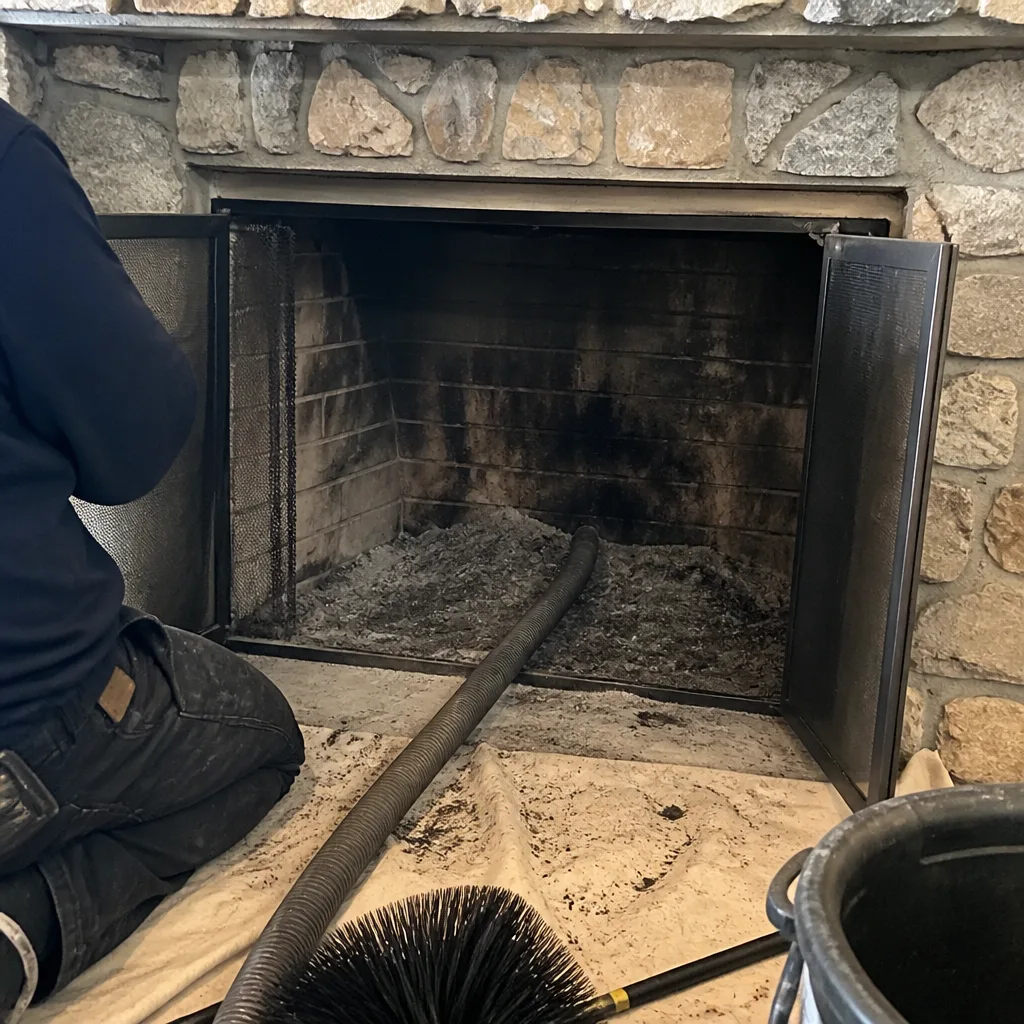 Before
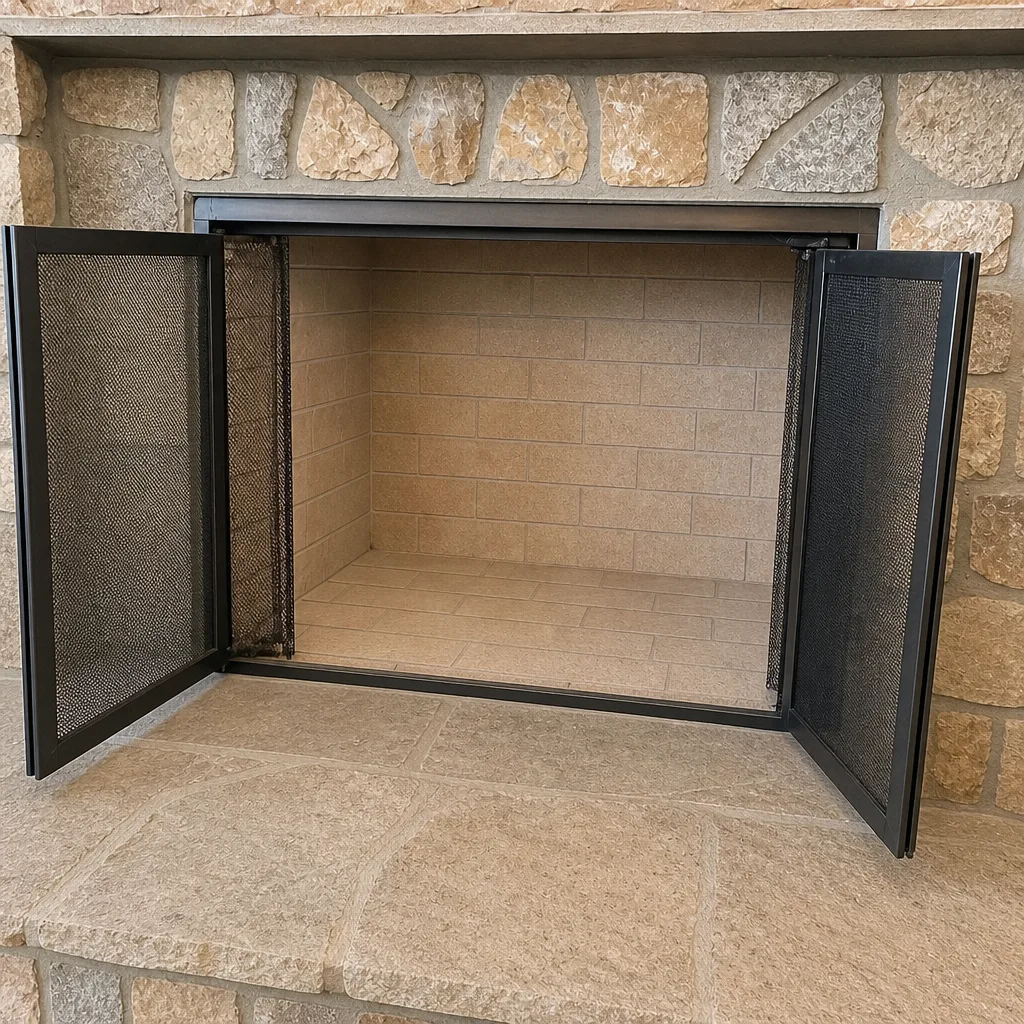 After
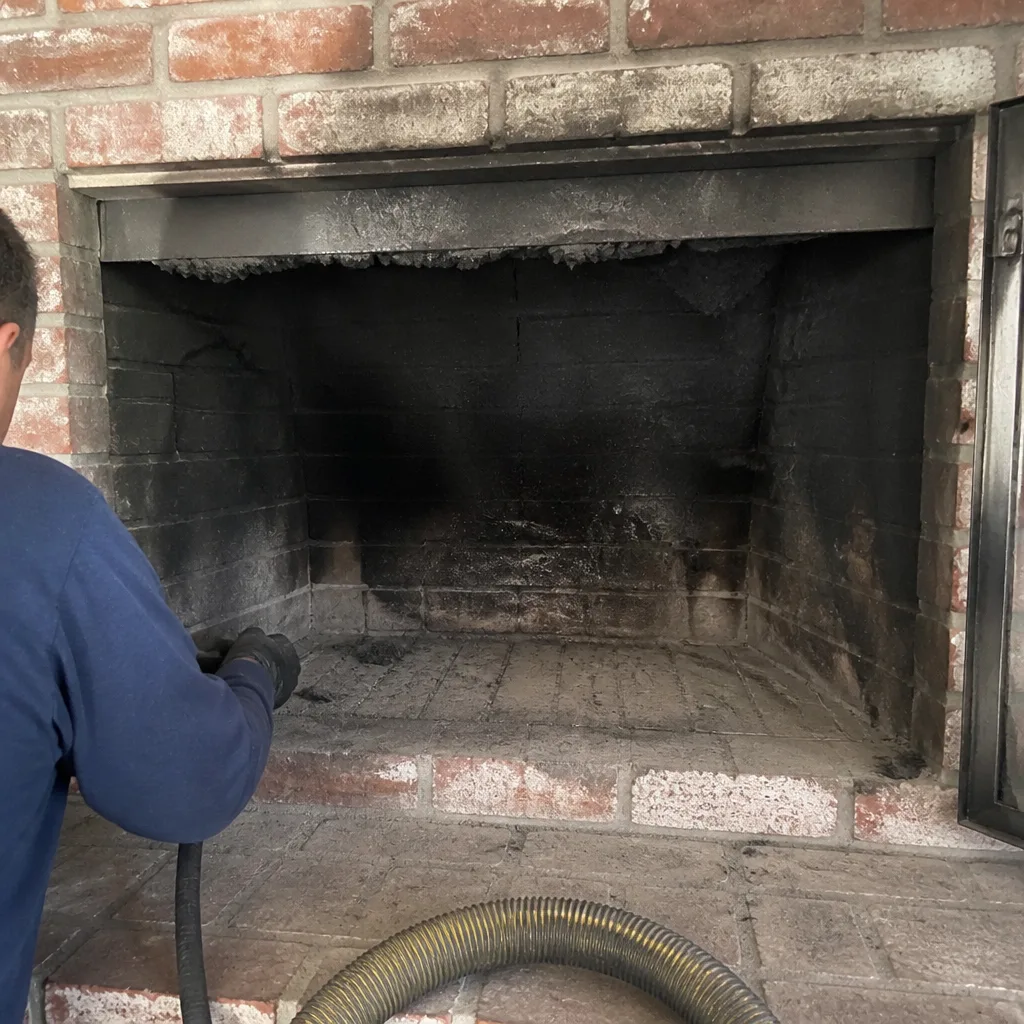 Before
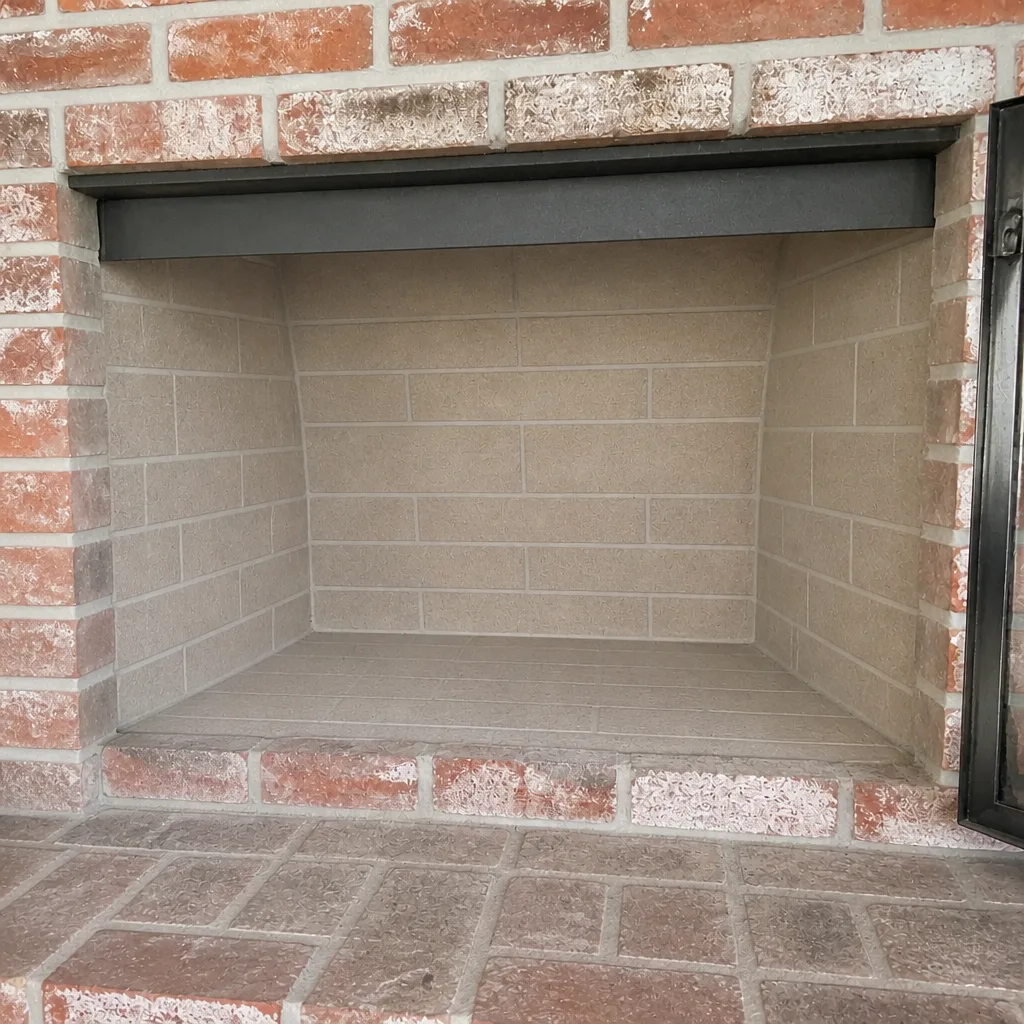 After
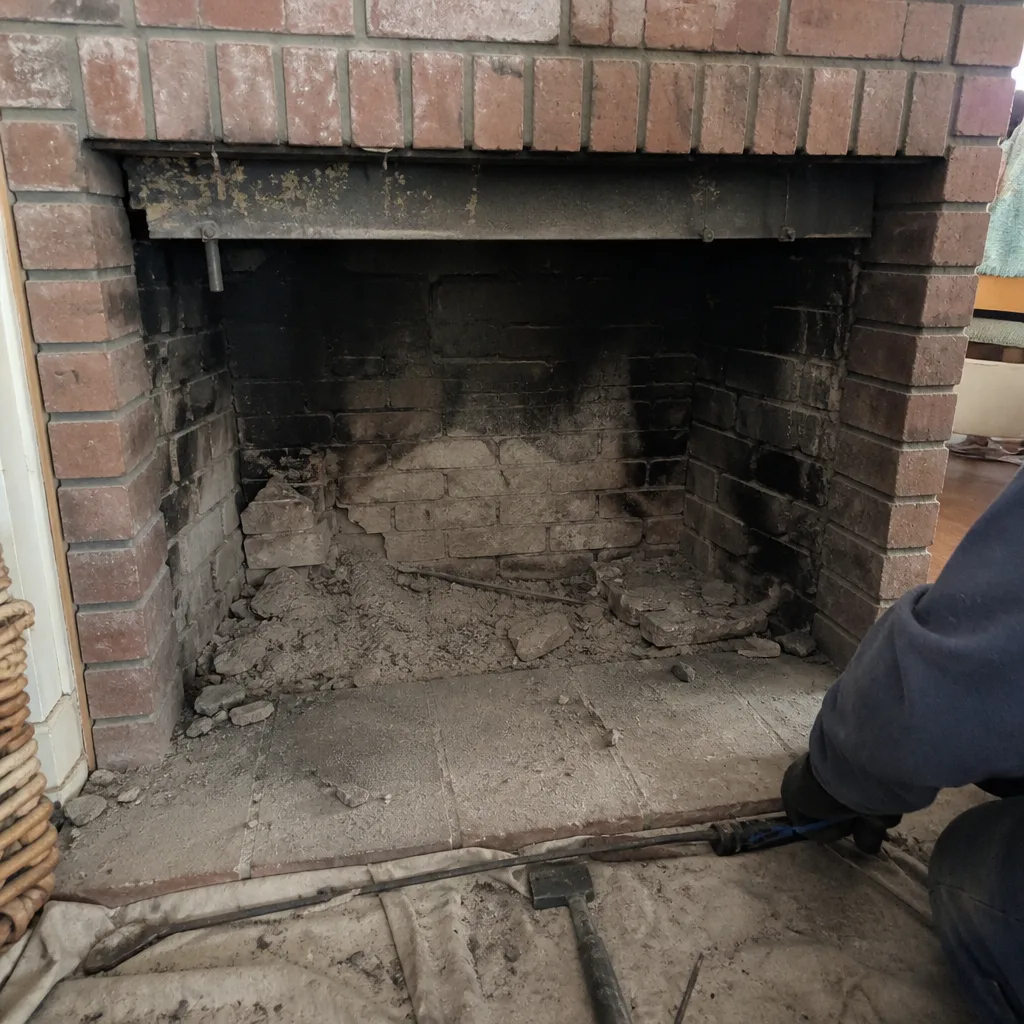 Before
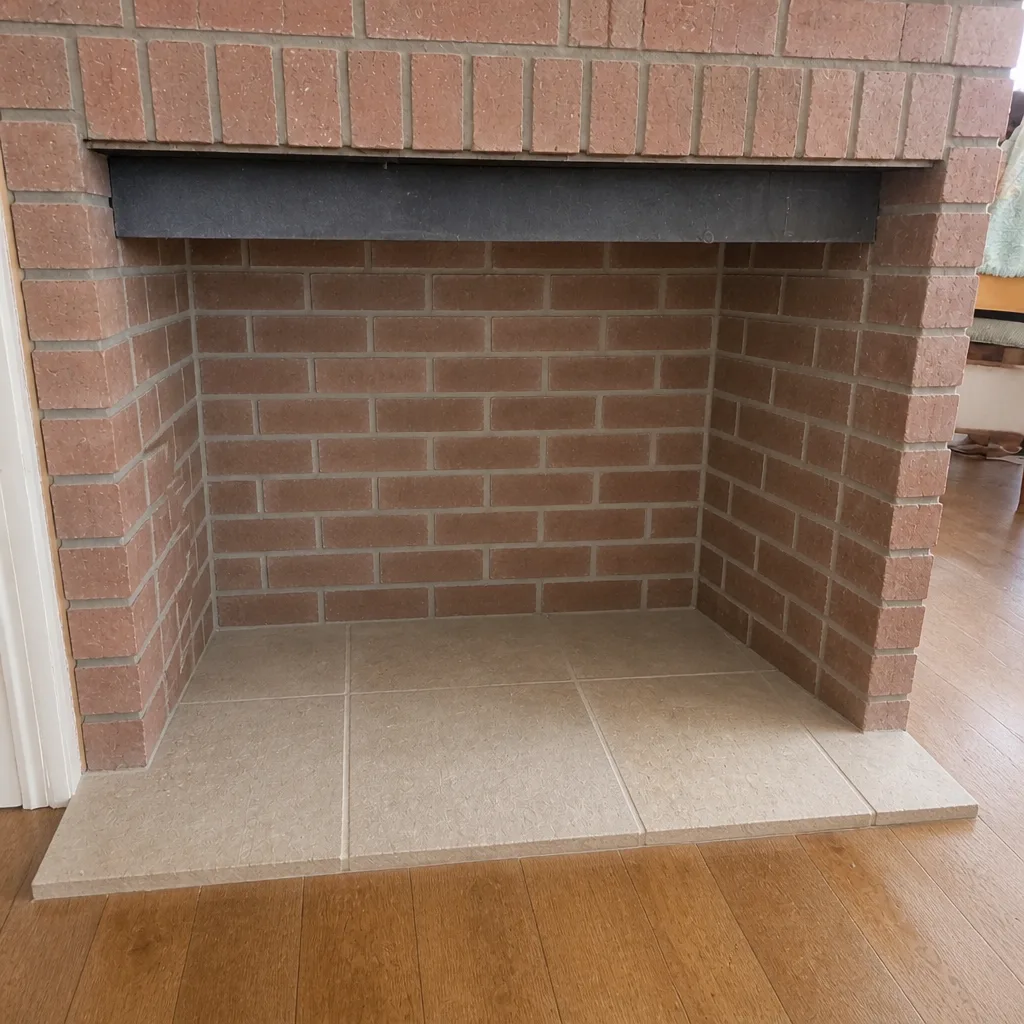 After
When to Call a Professional
Call a professional when you have any of the “stop using it” symptoms, when you have a persistent symptom you’ve tried to diagnose yourself, or when you’re simply not sure. Any of those three is reason enough. Safety always leans professional.
Call us when the symptom doesn’t fit neatly into one category. A homeowner who can describe exactly what they’re seeing and when they see it gets the right service scheduled on the first call, and that’s the visit that solves the problem. Call us when you’re ready to schedule an inspection, a sweep, a fireplace repair, or a chimney repair so the whole system gets looked at. Our technicians have up to 13 years of experience with symptoms like the ones in this guide, and their job is to diagnose the cause rather than the symptom. If you’re due for a fireplace repair or a full chimney inspection, Chimney Sweep Westminster Pros offers free estimates in Westminster; call (833) 482-6197. We answer 24/7. Fast dispatch from 7am to 7pm, Sunday through Friday.
Frequently Asked Questions
A persistent smoky or tarry smell from the firebox even when the fireplace hasn’t been used in days. That odor is the clearest indicator of creosote buildup, and unlike smoke rollback or efflorescence it doesn’t have other common causes. If the smell is earthy instead of sharp, the issue is likely moisture rather than creosote. Call (833) 482-6197 for an exact diagnosis; estimates are free.
Yes, it warrants a closer look. White staining (efflorescence) means water is moving through the masonry and carrying salts to the surface. It’s not cosmetic. Left without addressing the moisture source, it can lead to mortar joint failure and brick spalling over time. Call (833) 482-6197 for an inspection that includes the crown and cap, since those are the most common entry points.
Creosote smells sharp, smoky, and tarry, and it gets stronger in the days after a fire. Mildew smells earthy, damp, or sour, and it gets stronger after rain or in humid weather. Creosote is a cleaning issue; mildew is a moisture issue. Each requires a different fix. Call (833) 482-6197 to have whichever smell you’re dealing with diagnosed correctly.
No, not safely for anything beyond surface work. Flue cleaning requires proper brushes and ventilation control, and the work happens at heights and around creosote with fire risk during flue conditions. There’s also the diagnostic angle: a homeowner cleaning the flue sees the inside of the flue, not the crown, cap, flashing, or liner condition. That’s where the real warning signs often live. Call (833) 482-6197 for a professional sweep.
Annual inspection for any chimney that sees regular use, and a sweep whenever the flue shows visible soot or creosote buildup. Gas fireplaces still benefit from an annual inspection even though soot is minimal. The marine layer in Westminster means moisture issues tend to appear sooner than in drier climates, which makes the annual inspection more valuable than a sweep alone. Call (833) 482-6197 to schedule one.
It depends which sign. Soot and smoky smell get worse and eventually affect draft, which causes more creosote buildup and eventually a fire risk. Moisture signs (efflorescence, mildew, damper stiffness) damage the masonry over time and compound into larger structural repairs. Draft failure is the safety-critical category: smoke in the room means combustion byproducts in the living space. None of them get better on their own. Call (833) 482-6197 before you keep using it.
The Bottom Line
Chimney problems announce themselves early, but only if you know what you’re looking at. The payoff is precision: a persistent smoky smell points to creosote and needs a sweep, while an earthy smell points to moisture and needs the source located. White staining on the exterior is a structural warning, not a surface blemish. Smoke rollback and any chemical smell are stop-using-it conditions. And in Westminster’s marine layer, moisture-driven warning signs show up sooner and more persistently than heat-driven ones, so the symptom you notice and the cause you’re dealing with may not match up in the obvious way. Read the sign before you call, and the right service gets scheduled the first time. From the firebox to the crown, one team, one standard: that’s Chimney Sweep Westminster Pros.
Call (833) 482-6197 for a free estimate. We answer 24/7. Fast dispatch from 7am to 7pm, Sunday through Friday. If you’d rather describe what you’re seeing over the phone first, we’ll listen and point you at the right next step, whether that’s a sweep, an inspection, or a repair visit.
Written by the team at Chimney Sweep Westminster Pros.