
Last updated November 25, 2026
 Sweep & inspection
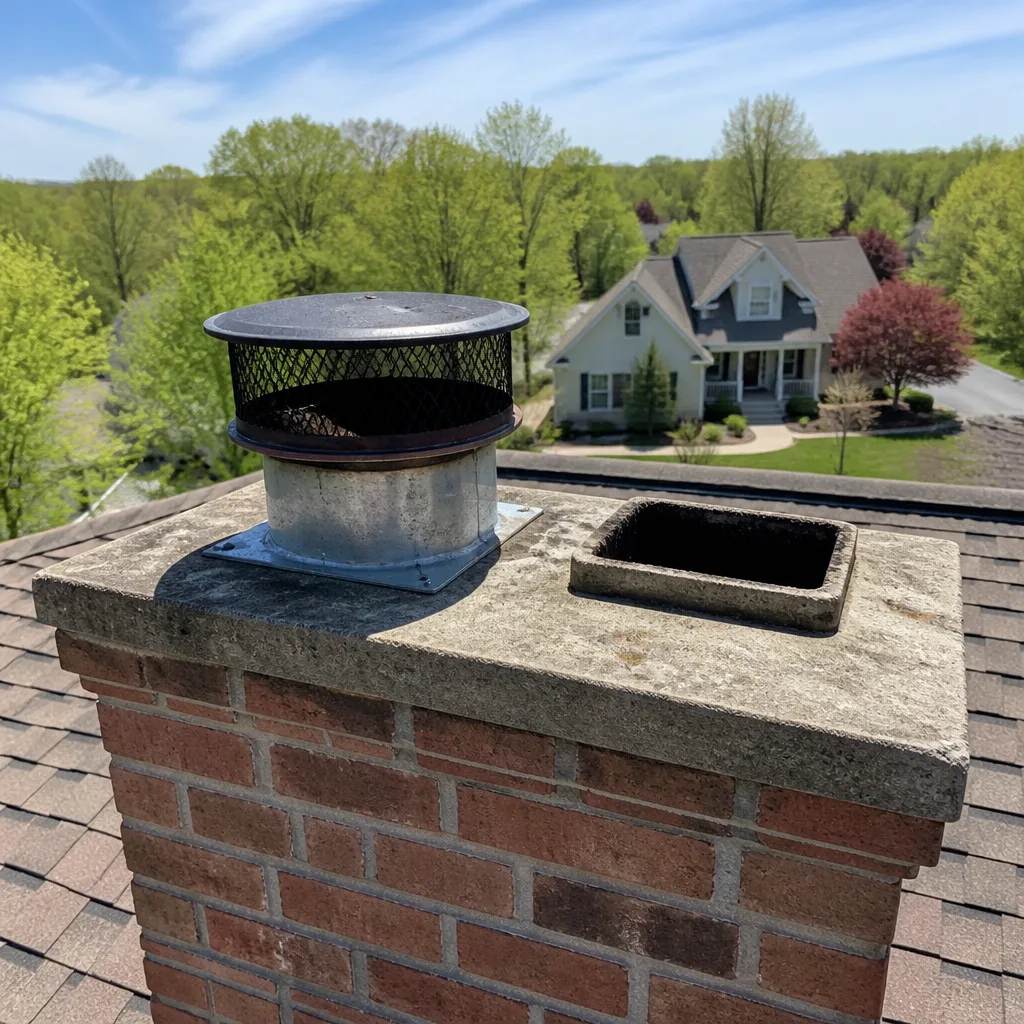
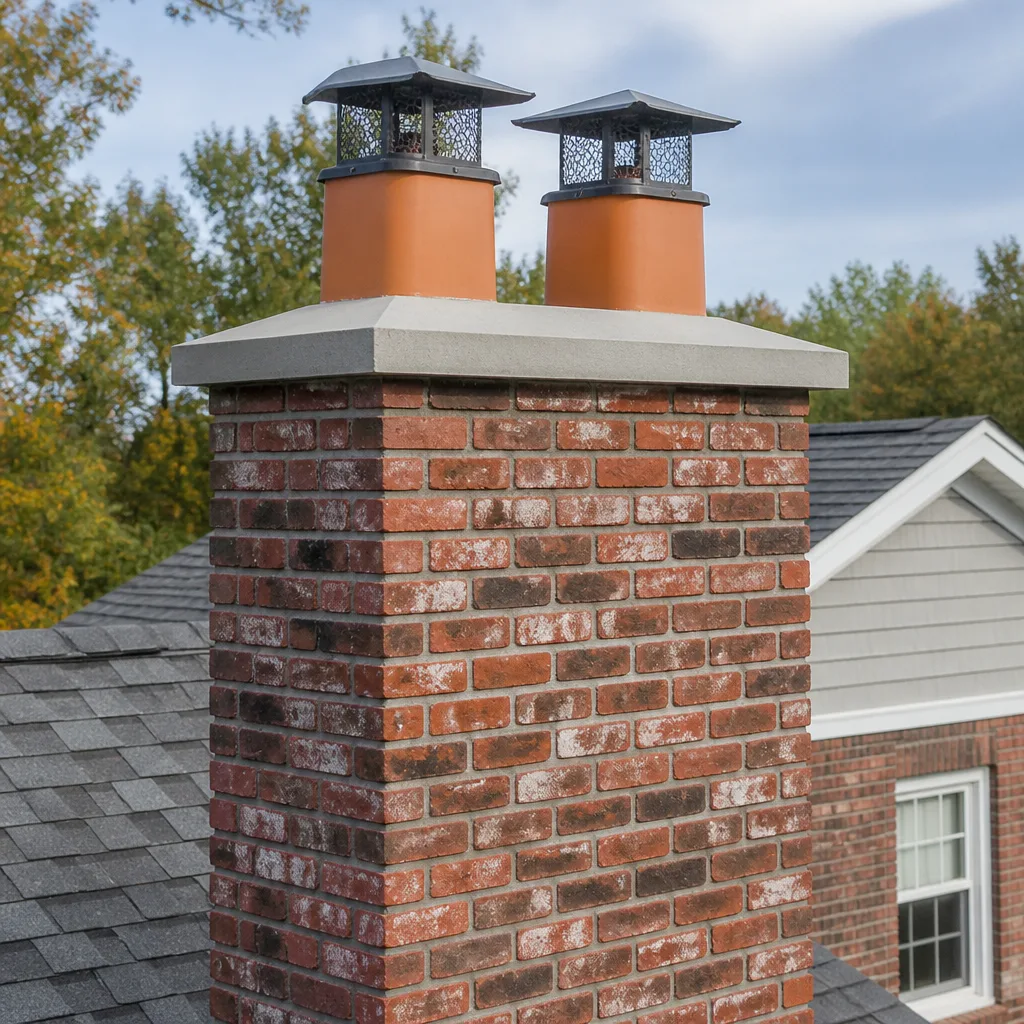 Caps & crowns
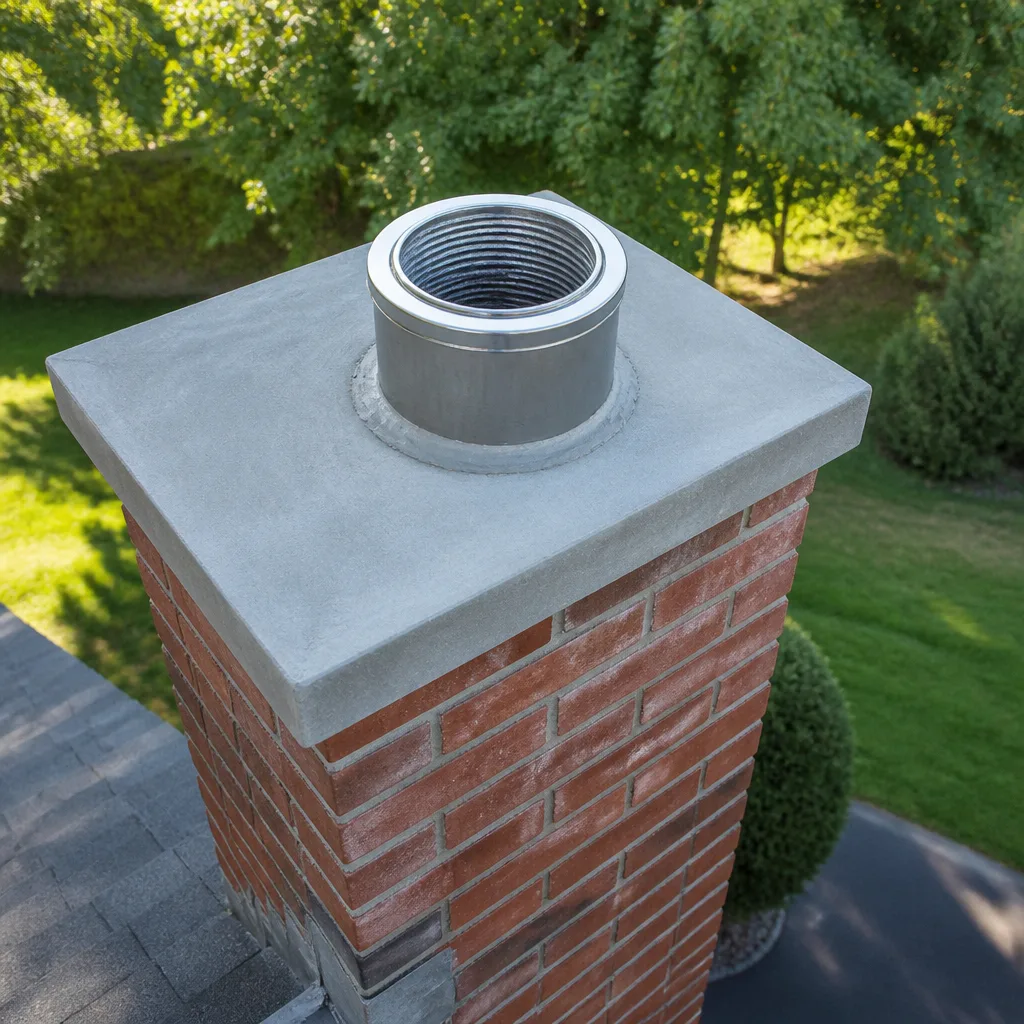 Flue relining
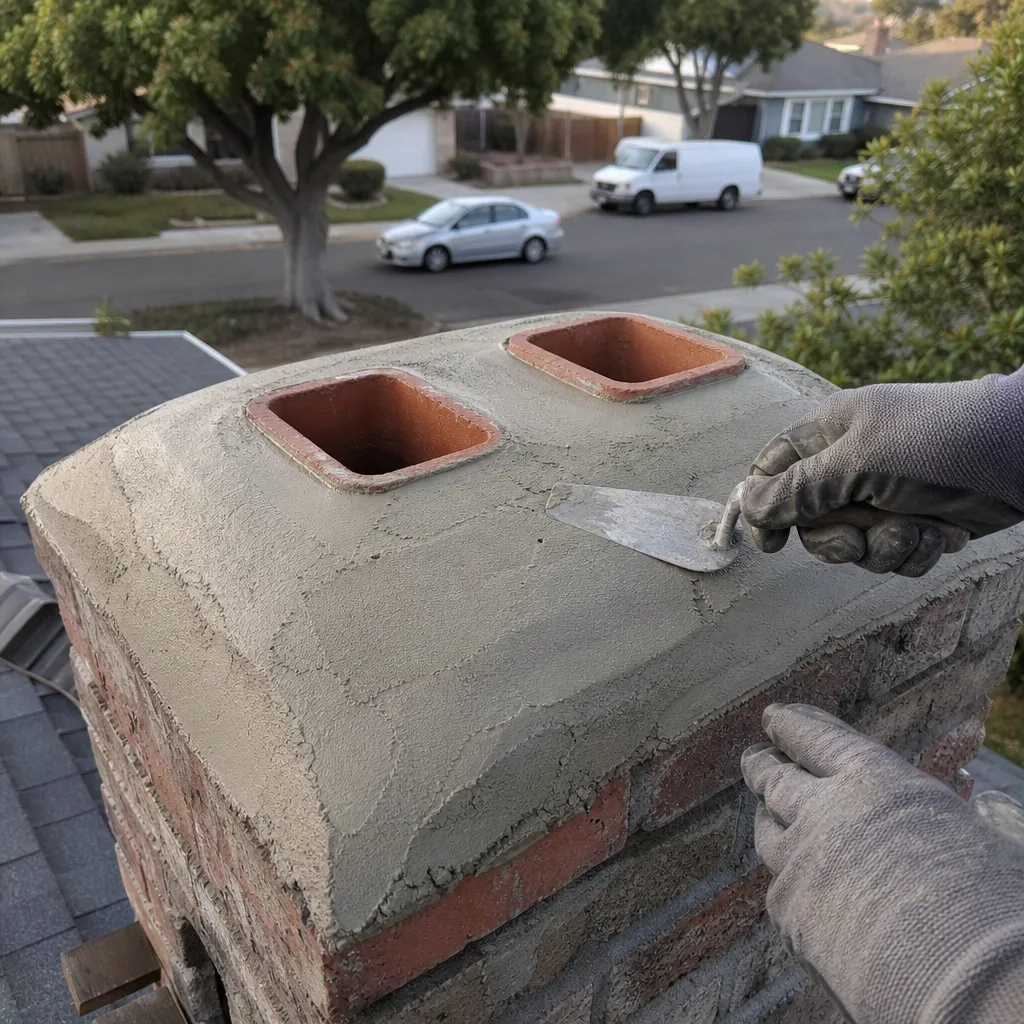
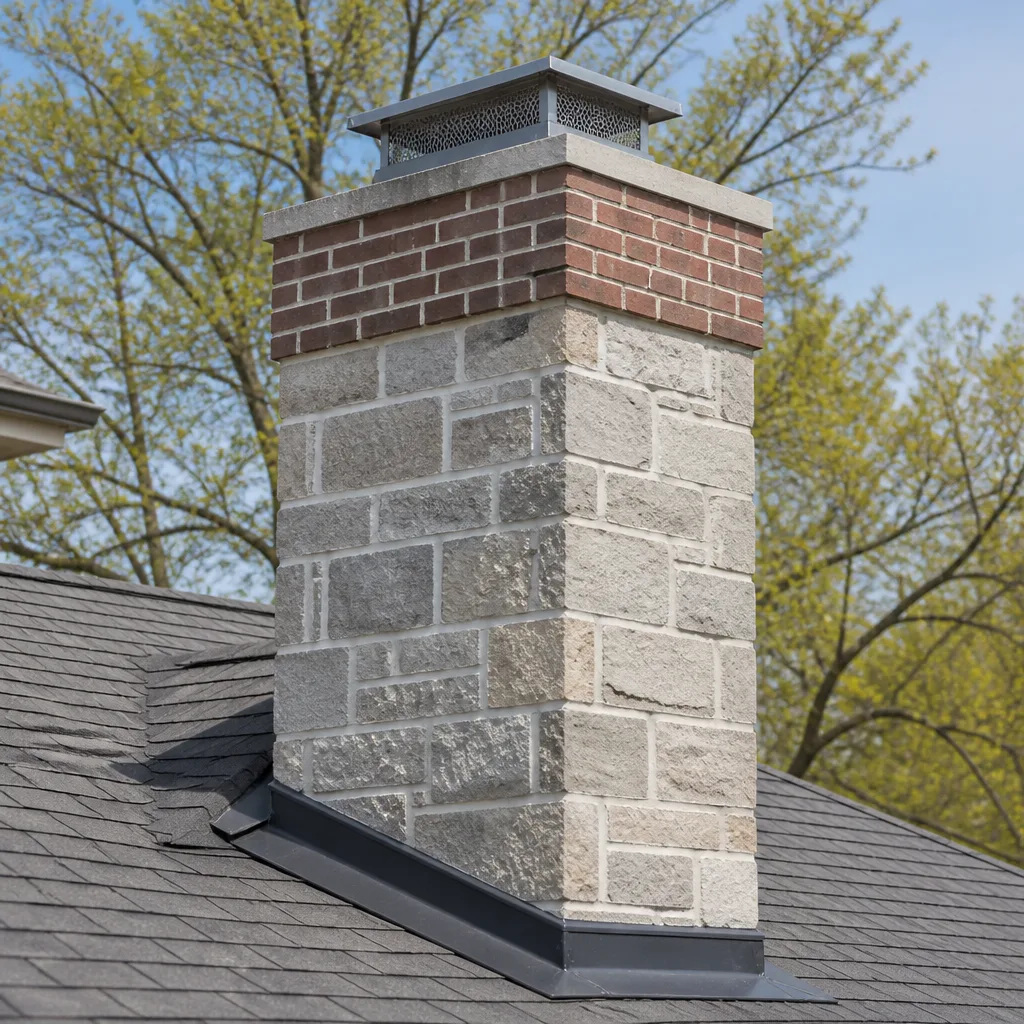 Masonry repair
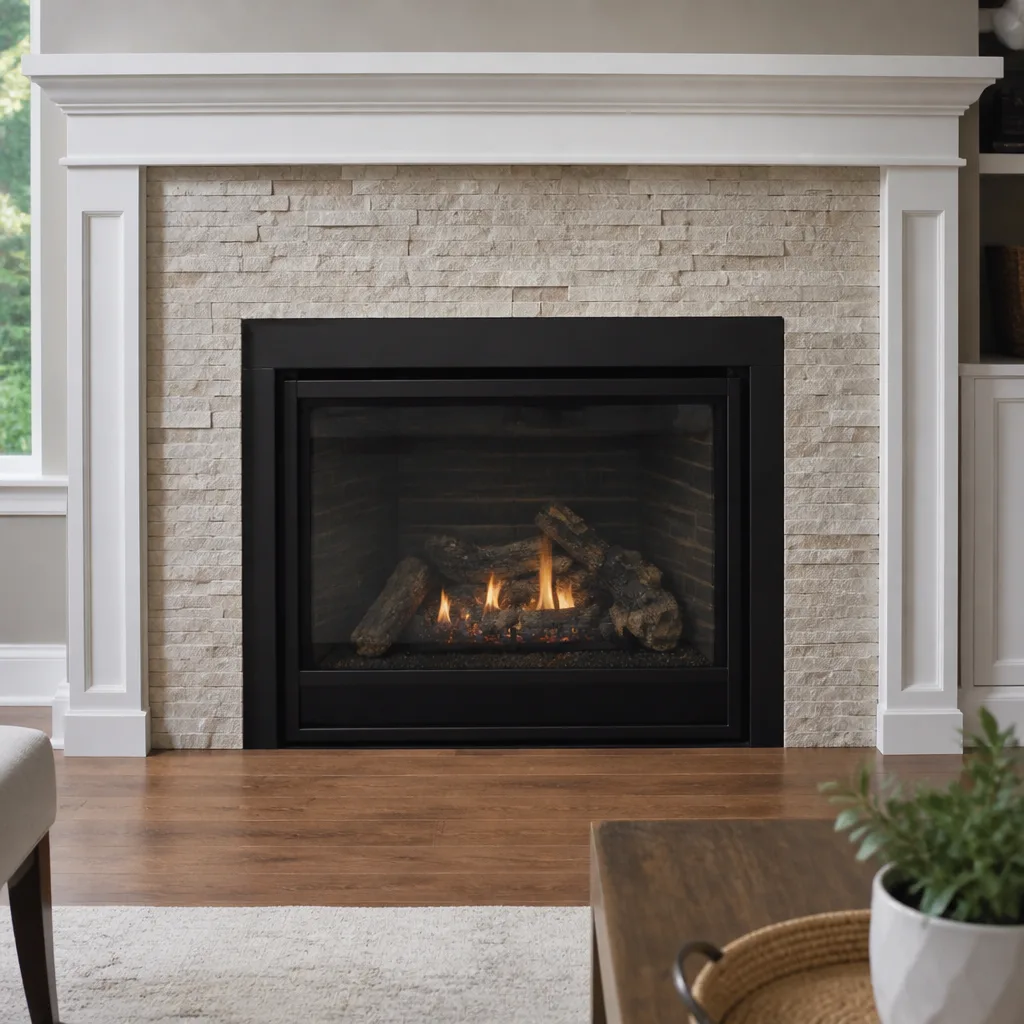 Gas fireplace service
Level 1 sweep and inspection to the NFPA 211 annual standard - flue, crown, cap, and flashing checked and photographed
Chimney sweep logs do not sweep chimneys. They loosen some creosote - which then falls where a brush and vacuum still have to collect it.
The Complete Guide to Chimney Cleaning in Westminster
Most chimney guides are written for homes that burn wood three months a year. Westminster homeowners burn wood three weekends a year, and that irregular, low-volume use produces a different creosote and moisture profile that standard sweeping schedules miss entirely. A chimney that sits idle for months and then gets a fire built in it is not the same chimney as one that runs hot all winter. The difference matters here, and it changes when you should clean, what you should look for, and why a spring check can be more valuable than a fall one. This guide covers how cleaning actually works in Westminster’s climate, what accumulates inside a chimney here, and how to read the report you get afterward.
Quick Answer
Chimney cleaning in Westminster means more than brushing the flue. A proper service includes a Level 1 inspection, removal of creosote and debris from the firebox through the smoke chamber, a check of the liner and cap, and a written report on what was found. Because Westminster’s coastal humidity and low burn volume let creosote stay soft and let moisture and debris build up between fires, most homes here do best with an annual inspection and a cleaning only when the inspection says it’s needed.
Styles & brands we work with
- Sweep & inspection
- Caps & crowns
- Flue relining
- Masonry repair
- Gas fireplace service
Table of Contents
- Why Westminster’s Climate Changes Chimney Cleaning
- How Creosote Forms in Low-Use Chimneys
- Do Gas Fireplaces Need Chimney Cleaning?
- What Actually Accumulates in a Westminster Chimney
- What a Full-Lifecycle Cleaning Includes
- How to Read a Level 1 Inspection Report
- How Often Should You Clean a Westminster Chimney?
- When Work Can Safely Wait
Why Westminster’s Climate Changes Chimney Cleaning
Most national chimney advice assumes a home that sees months of cold weather and steady burning. That advice was not written for a place where the fire gets lit on cool December evenings and then sits cold for weeks. In a mild climate like Westminster, the chimney spends most of the year at outdoor temperature, and that idle time is when moisture does its quiet work. A wood-burning chimney that’s used intermittently stays cooler and damper between fires than one that runs hot through the winter. Any creosote that forms in a low-use chimney tends to stay soft or glaze slowly instead of building the hard, dry, flakey layer you see in colder markets.
Coastal humidity is the second half of the picture. Westminster sits close enough to the coast that the air carries a steady load of moisture, and that moisture finds its way into an unlined or poorly capped chimney the same way it finds its way into everything else. When the inside of a flue stays damp between fires, creosote clings more stubbornly, mortar joints soften over time, and the top of the chimney takes the worst of it. A chimney that leaks at the crown doesn’t announce itself with smoke in the living room. It just slowly lets water inside.
That’s why we treat cleaning as a diagnostic event, not a chore. The brush tells us what’s there; the inspection tells us what it means. In a Westminster home, a chimney can look clean from the firebox and still have a cracking crown, a cap that’s lost its screen, or a liner that’s given up along one seam. Cleaning without inspecting is brushing a surface you can’t see. For a full breakdown of the standard service, see our chimney sweep page.
How Creosote Forms in Low-Use Chimneys
Creosote is the residue left behind when wood smoke cools before it leaves the flue. The key word is cools. In a hot, steady fire, smoke travels up and out before it condenses. In a fire that’s just getting going, or one built with damp wood, or one that’s burned in a chimney that’s been cold for weeks, the smoke cools on the way up and leaves a deposit on the flue wall. That deposit is creosote, and it comes in three stages.
- Stage 1 creosote is soft, sooty, and flakey. It brushes off easily. Most low-use Westminster chimneys sit here.
- Stage 2 creosote is harder and more tar-like. It clings to the flue wall and needs more than a light brush. It’s more common when a chimney sees irregular burns with damp wood.
- Stage 3 creosote is glazed and shiny, and it’s the stage that matters most for fire risk. It can’t be brushed off with a standard sweep and often needs mechanical removal or a restoration treatment.
The awkward part for Westminster homeowners is that low-volume burning tends to produce Stage 1 and Stage 2 deposits rather than the glazed Stage 3 you’d see in a hard-working woodstove. That sounds reassuring, and usually it is, but soft creosote still has to go. Soft deposits that sit through a humid summer don’t just sit there. They draw moisture, and they give the next fire a less predictable starting point than a clean flue would.
The other factor is fuel. Wood that hasn’t been properly seasoned carries water into the fire, and wet wood means cooler smoke, and cooler smoke means more deposit. If you burn wood, burn it dry. If you burn occasionally, expect the flue to need a look each season even if the firebox looks clear. Our Chimney Sweep Westminster Pros team can evaluate the creosote stage and recommend what it needs next.
Do Gas Fireplaces Need Chimney Cleaning?
Yes, a gas fireplace still needs its venting and chimney components checked and cleaned, even though it produces no soot. This is the section most homeowners skip, and it’s the one with the most hidden risk in a mild climate. Because the chimney doesn’t produce creosote, people assume nothing happens inside it. Something does. Gas venting invites wildlife, and it collects dust, lint from the home’s air, and debris that drifts down from the top. A gas fireplace that hasn’t been looked at in years can develop a blocked or partially blocked vent without ever giving a visible sign.
What a gas fireplace cleaning and inspection covers:
- Checking that the vent terminates properly and the cap is intact
- Clearing debris, nests, and dust from the vent path
- Inspecting the venting for corrosion, looseness, or gaps at the joints
- Confirming the firebox and its surrounding components are sound
- Verifying the termination is clear of obstructions
Gas fireplaces don’t produce creosote, but a blocked or compromised vent can push combustion byproducts back into the room, which is a carbon monoxide concern. That’s not a scare tactic; it’s the reason venting is inspected. If a gas fireplace has been dormant, or if you’ve never had the vent checked since you moved into a Westminster home, an inspection is the right starting point. For problems inside the firebox itself, our fireplace repair service handles what a sweep can’t.
What Actually Accumulates in a Westminster Chimney
Creosote is the headline, but it’s not the only thing inside a chimney in this region. Between fires, the chimney acts as a passive collection chamber for whatever the local climate drops into it. Southern California yards and street trees contribute their own kinds of debris, and a chimney that sits idle for weeks at a time collects it all. What we look for when we open and inspect a Westminster chimney:
- Eucalyptus and other tree litter. Fine seeds and wispy tree litter blow into open flues and lodge against the flue wall or the smoke shelf. Over time they build up into a mat that’s easy to miss until the flue is inspected.
- Insect and bird nests. An open or unscreened flue is a prime nesting spot, and the materials nests are made from don’t burn like wood. Nests block the draft and collect moisture.
- Moisture-driven deterioration. In a humid, mild climate like Westminster’s, water intrusion works on the crown and cap year-round. It softens mortar at the top of the chimney and lets water follow the flue down.
- Dust, ash, and mineral film. Ash from wood fires and a fine dust film on gas fireplaces both accumulate in low-use chimneys, especially where the firebox sits unused for months.
- Lint and loose soot high in the flue. These settle into the smoke chamber and shelf where the brush doesn’t naturally reach.
Westminster’s mix of older homes and newer construction means a mix of chimney types too. An older chimney may have a masonry flue with a clay tile liner; a newer one may have a factory-built liner. Debris and moisture interact differently with each. That’s why the inspection has to clean the smoke chamber and shelf, not just run a brush up the flue.
What a Full-Lifecycle Cleaning Includes
A chimney cleaning that stops at the bottom of the flue is a partial service. In our experience, the value of the visit comes from what gets cleaned alongside the flue, and how those steps fit together. This is the sequence a proper cleaning should follow, and what each step is for.
- Protect the room. Drop cloths go down before any brush goes up. Soot travels, and cleanup is part of the job.
- Run a Level 1 inspection. Visually assess the firebox, damper, flue, and everything reachable at the top. The goal is to know what’s there before brushing.
- Brush the flue. Remove soot and creosote from the flue wall, matching the brush and method to the liner type and the creosote stage found during the inspection.
- Clean the smoke chamber and shelf. The smoke chamber is the slanted space between the firebox and the flue. It’s where residue collects and where many basic sweeps stop short.
- Clean the firebox and damper. Soot and ash from the firebox, and the damper operation and fit, both get attention.
- Inspect the liner and components. Confirm the liner is sound from top to bottom, with no gaps, cracks, or pulled joints.
- Check the cap and crown. The cap keeps out water, debris, and nests; the crown keeps water out of the flue top. Both get checked, because both are where water intrusion starts.
- Write up findings. A written report with photos of what was found, so you can see what we see.
When the liner shows wear, the report may recommend a restoration step or a relining step rather than just noting it. This is where our knowledge of DuraFlex flex liner systems and HeatShield restoration matters. HeatShield restores a liner without a full relining when the condition calls for it, and a DuraFlex flexible liner is installed when the old liner has gone too far. We name the brands we install because you should know what’s going into your home. If the repair is structural rather than a liner issue, that moves to chimney repair, and the same team handles it as part of the same report. From the firebox to the crown, one team and one standard.
How to Read a Level 1 Inspection Report
The most useful thing you can learn from a chimney visit is how to read the report without needing to call a second contractor for a second opinion. A Level 1 inspection is a visual assessment of the readily accessible parts of the chimney. It doesn’t mean “a quick glance.” It means the inspector has looked at the firebox, damper, smoke chamber, flue, and the accessible parts at the top of the chimney, and written down what could be seen. The report usually marks each component with one of three conditions.
- Serviceable. The component is doing its job and doesn’t need attention right now. Note that serviceable doesn’t mean “like new” – it means usable and safe to keep using. A flue with light wear and no gaps can be serviceable.
- Serviceable with monitoring. The component is fine today but shows something worth checking on the next inspection – early cracking, a soft joint, or a cap starting to wear. There’s no action needed yet, but you should know it’s on the list.
- Requires repair. The component is no longer doing its job. This could be a cracking crown, a liner with a gap, a loose cap, or missing masonry. The report should say what the risk is and what the fix looks like.
A report that lists everything as “requires repair” deserves a question about what specifically was found and whether photos support it. A report that lists everything as “serviceable” with no detail deserves the same question. Good reports show specific findings with photos you can look at yourself. That’s the point of the camera and the written report: you should be able to see what the inspector sees, and you should never have to take “you need a new liner” on faith. Ask three questions when you read a report: What was found? What happens if it waits? What does the fix involve?
If the report flags the crown or cap, that’s routine work for us. A crown that’s cracked and a cap that’s lost its screen are the two most common ways water gets into a chimney, and our cap and crown service targets both directly. Caps and crowns aren’t add-ons. They’re the difference between a chimney that lasts and one that leaks.
How Often Should You Clean a Westminster Chimney?
For most Westminster homeowners, the right answer is an inspection once a year and a cleaning only when the inspection shows it’s needed. The general trade standard is to clean when the creosote or soot has built up to a certain thickness, and that’s the judgment call the inspection exists to make. What changes in a low-use climate is that the creosote may not build up quickly, while the moisture and debris do. So an annual look catches the things that grow quietly, even when the firebox has seen very few fires.
A practical seasonal rhythm for a Westminster chimney:
- Before the burning season. One inspection before the first fire of the year catches anything that changed since the last check – a cap that’s been hit, a nest that moved in over the summer, a crown that’s cracked.
- After a heavy burn season. If you’ve been burning regularly, a check after the season confirms the flue is clear and the liner took the load.
- After any change. A new gas fireplace, a change in the liner, or a repair to the chimney all warrant a look.
- After a chimney sits idle. If the chimney hasn’t been used in a year or more, have it inspected before the next fire. Idle chimneys collect everything described above.
What a hearth professional is really assessing is whether the chimney is safe to use, not whether it looks dirty. A clean-looking firebox can hide a liner problem, and a sooty flue may still be serviceable. That’s why we look at the whole chimney and not just the visible part.
When Work Can Safely Wait
Not everything flagged in an inspection is urgent, and we say so plainly. Some findings are watch-items that can wait until the next inspection. Others are actionable now. The honest dividing line is whether the finding affects safety or water intrusion.
- Can usually wait: early surface cracking on the crown with no evidence of water entry, a cap that’s still intact but shows wear, light soot on a liner that’s otherwise sound, and screen hardware that needs to be replaced.
- Should not wait: a liner with gaps or a liner that’s been compromised at a joint, a crown that’s letting water into the flue, a cap that’s come loose or lost its screen, and a flue that’s blocked by a nest or debris. Each of these affects either fire safety or the chimney’s weatherproofing, and both are worth handling before the next burn.
We’d rather tell you a crown can wait a year than sell you a repair you don’t need. The reverse is more important: we won’t tell you a liner is fine when the inspection found a gap. The report is the standard, and you can see the photos behind it.
Common Mistakes to Avoid
- Cleaning only when you notice smoke. Smoke in the room is a late signal, often a sign of a blocked flue or a draft problem that’s been building. In a Westminster chimney, the first warning happens long before smoke, which is why a routine inspection matters.
- Assuming a gas fireplace needs nothing. Gas burns clean, but the vent can still choke on nests, lint, and debris, and a compromised vent is a carbon monoxide concern. Clean the vent and inspect it, not just the firebox.
- Letting a chimney sit for years without a cap. Westminster’s humidity reaches an uncapped flue all year. A cap is cheap insurance against the water that cracks crowns and softens mortar.
- Skipping the smoke chamber and shelf. Brushing the flue and stopping there leaves residue in the chamber where the flue meets the firebox. It’s a standard part of a proper cleaning.
- Accepting a report with no photos. If a report says “requires repair” without showing you what was found, you can’t evaluate it. Ask for photos and a condition rating for each component.
- Burning wet or unseasoned wood. Wet wood means cooler smoke, and cooler smoke means more deposit. In a mild climate, a little extra creosote sticks around between fires.
- Treating the crown and cap as optional. They’re the two most common sources of water intrusion in a chimney. Leaving them out of the maintenance picture is how a small crack becomes a liner problem.
See the difference
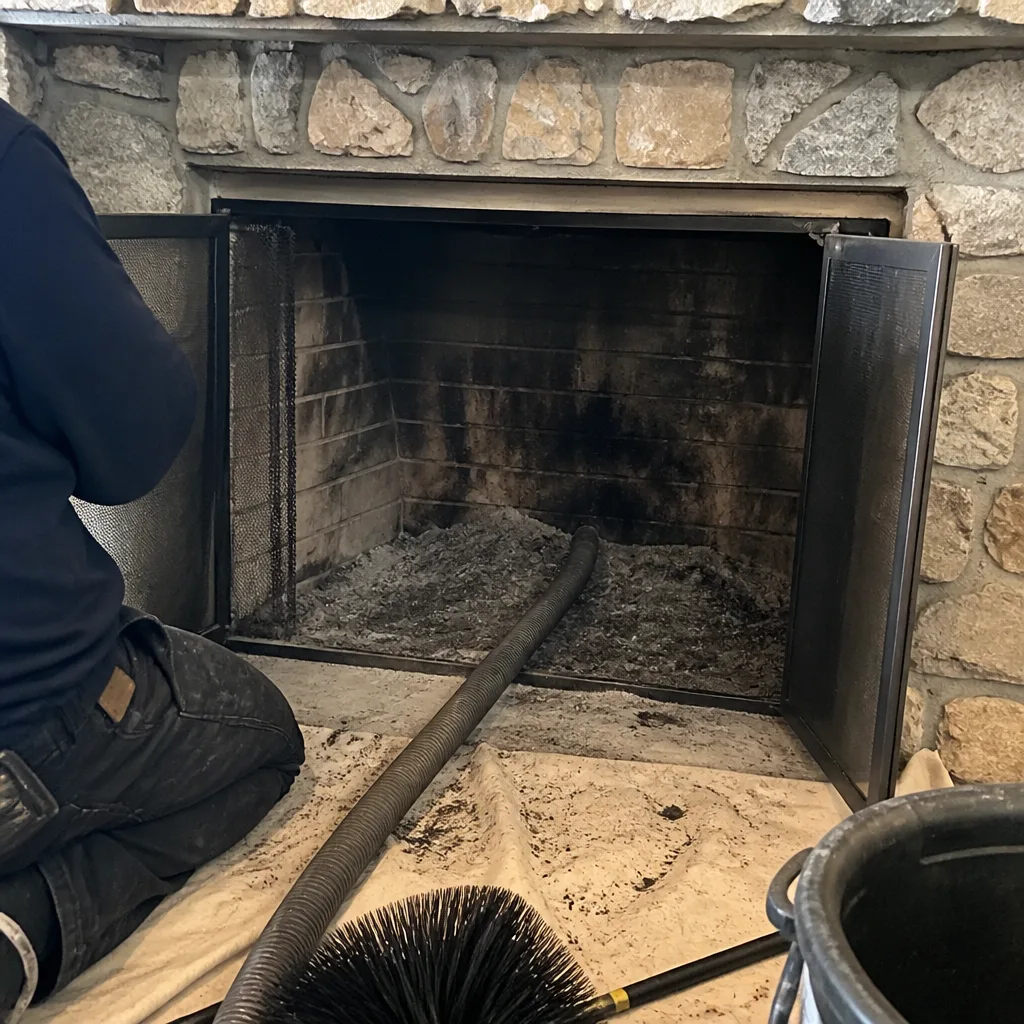 Before
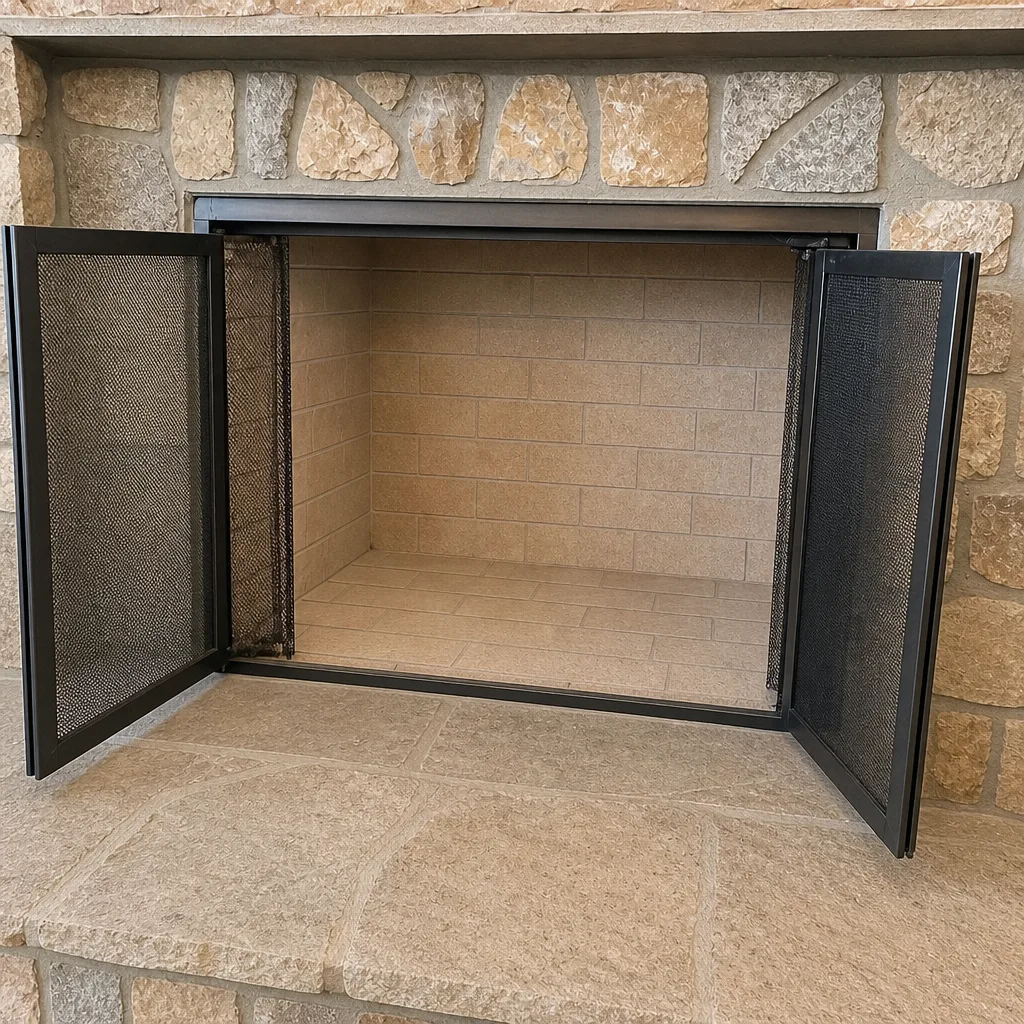 After
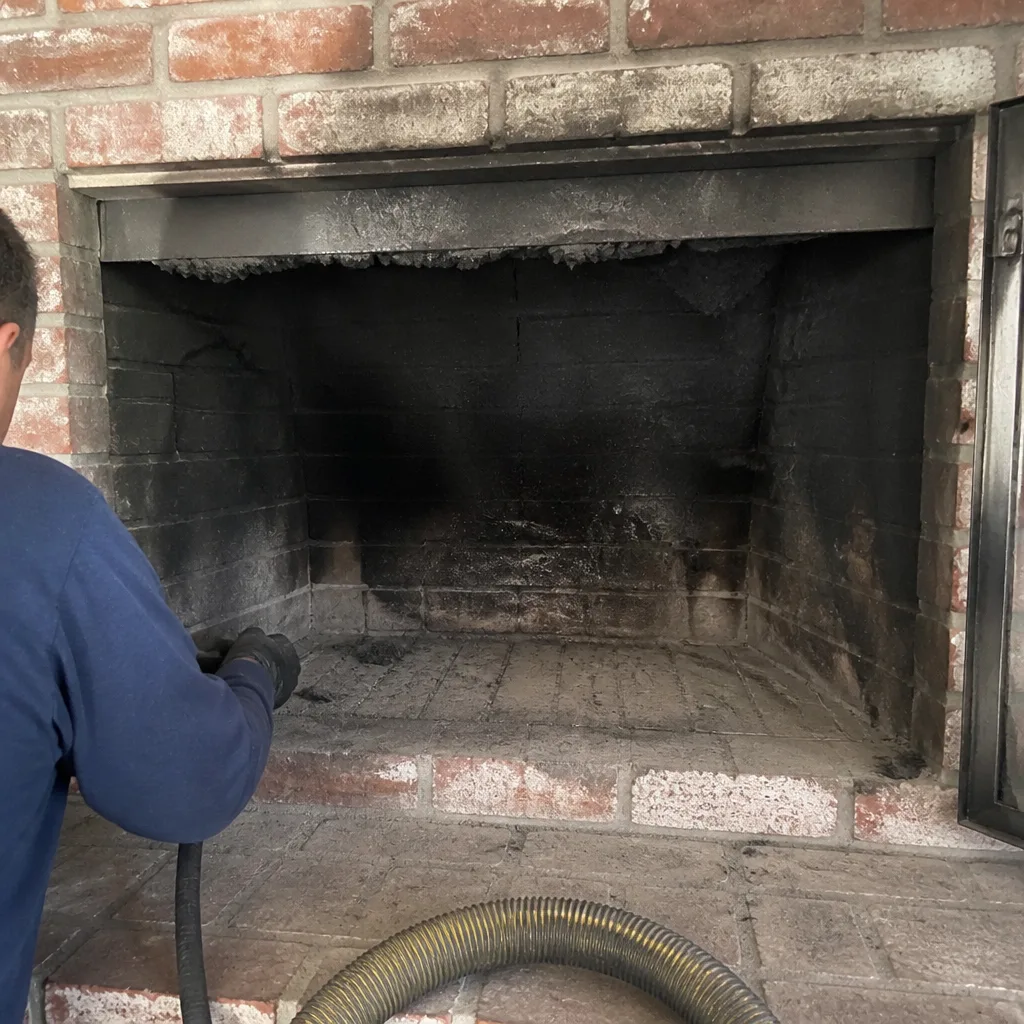 Before
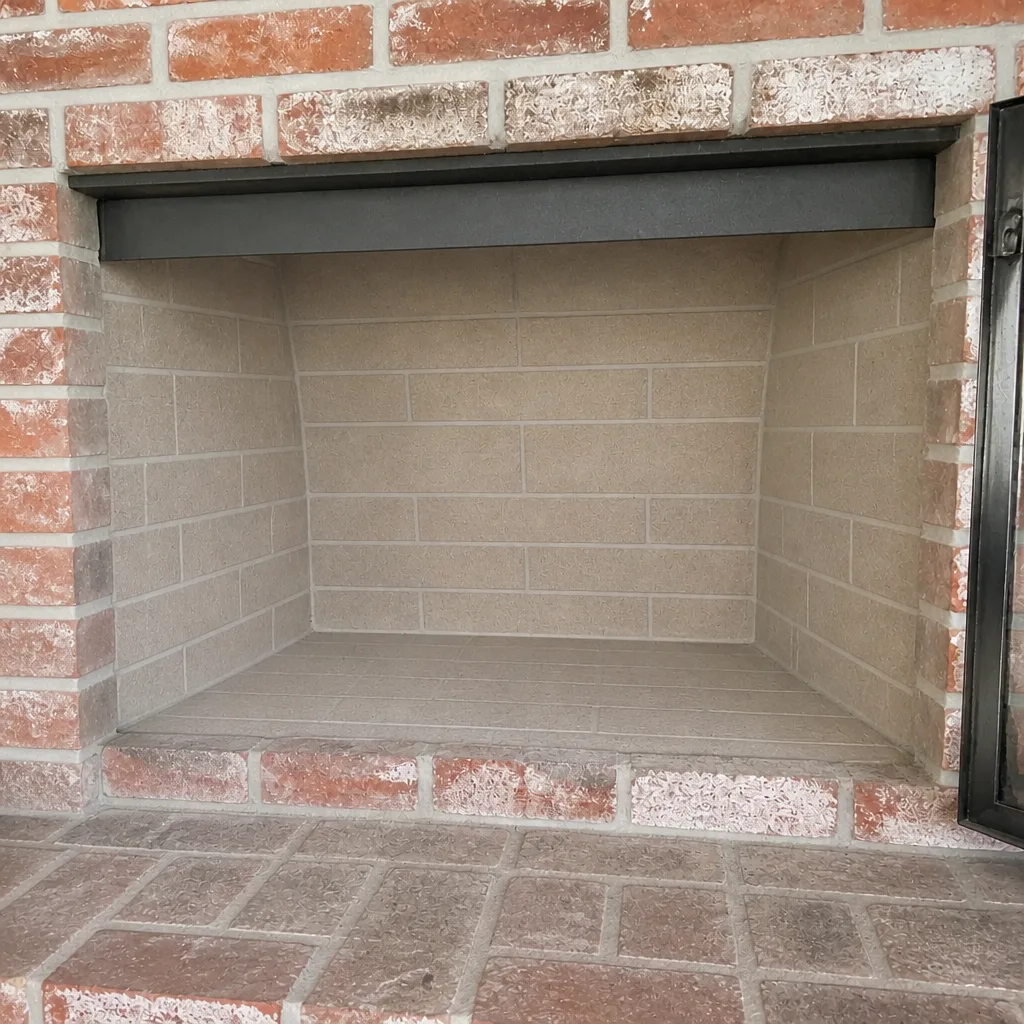 After
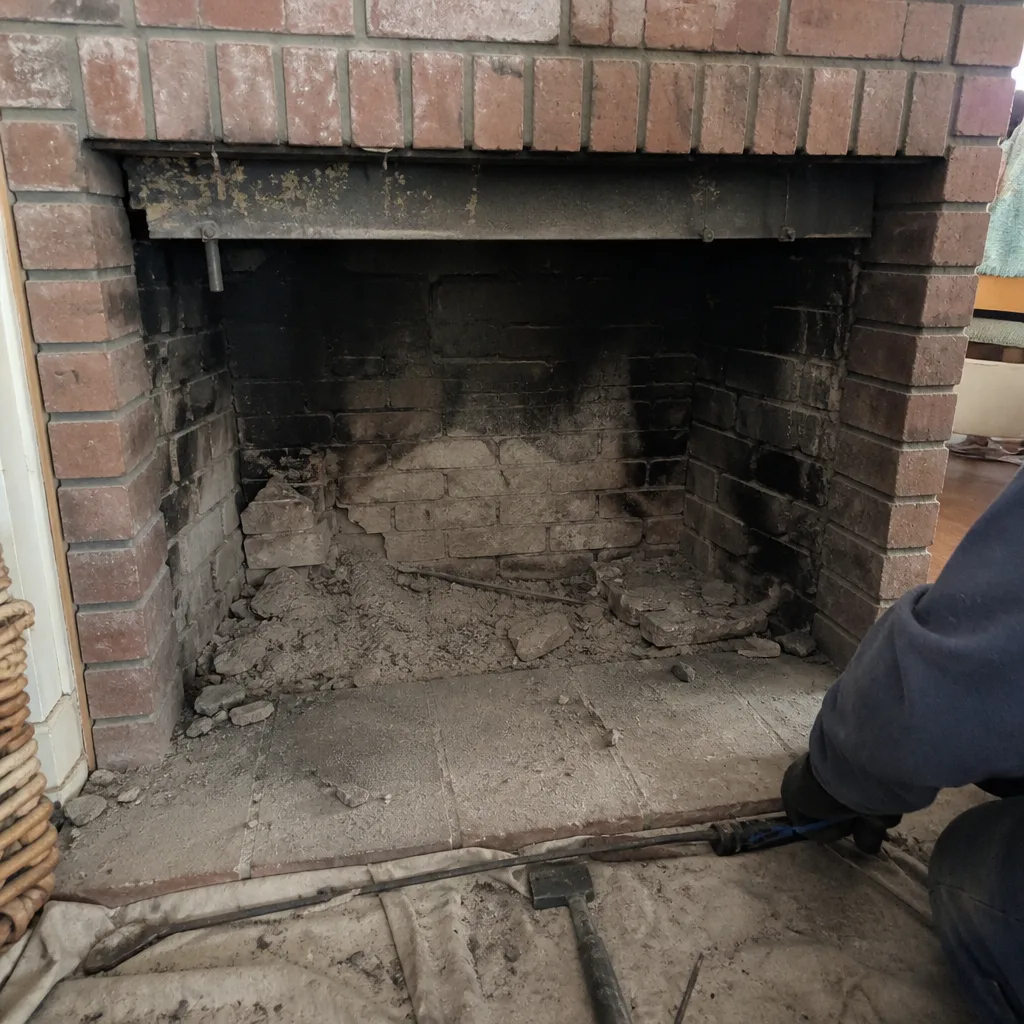 Before
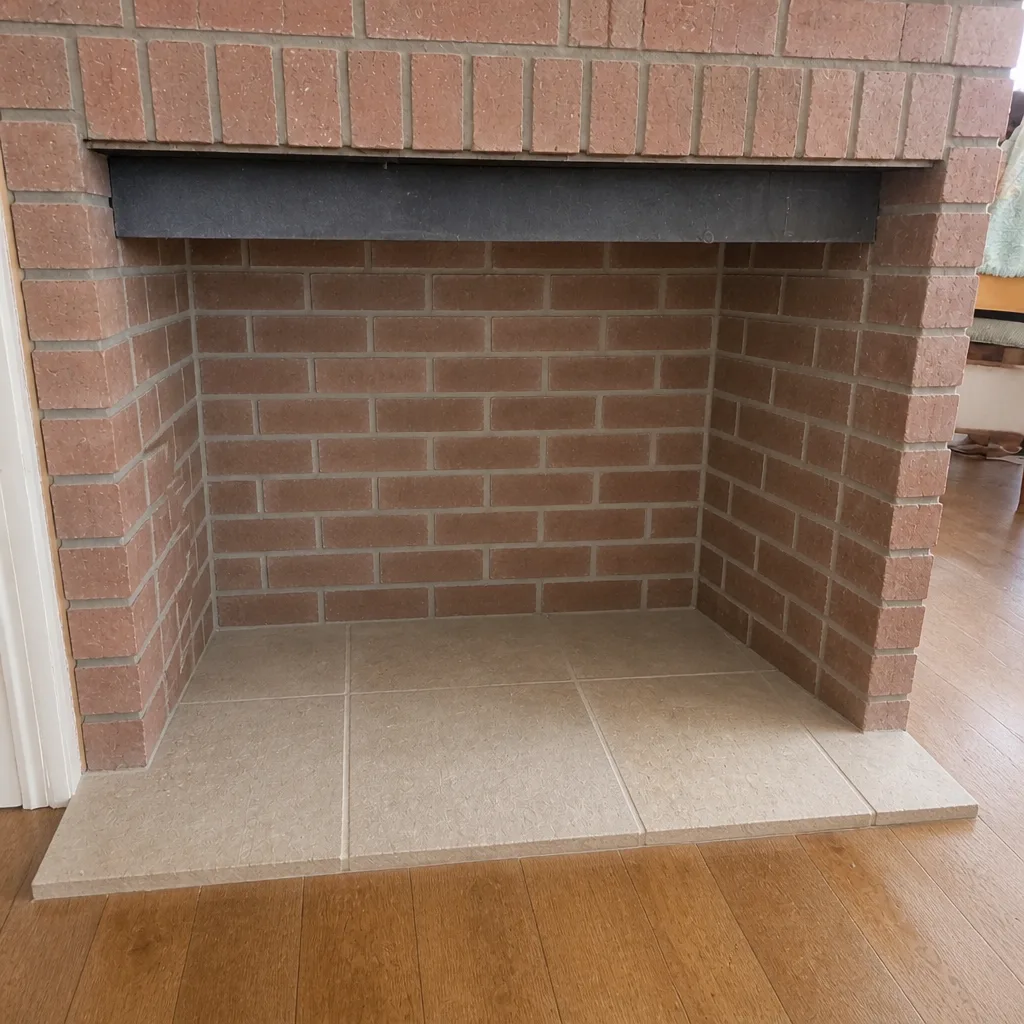 After
When to Call a Professional
Some jobs are for the homeowner and some aren’t. Call a professional when you notice smoke backing into the room, when a fire doesn’t draft properly, when you can see cracked mortar, a damaged crown, or a loose cap, and when you’ve never had the chimney inspected. Call when a gas fireplace hasn’t been looked at, when the chimney sits idle for a season, and when an inspection report finds something you don’t understand. A chimney sweep is a starting point, and we inspect, repair, and protect what comes next. Chimney Sweep Westminster Pros offers free estimates in Westminster – call (833) 482-6197.
Frequently Asked Questions
Chimney cleaning cost depends on the flue type, the amount of creosote, and whether the inspection turns up work beyond cleaning, so the fair answer is that a written estimate sets the price. We give a free estimate before any work is booked, and the price is per job based on what the chimney needs. Call (833) 482-6197 for an exact quote – estimates are free.
Not always. A liner with a gap or a compromised joint is a real problem that usually needs attention, but one that’s still sound just needs to be monitored. HeatShield liner restoration can save a liner without a full relining when the condition calls for it, and a DuraFlex flexible liner is the right call when the old liner is beyond restoration. The report should show you the photos so you can see what’s being recommended and why. Call (833) 482-6197 for an exact quote – estimates are free.
Most homes here do well with an annual inspection and a cleaning when the inspection shows it’s due. Westminster’s low burn volume and humid air mean the inspection is often more valuable than the sweep, because it catches moisture, nests, and liner wear before they become repairs. Irregular burning is more of a reason to inspect, not less. Call (833) 482-6197 for an exact quote – estimates are free.
Skipping a chimney inspection lets small problems grow quietly. Creosote accumulates, nests and debris block the flue, and water entering through a cracked crown softens mortar and can lead to a liner problem that costs far more than a check. The bigger point is that a chimney that hasn’t been looked at is an unknown risk every time a fire is lit. Call (833) 482-6197 for an exact quote – estimates are free.
Yes. Gas fireplaces don’t produce creosote, but their venting still collects debris, lint, and nests, and needs to be checked for blockages and corrosion. A blocked or compromised gas vent is a carbon monoxide concern, which is why we inspect the vent path and not just the firebox. Call (833) 482-6197 for an exact quote – estimates are free.
We prefer it. Being present lets us walk the inspection findings with the report in hand and show you the photos on the spot. It also makes it easy to answer questions about a cap, a crown, or a liner while the chimney is still in front of us. If that’s not possible, we leave a written report. Call (833) 482-6197 to schedule.
The Bottom Line
Chimney cleaning in Westminster isn’t the same service you’d get in a colder market. Low burn volume plus coastal humidity means the creosote may stay soft while moisture and debris do the real damage between fires. The right routine is an annual inspection, a cleaning when the inspection calls for it, and a full-lifecycle service that covers the flue, the smoke chamber, the liner, and the cap and crown together. You should leave every visit with a condition rating, photos, and a plain explanation of what can wait and what shouldn’t. That’s the standard we hold, and the brands we install – DuraFlex, HeatShield, Gelco, Olympia Chimney, Famco, and Copperfield – are named so you know what’s going into your home. Chimney Sweep Westminster Pros handles sweeping, inspection, fireplace repair, chimney repair, and cap and crown work as one team, from the firebox to the crown. Call (833) 482-6197 for a free estimate. We answer 24/7. Fast dispatch from 7am to 7pm, Sunday through Friday.
Written by the team at Chimney Sweep Westminster Pros.