
Last updated November 25, 2026
 Sweep & inspection
 Caps & crowns
 Flue relining
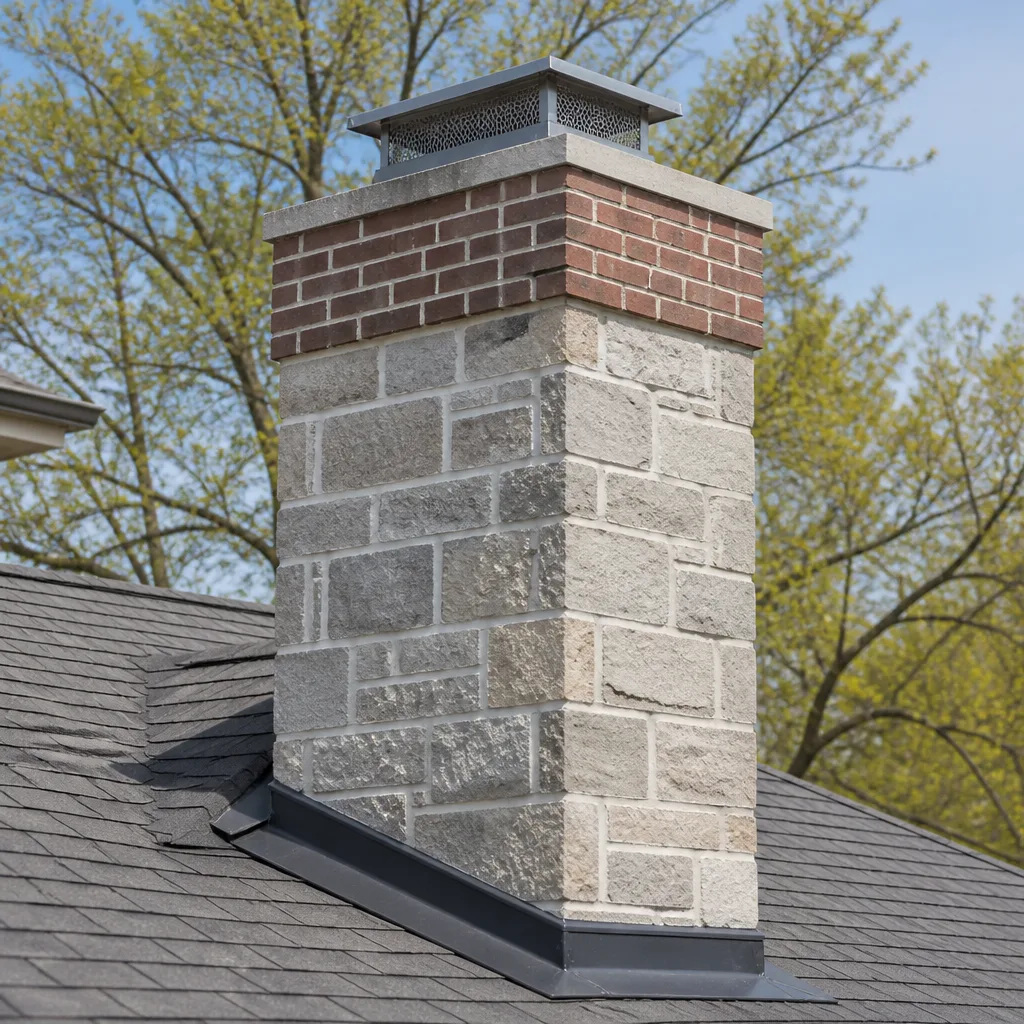 Masonry repair
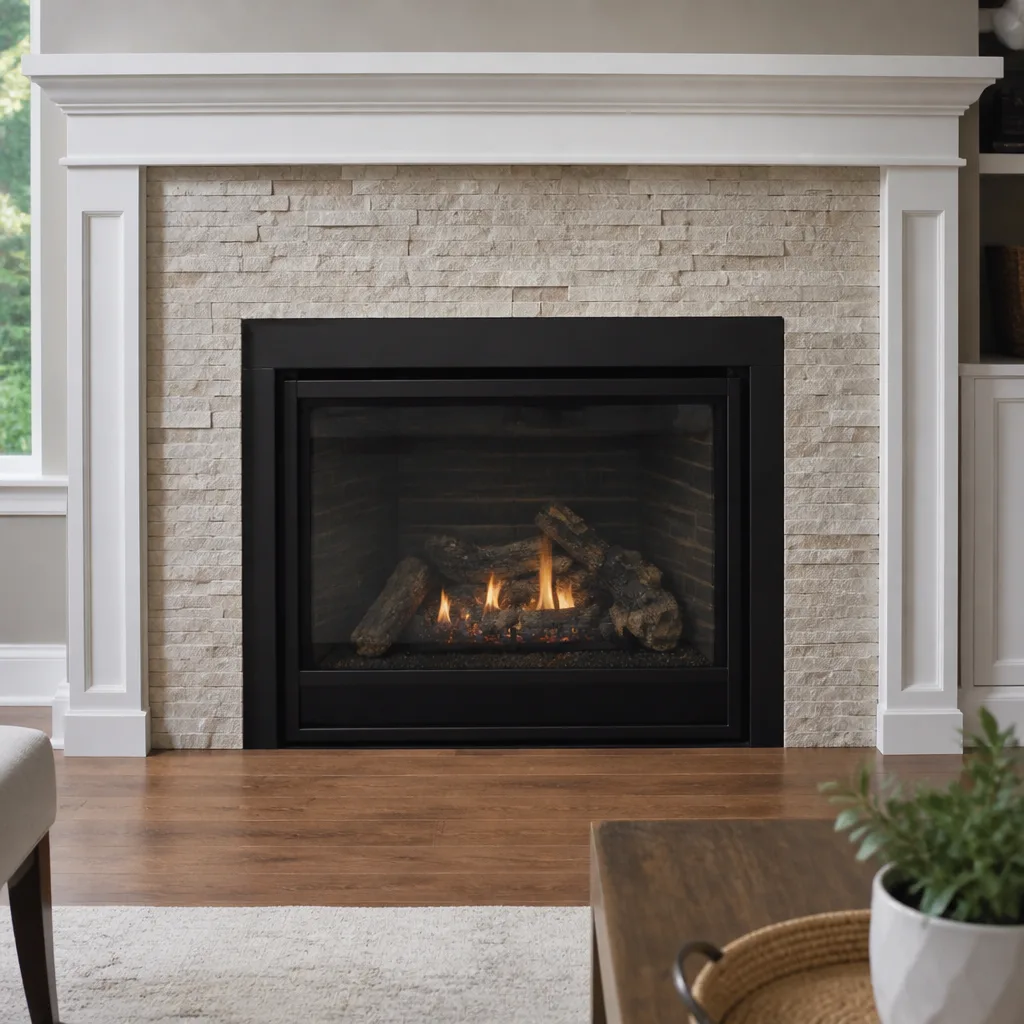 Gas fireplace service
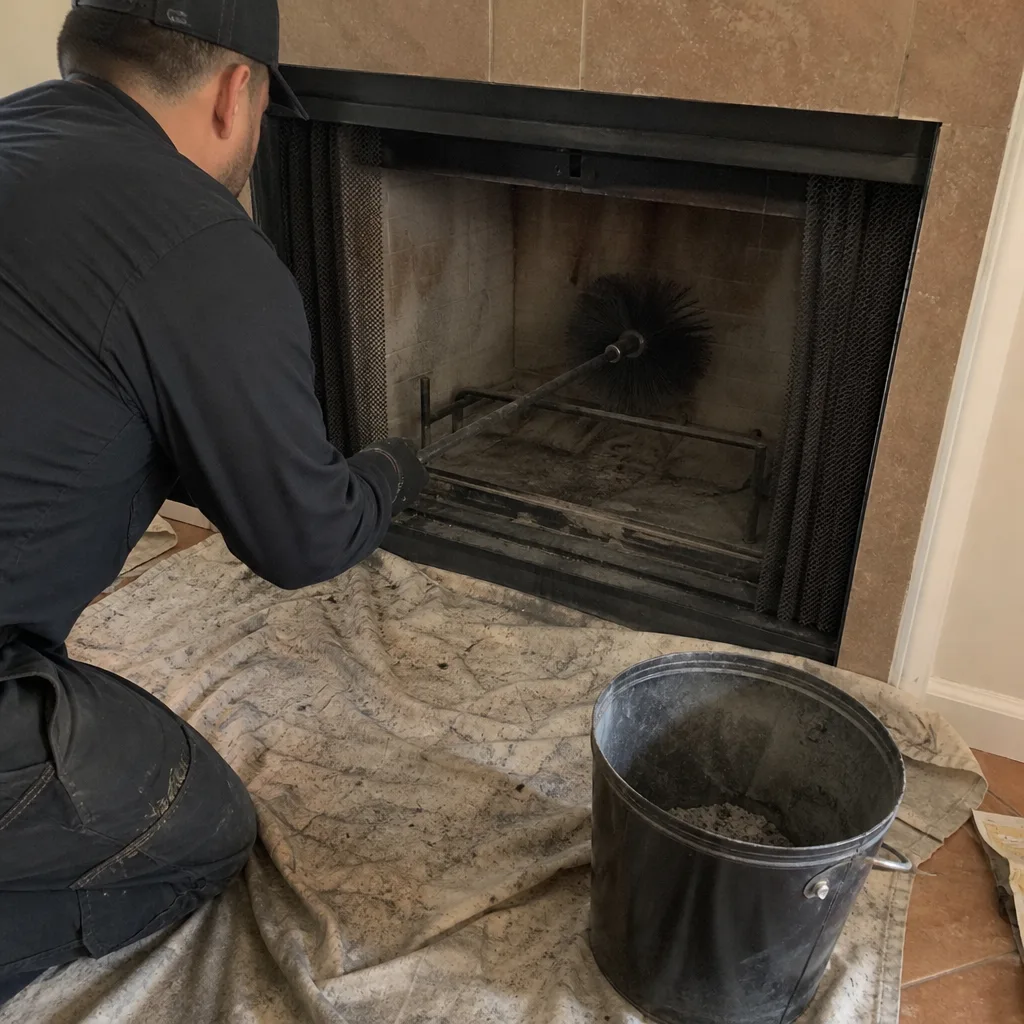
Level 1 sweep and inspection to the NFPA 211 annual standard - flue, crown, cap, and flashing checked and photographed
Chimney sweep logs do not sweep chimneys. They loosen some creosote - which then falls where a brush and vacuum still have to collect it.
Seasonal Chimney Cleaning Care for Westminster: Year-Round Homeowner’s Guide
Most chimney advice you’ll find online was written for places with hard winters. Clean it before the first freeze. Check it after the snow melts. Watch for ice dams. None of that maps cleanly onto Westminster, where fireplace season is roughly October through March, the cold snaps are short and mild, and the real threat to your chimney often arrives quietly in the off-season. Homeowners here don’t get a dramatic seasonal cue to service the flue, so many skip it until a problem announces itself. This guide replaces the generic “clean it before winter” rule with a maintenance rhythm built around Westminster’s actual climate: when to sweep, what to check each month, and how Santa Ana winds and coastal moisture fit into the picture.
Quick Answer
In Westminster, the best time for a pre-season chimney sweep is late September, not November, because our fireplace season starts earlier than most national guides assume and the October Santa Ana winds can load a dirty flue with debris fast. A post-season inspection in March or April catches condensation and moisture damage before summer, and an off-season check in midsummer protects your cap and flue from wildlife and dust accumulation. One professional sweep and inspection per year, timed to that rhythm, keeps most Westminster chimneys healthy.
Styles & brands we work with
- Sweep & inspection
- Caps & crowns
- Flue relining
- Masonry repair
- Gas fireplace service
Table of Contents
- Why Late September Is the Right Pre-Season Window
- Post-Season Moisture: March and April in Coastal Orange County
- Summer Tasks: Wildlife, Caps, and Dry-Season Debris
- How Santa Ana Winds Stress Chimney Caps and Load Debris
- Your Westminster Chimney Calendar, Month by Month
- Wood-Burning vs. Gas Fireplaces: Different Rhythms
- What a Professional Actually Checks (and What You Can Do Safely)
- How to Choose a Chimney Professional in Westminster
Why Late September Is the Right Pre-Season Window
The standard “clean it before winter” advice assumes a hard cold season that arrives in November or December. Westminster doesn’t work that way. Our first cool evenings typically show up in late September and October, and that’s when many homeowners light the first fire of the year. If your flue still carries last season’s soot and creosote when you strike that first match, you’re burning into a compromised system.
Booking your sweep in late September gives you three practical advantages:
- You catch hidden damage before you use it. A summer of heat, dust, and occasional coastal moisture can crack a crown or loosen a cap. A September inspection finds those problems while there’s still time to schedule repair before the fireplace season gets busy.
- You beat the November rush. Chimney professionals across Orange County see a surge in October and November bookings. Scheduling in late September means better availability and a calmer appointment.
- You clear the creosote before the first burn. Creosote buildup is the primary fuel in a chimney fire. Sweeping it out in September means your first fire of the season burns through a clean flue.
A proper chimney sweep in late September also gives you a documented record of the flue’s condition, which matters if you ever sell the home or need to file an insurance claim. In our experience, Westminster homeowners who time their sweep to late September tend to avoid the mid-season scramble, and their systems show fewer surprises.
Post-Season Moisture: March and April in Coastal Orange County
Westminster’s proximity to the coast means our air carries more moisture than inland Southern California. That matters most in March and April, after your last fires of the season and before the dry summer heat takes over. A chimney that sat through a mild, damp spring with soot and ash still inside creates a different kind of problem than a chimney in a cold climate: condensation.
When a rarely used flue system sees fluctuating temperatures and moist air, water vapor can condense on the interior surfaces. Over a few seasons, that condensation accelerates liner wear, especially on older clay-tile liners. It can also rust the damper, soften mortar joints, and stain the firebox. You may not notice any of it until smoke starts backing up.
A post-season inspection in March or April catches these issues early. What we look for:
- Condensation staining or rusty streaks inside the firebox
- Deteriorating mortar joints in the smoke chamber
- Cracks in the flue tiles or liner that open up under moisture cycles
- A damper that no longer seals tight
If the liner shows damage, restoration may be an option. Products like HeatShield are designed to resurface a damaged clay liner without a full relining, when the structural condition allows it. That’s the kind of judgment call a professional makes on-site, with camera evidence you can see. For more involved structural work, chimney repair can address crown cracks, mortar issues, and flashing problems before they spread.
Summer Tasks: Wildlife, Caps, and Dry-Season Debris
Summer in Westminster is dry and still, and that’s exactly when your chimney becomes a quiet target. Birds, squirrels, and other wildlife look for sheltered spots to nest, and an uncapped flue is an open invitation. Debris from eucalyptus, palm, and other trees accumulates on the cap and crown through the dry months. By the time fall arrives, a chimney that sat untouched all summer may have a blocked flue or a cap that no longer seals.
A midsummer check, whether by you from the ground or by a professional, can catch these problems before they compound. Here’s a simple midsummer routine:
- Look at the cap from outside. Is it intact? Are the mesh screens clear? Do you see twigs, leaves, or nests wedged in the openings?
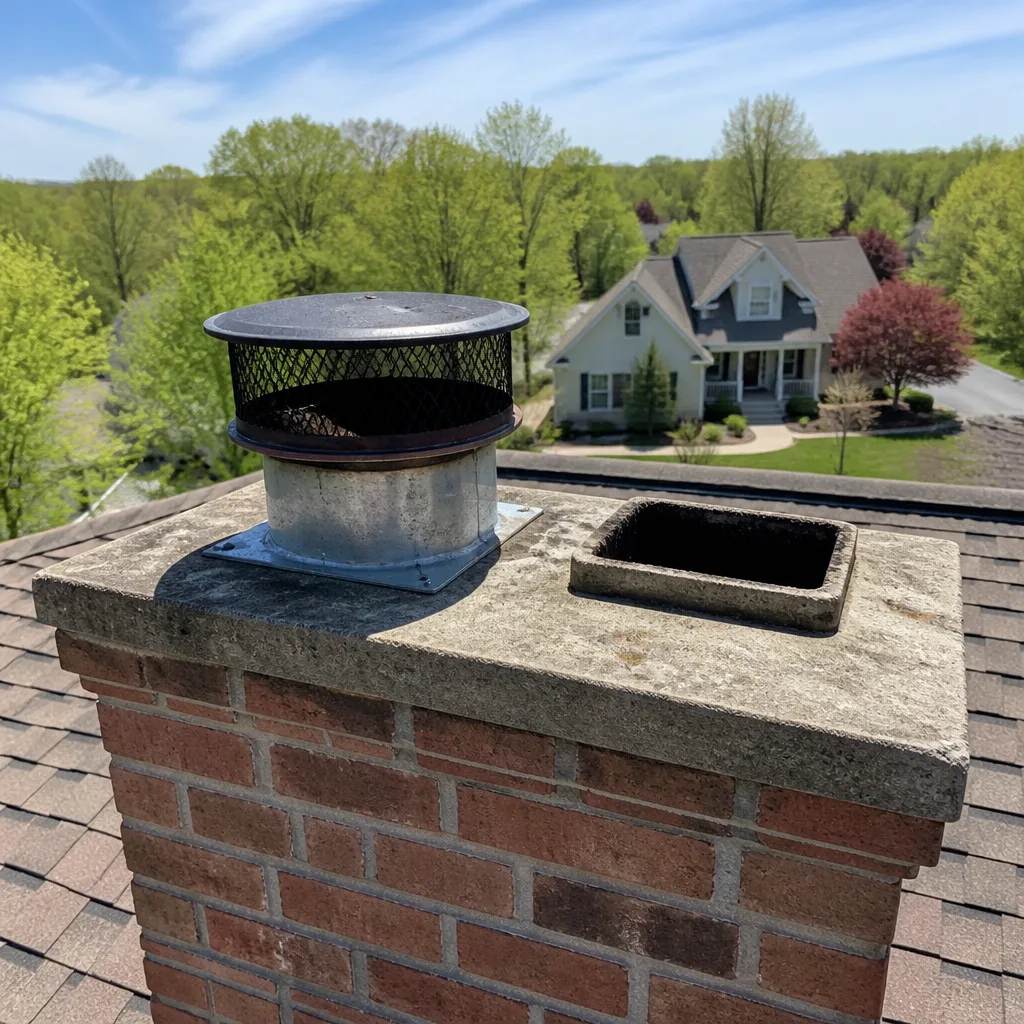
- Check the crown. The crown is the concrete or masonry surface at the top of the chimney. Look for visible cracks, crumbling edges, or missing sections.
- Listen for animal activity. Scratching, chirping, or rustling from inside the flue is a sign a nest is present. Do not light a fire until a professional clears it.
- Check for staining or water damage. Look at the ceiling and walls near the chimney for discoloration that suggests a leak.
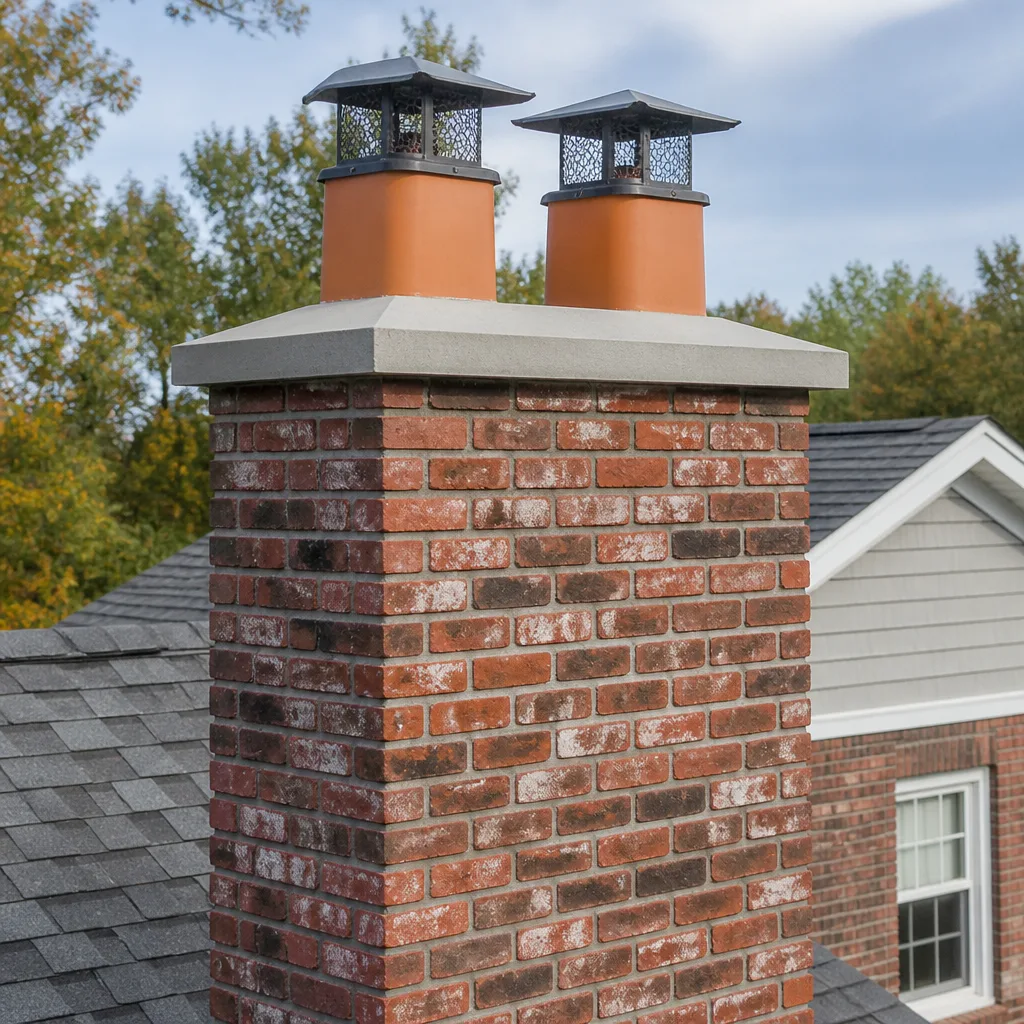
Caps and crowns aren’t add-ons. They’re the difference between a chimney that lasts and one that leaks. Our cap and crown work uses components from Gelco and Olympia Chimney, chosen for their durability in this climate. If your cap is more than a few years old or the mesh looks worn, it’s worth having it inspected before the fall winds arrive.
How Santa Ana Winds Stress Chimney Caps and Load Debris
Santa Ana wind events are a fact of life in Orange County. They typically arrive in October and November, with a second window in February and March. These dry, gusty winds carry dust, ash, and fine debris that can deposit substantial particulate load onto chimney caps and crowns. They also test the physical integrity of every cap and crown on the block.
What a Santa Ana event does to a chimney:
- Debris loading: Wind-driven dust and ash accumulate on the cap mesh and crown surface, reducing airflow and adding weight.
- Cap damage: Loose or aging caps can be lifted, bent, or torn free. Even a cap that stays put may shift enough to break its seal.
- Crown cracking: A crown with hairline cracks can widen when subjected to wind stress and thermal cycling.
- Flue downdrafts: A sudden pressure change can push smoke back into the house when the fire is lit.
The practical lesson: get your cap and crown inspected before the October wind window and again in late winter if the February-March winds have been strong. A missing or damaged cap is one of the most common causes of chimney water intrusion, and once water gets into the masonry, the damage accelerates. Brands matter here. Famco caps and Gelco components are specified by professionals precisely because they hold up to wind and weather, not because they’re the cheapest option at the hardware store.
Your Westminster Chimney Calendar, Month by Month
Here’s a full-year view of tasks matched to Westminster’s climate. This isn’t a rigid schedule; it’s a logical sequence that keeps the chimney in good condition without over-servicing it.
- January: Fireplace season in full swing. Keep an eye on smoke draw. If smoke backs up or the fire burns poorly, stop using it and call a professional.
- February: Second Santa Ana wind window. Check the cap and crown after any significant wind event.
- March: Last fires of the season. Book a post-season inspection for late March or April.
- April: Post-season inspection and any needed fireplace repair. Look for condensation or rust inside the firebox.
- May: Clean out ash and debris. Check cap mesh. If the crown has visible cracks, schedule repair before summer heat.
- June: Midyear look at the cap from the ground. Check for animal nests. Confirm the damper opens and closes freely.
- July: Summer wildlife window. If you hear scratching, call for a professional inspection; don’t try to remove a nest yourself.
- August: Check the cap and crown again. Dry-season debris can be heavy this month. Verify no water stains near the chimney.
- September: Pre-season sweep and inspection. This is the most important appointment of the year.
- October: First Santa Ana wind window. Check that the cap is secure. Light the first fire only after a clean sweep.
- November: Fireplace season underway. Watch for poor draft or persistent smoke.
- December: Use the fireplace as normal. If you skipped the September sweep, don’t burn until you’ve had one.
If you’d rather condense this into two appointments per year, a late-September sweep and inspection plus an April post-season check covers the most important ground. A professional can tell you whether an additional midseason look makes sense for your specific fireplace type.
Wood-Burning vs. Gas Fireplaces: Different Rhythms
Wood-burning and gas fireplaces in Westminster don’t age the same way, and their maintenance calendars differ.
Wood-burning fireplaces produce creosote and soot with every fire. They need a sweep based on usage: typically once a year for a household that burns regularly through the season, more often if you burn frequently or burn green or unseasoned wood. The September sweep is essential for these systems. The flue also needs a visual inspection each year to check for cracks and liner wear.
Gas fireplaces don’t produce creosote in the same way, but they do produce water vapor and mild deposits. A gas fireplace that’s rarely used can still develop rust, corrosion, or debris accumulation in the vent. An annual inspection is still worth doing, and it’s the right time to check the burner, the pilot assembly, and the venting. Some gas venting has specific requirements, and a professional should confirm yours meets them.
For either system, the seasonal logic holds: pre-season check in September, post-season check in spring, midsummer look at the cap. The difference is the depth of the clean. A wood-burning flue that sees regular use needs a full sweep and inspection; a gas fireplace that’s used a few times a year may need a lighter touch. The only way to know is to have it looked at by someone who can see the inside of the flue.
What a Professional Actually Checks (and What You Can Do Safely)
Some chimney maintenance is safe for a homeowner to do from the ground. Climbing onto the roof, opening the firebox, and inspecting the flue interior are not. The risks are real: falls from a roofline, exposure to creosote dust, and the possibility of missing a crack or obstruction that a trained eye would catch.
What you can safely do:
- Check the cap from the ground using binoculars
- Look for water stains near the chimney on interior walls and ceilings
- Confirm the damper opens and closes smoothly
- Keep the area around the hearth clear of combustibles
- Listen for animal sounds in the flue
What a professional inspects during a sweep:
- The firebox and smoke chamber for cracks and buildup
- The damper for proper operation and seal
- The flue interior, using a camera where needed, for creosote levels, cracks, and blockages
- The crown and cap for cracks, missing mortar, and mesh damage
- The flashing and roof penetration for water entry points
- The exterior masonry for spalling, efflorescence, or loose bricks
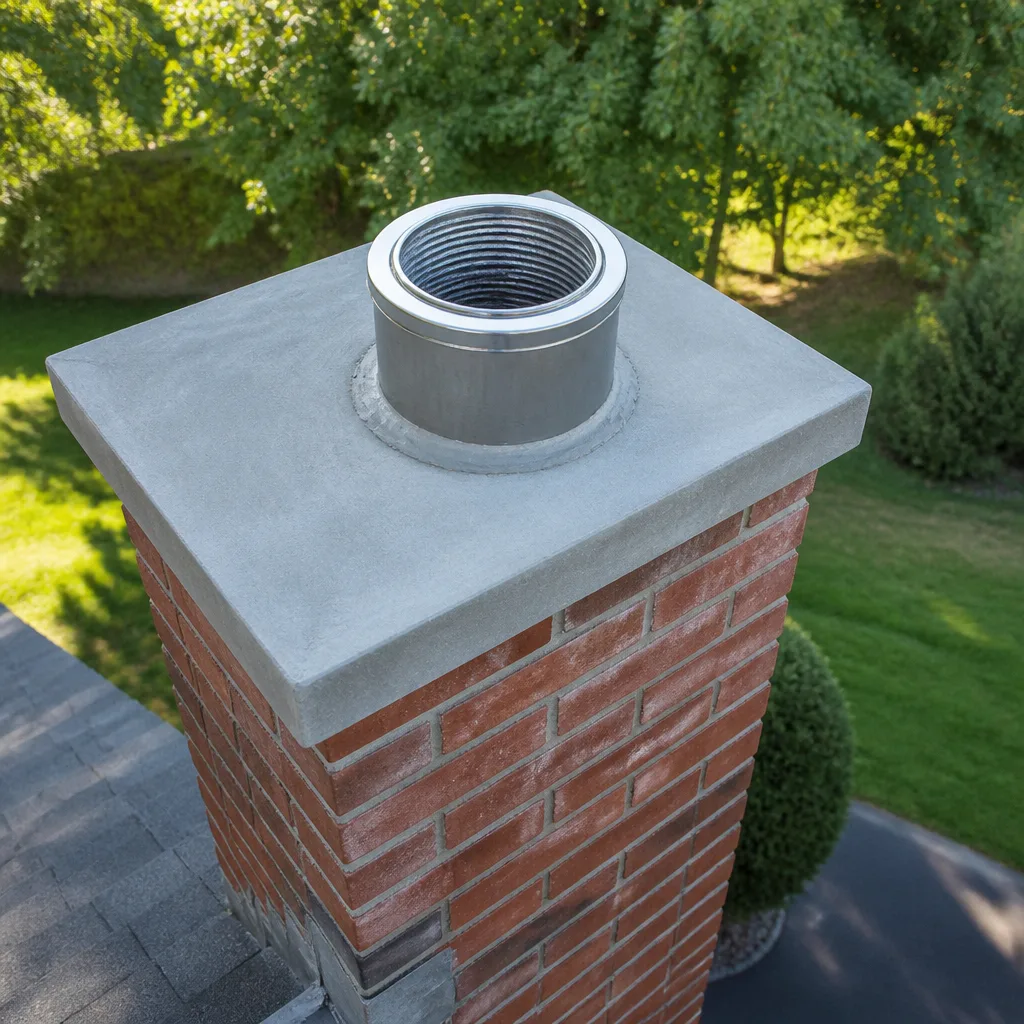
A sweep is a starting point. We inspect, repair, and protect what comes next. If the flue shows significant liner damage, we may recommend HeatShield restoration or a DuraFlex liner system. We’re authorized to install and work with DuraFlex flexible flue liner systems, and we use HeatShield for liner restoration where the structure allows. We name the brands we install because you should know what’s going into your home. HeatShield and DuraFlex capability means we can handle liner restoration and relining that many basic sweep companies can’t.
How to Choose a Chimney Professional in Westminster
Not every chimney sweep offers the same scope, and the differences matter when something goes wrong. Here’s what to ask before you book.
- Do they inspect before recommending? A trustworthy professional uses a camera and shows you what they see. You shouldn’t be told you need work you can’t verify.
- Do they offer repairs and relining in-house, or do they hand you off? A company that sweeps, inspects, repairs, and installs caps can carry the job through without sending you to a second contractor.
- What brands do they work with? Professionals who specify DuraFlex, HeatShield, Olympia Chimney, Gelco, Famco, and Copperfield are working from trade-grade supplier lines, not retail parts. Ask what they plan to install and why.
- Can they handle cap and crown work? Caps and crowns address the two most common causes of chimney water intrusion, and a company that handles them in-house is better positioned to prevent water damage before it starts.
- Do they explain what can wait? An honest professional will tell you when work can safely be deferred. If everything is urgent, that’s a red flag.
Chimney Sweep Westminster Pros offers five core services: chimney sweep, chimney inspection, fireplace repair, chimney repair, and cap and crown installation or replacement. That range means one team, one standard, from the firebox to the crown. If you’re comparing options, ask about brand relationships, camera use, and whether the company can handle a repair if the inspection turns one up.
Common Mistakes to Avoid
- Waiting until November to book a sweep. Westminster’s fireplace season starts earlier than most national guides assume. By November, you’re likely already burning into a dirty flue, and booking a sweep during the peak demand window is harder.
- Skipping the post-season check entirely. A spring inspection catches condensation and moisture damage that won’t show up until it’s a bigger, more expensive repair. Coastal Orange County moisture makes this step more important here than in dry inland areas.
- Ignoring the cap between Santa Ana events. Wind-driven debris can clog mesh and loosen caps. A quick visual check after each wind event prevents a small fix from becoming a water intrusion problem.
- Assuming a gas fireplace needs no service. Gas systems still accumulate debris, and the venting should be checked. An annual inspection is worth the time, especially for rarely used units.
- Trying to clear a wildlife nest without professional help. Nests can block the flue entirely and the material is often flammable. A professional removes it safely and checks for damage.
- Burning unseasoned wood. Green or damp wood produces more creosote and more smoke. It’s a common cause of rapid buildup in Westminster’s mild, moist air.
- Choosing a sweep based on price alone. A quote that doesn’t include an inspection, a camera check, or a written record of what was found isn’t necessarily saving you money. The scope matters more than the bottom line.
See the difference
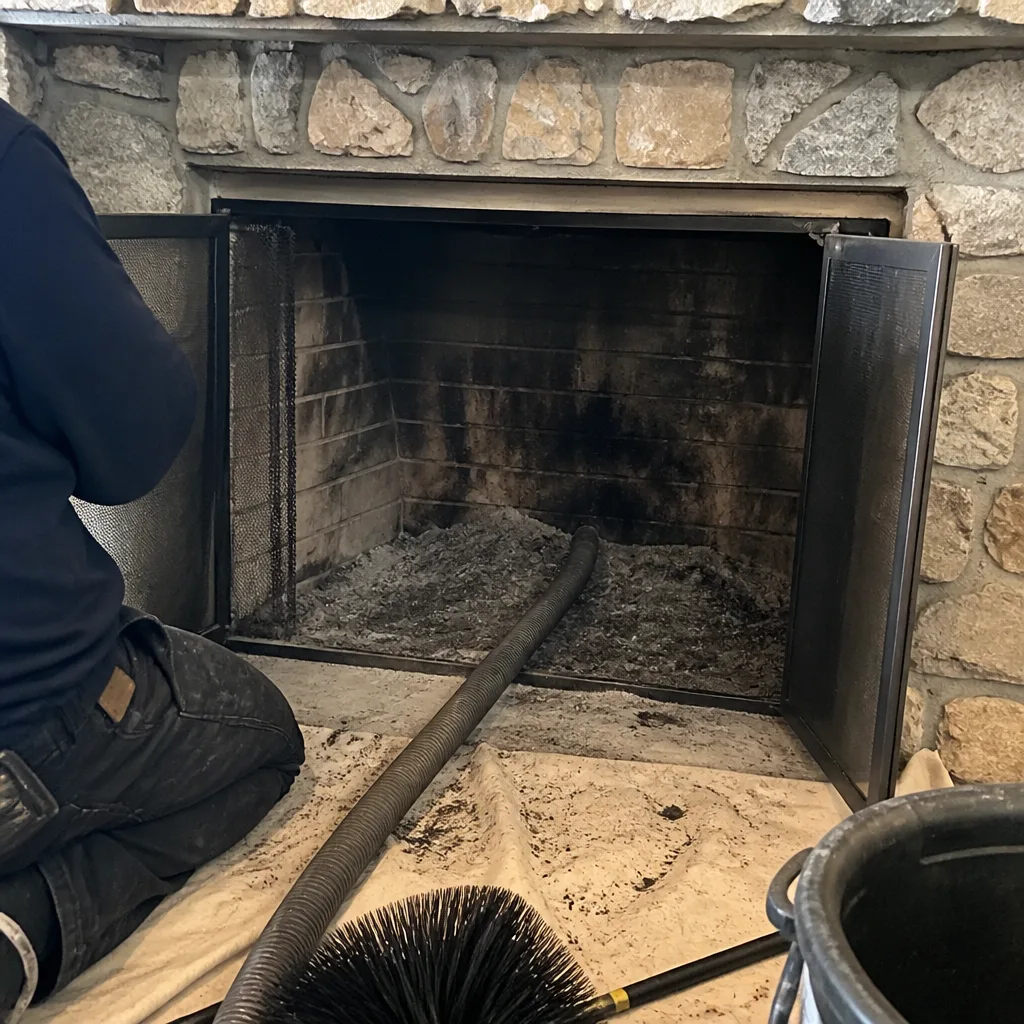 Before
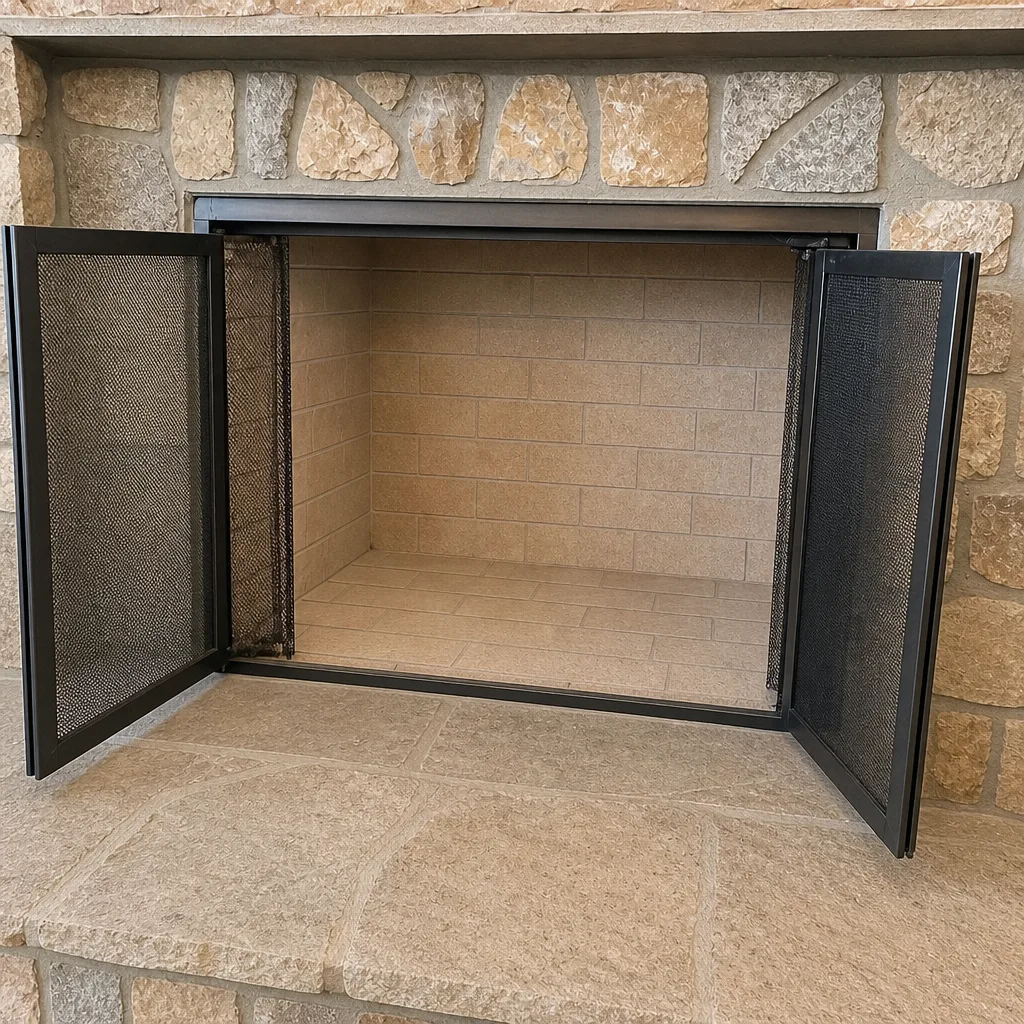 After
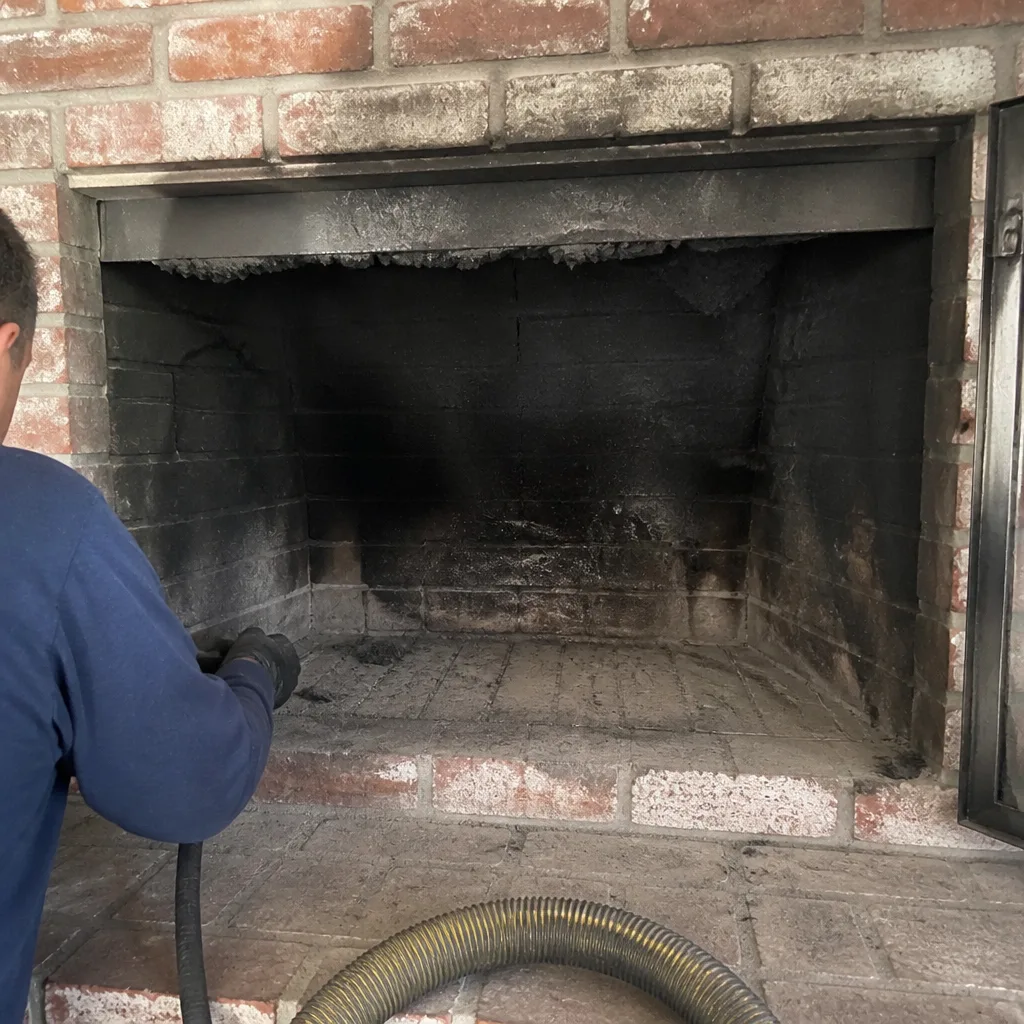 Before
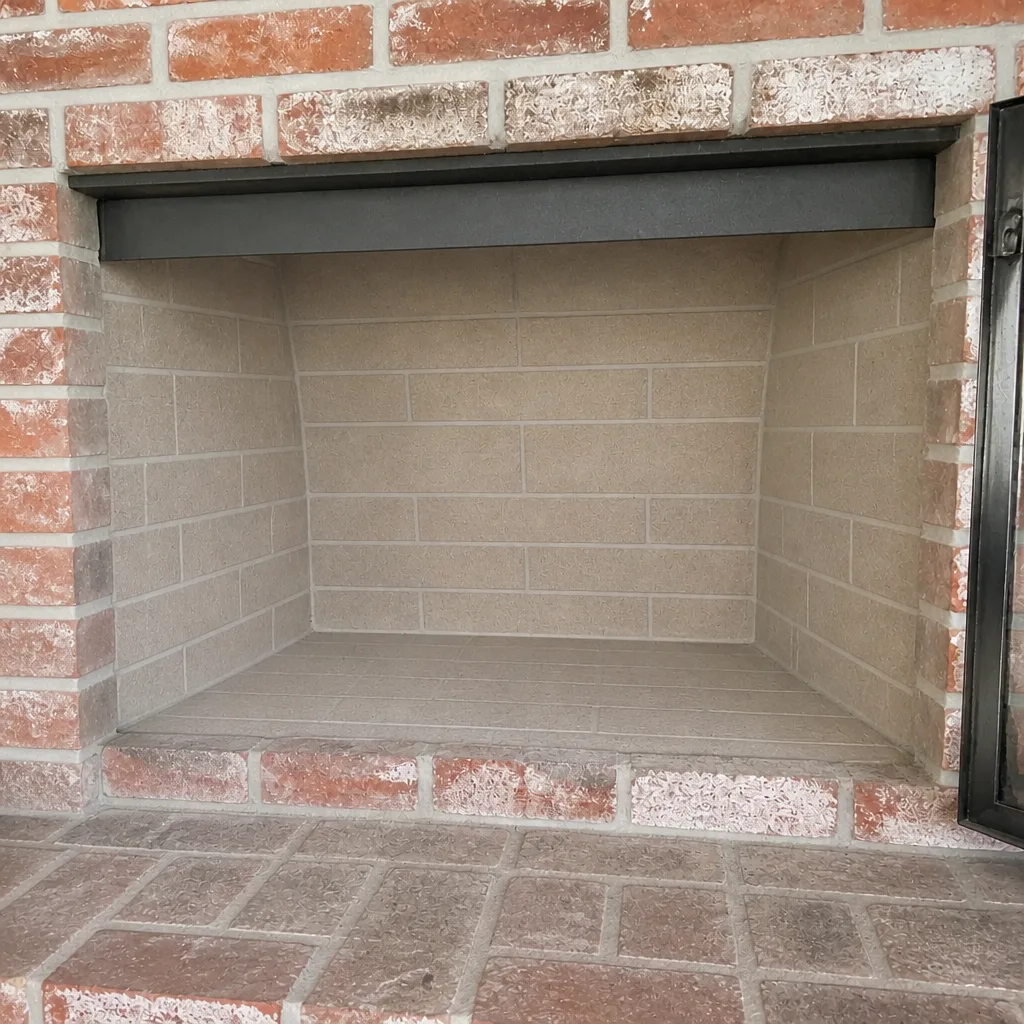 After
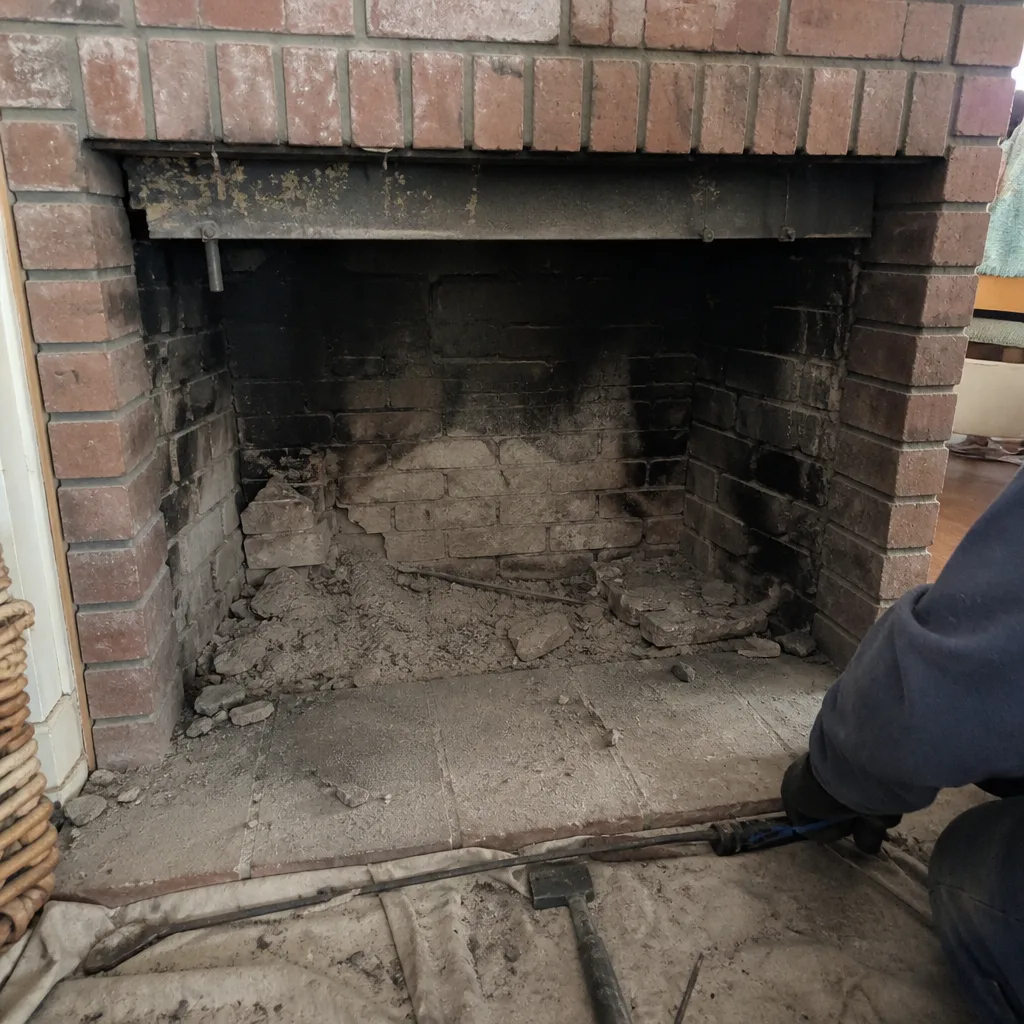 Before
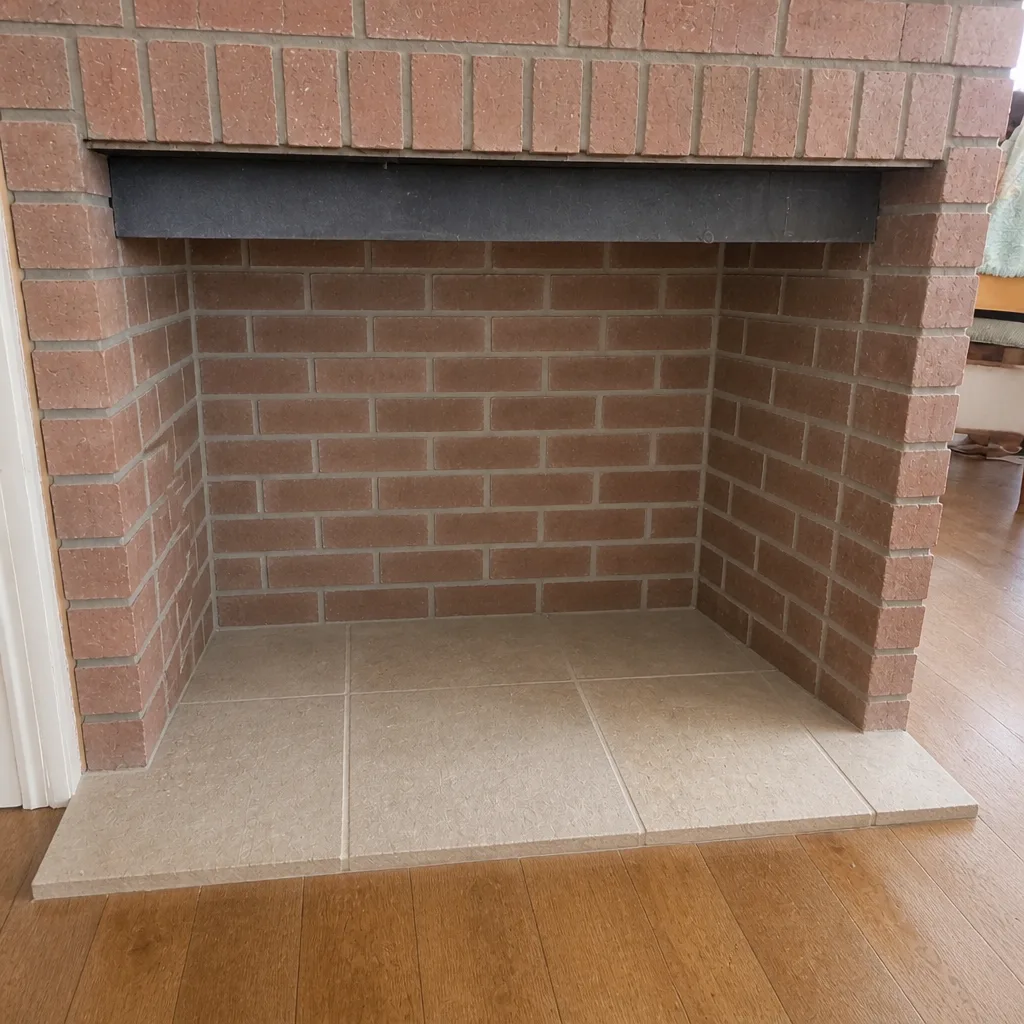 After
When to Call a Professional
Some chimney issues are obvious; others are invisible until they cause a problem. Call a professional if any of these apply: you smell a strong creosote or smoky odor in the house even when the fireplace is off; you see water stains on the ceiling or walls near the chimney; the damper won’t open or close; smoke backs into the room when you light a fire; you hear scratching or chirping from the flue; the cap or crown looks damaged from the ground; or it’s been more than a year since your last sweep. A professional inspection can confirm what’s happening and tell you whether it can safely wait. Chimney Sweep Westminster Pros offers free estimates in Westminster. We answer 24/7, and fast dispatch from 7am to 7pm, Sunday through Friday. Call (833) 482-6197.
Frequently Asked Questions
Most Westminster chimneys should be swept once per year, timed to late September or early October, with a post-season inspection in March or April. If you burn frequently or use unseasoned wood, you may need more frequent sweeps. A professional can tell you the right interval based on what’s inside your flue.
Late September is better because Westminster’s fireplace season typically starts in late September or October, and the October Santa Ana winds can load a dirty flue with debris quickly. A September sweep means your first fire burns through a clean flue, and you avoid the November booking rush that most chimney professionals see.
Yes, because coastal Orange County moisture can create condensation inside a rarely used flue, and that condensation accelerates liner wear over time. A spring inspection catches moisture damage early, before it becomes a structural repair. Even a few fires leave deposits that can hold moisture.
Santa Ana winds carry dust and debris that load up chimney caps and crowns, and the gusts can loosen or damage a cap that’s already aging. After each wind event, it’s worth a visual check. If the cap or crown looks damaged, have it inspected before the next rain or the next fire.
Sometimes, yes. HeatShield liner restoration can resurface a damaged clay liner when the structural condition allows it. A professional needs to inspect the flue with a camera first to confirm whether restoration is appropriate. If the damage is too extensive, a DuraFlex liner system may be the better option.
Creosote builds up in the flue with each fire, and it’s the primary fuel in a chimney fire. A blocked or damaged flue also affects how smoke and carbon monoxide vent from your home. Skipping service for more than a year increases the risk of both. Call (833) 482-6197 for an inspection; estimates are free.
The Bottom Line
Westminster’s mild climate doesn’t remove the need for annual chimney care, it changes the timing. The right rhythm here is a late-September sweep, a March or April post-season inspection, and a midsummer check on the cap and crown, with attention to the Santa Ana wind windows in October and February. That sequence catches creosote before the season, moisture damage after it, and wind or wildlife damage in between. A professional with camera inspection, brand-specific liner and cap expertise, and the scope to handle repair, not just sweeping, keeps the whole system covered. If it’s been more than a year since your last service, or you’re not sure when your last sweep happened, start there. Chimney Sweep Westminster Pros handles everything from the firebox to the crown, and we’re glad to take a look.
Call (833) 482-6197 for a free estimate. We answer 24/7. Fast dispatch from 7am to 7pm, Sunday through Friday.
Written by the team at Chimney Sweep Westminster Pros.