
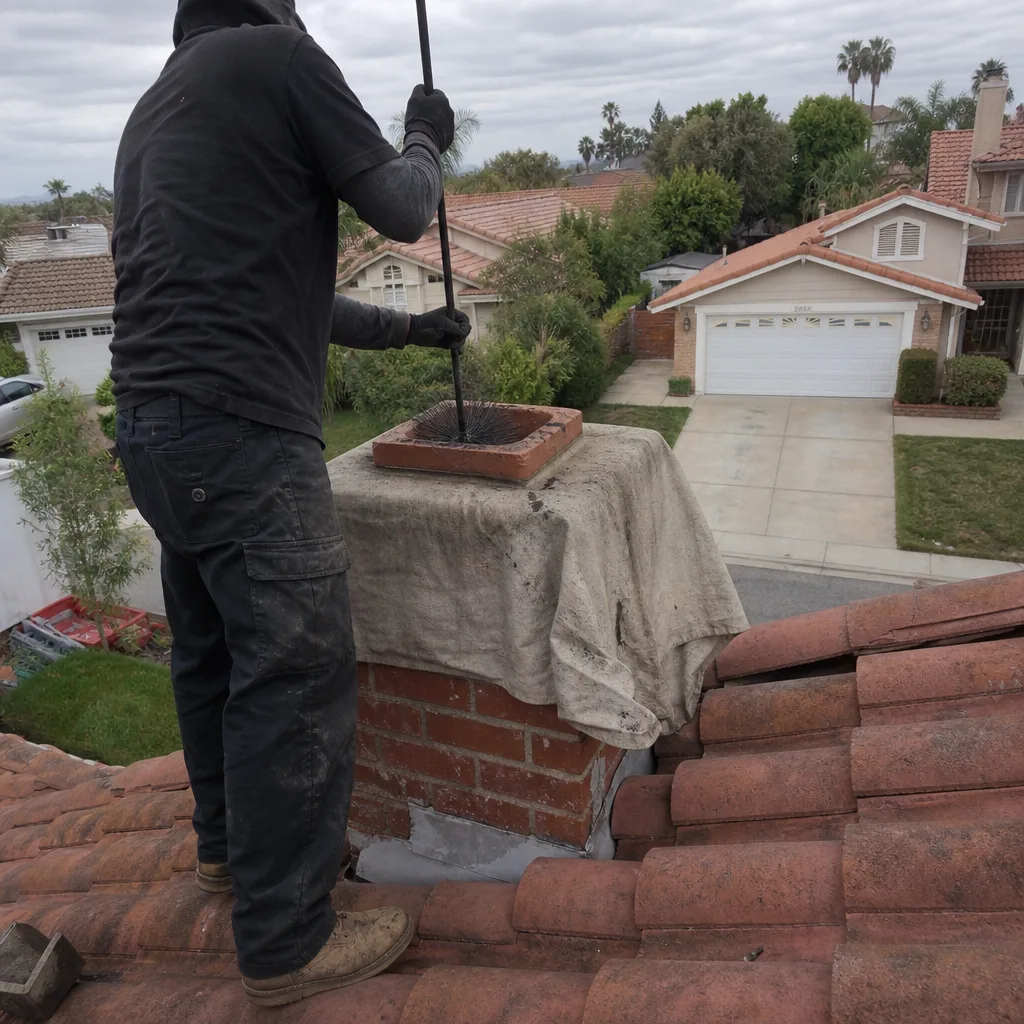
Last updated November 25, 2026
 Sweep & inspection
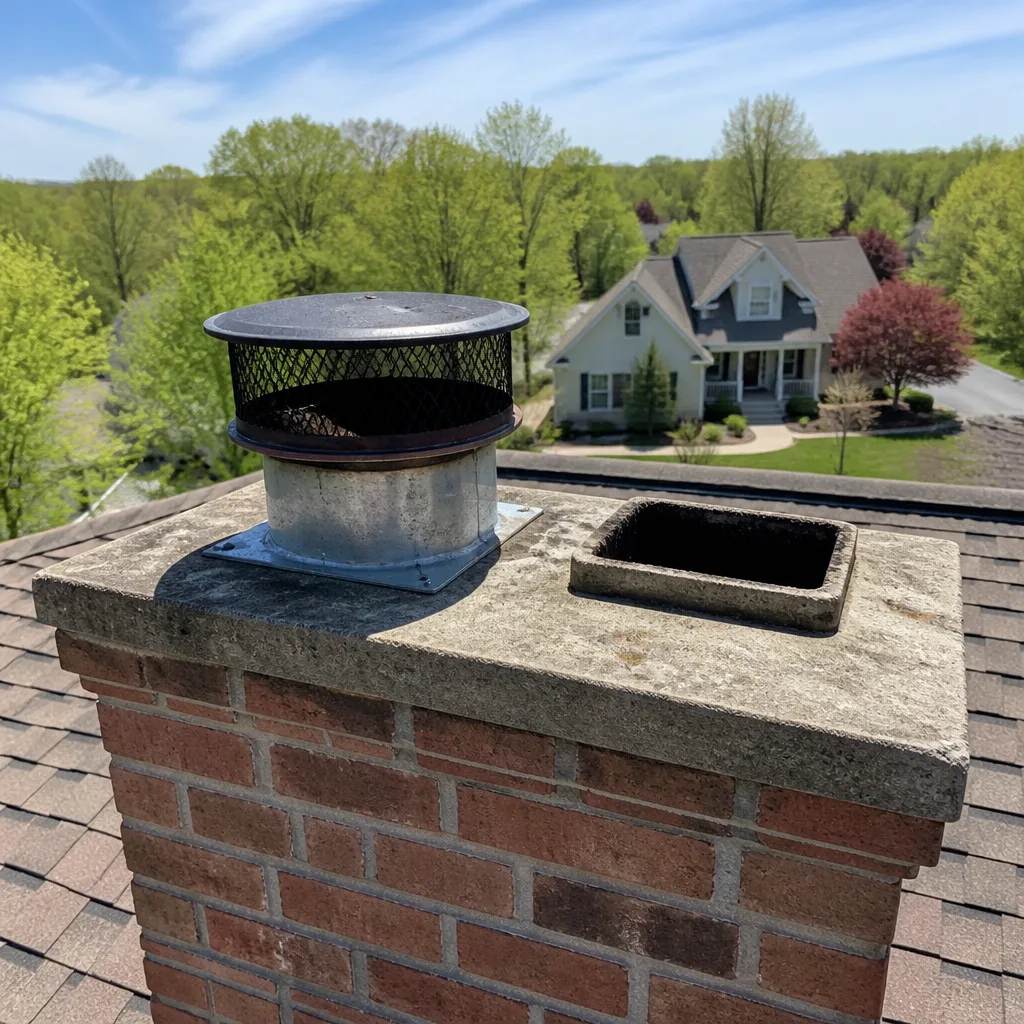
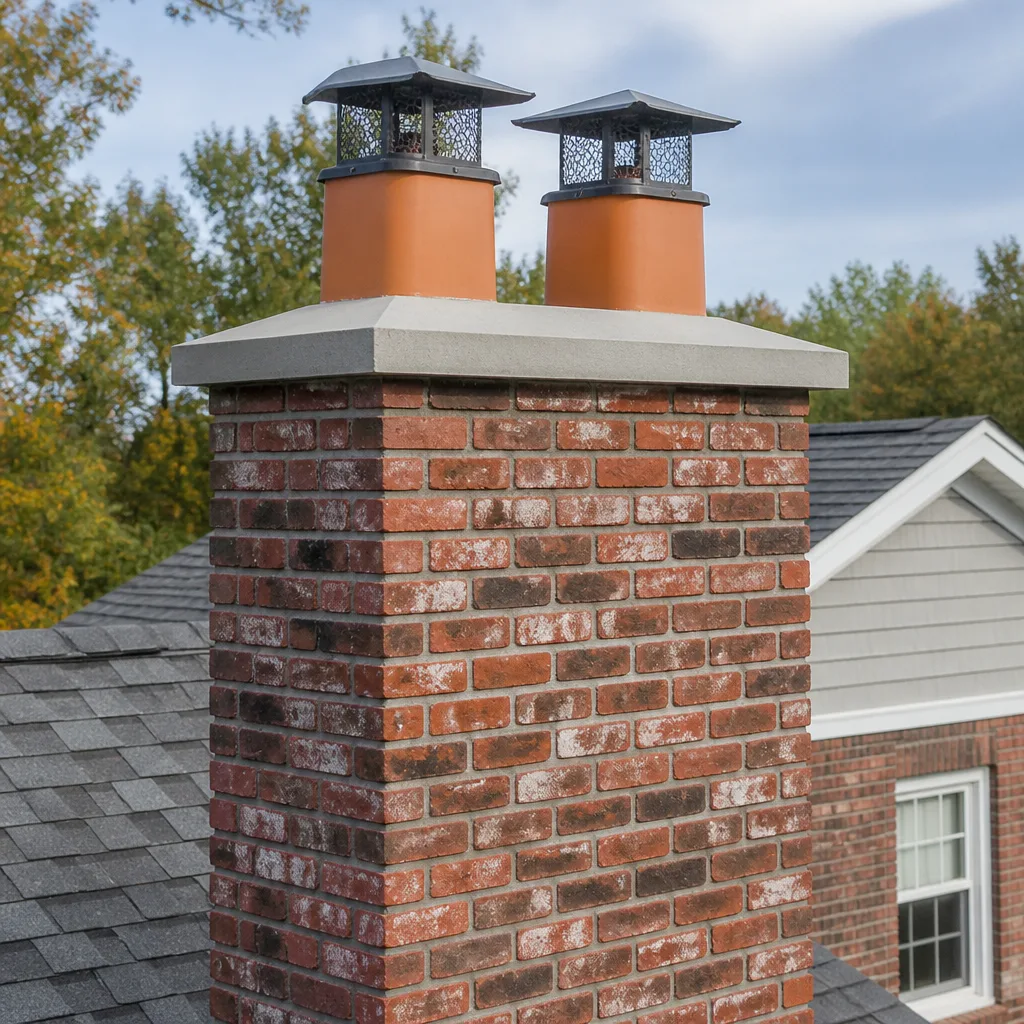 Caps & crowns
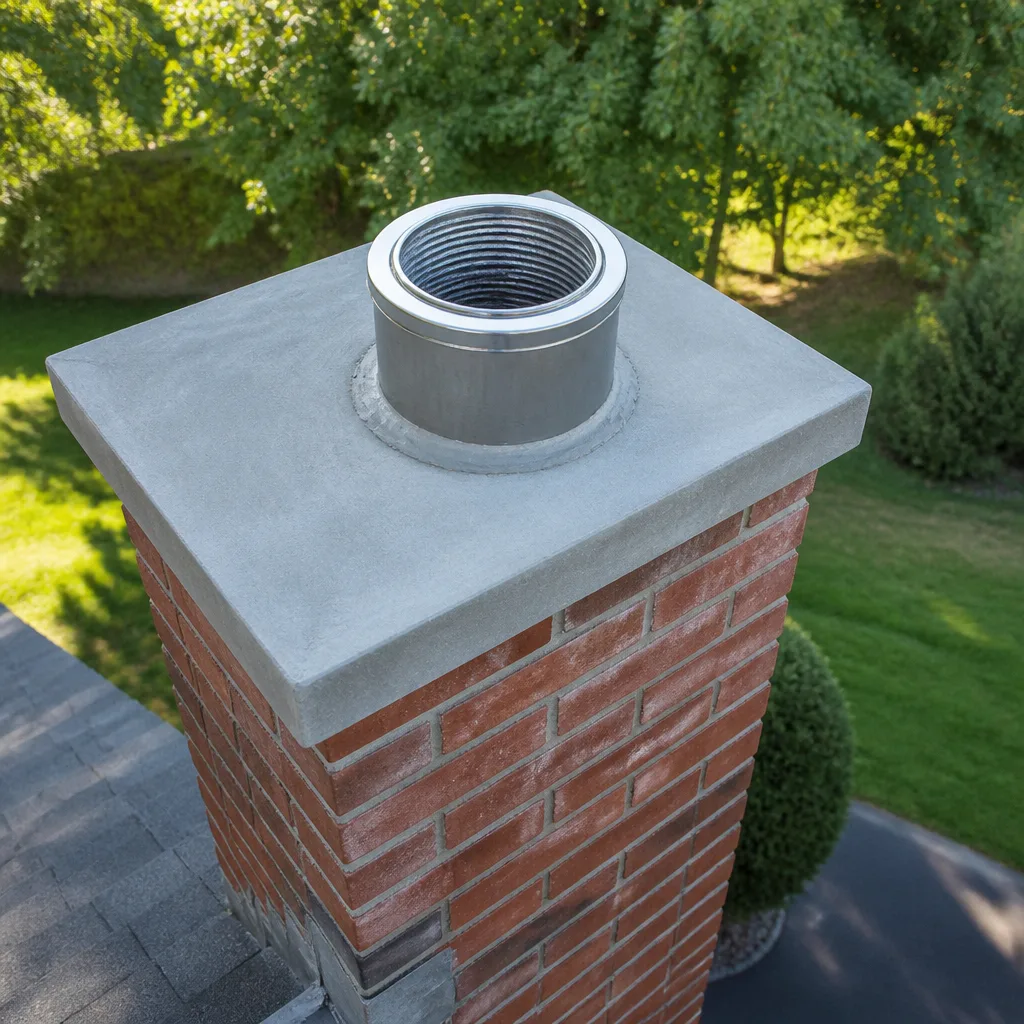 Flue relining
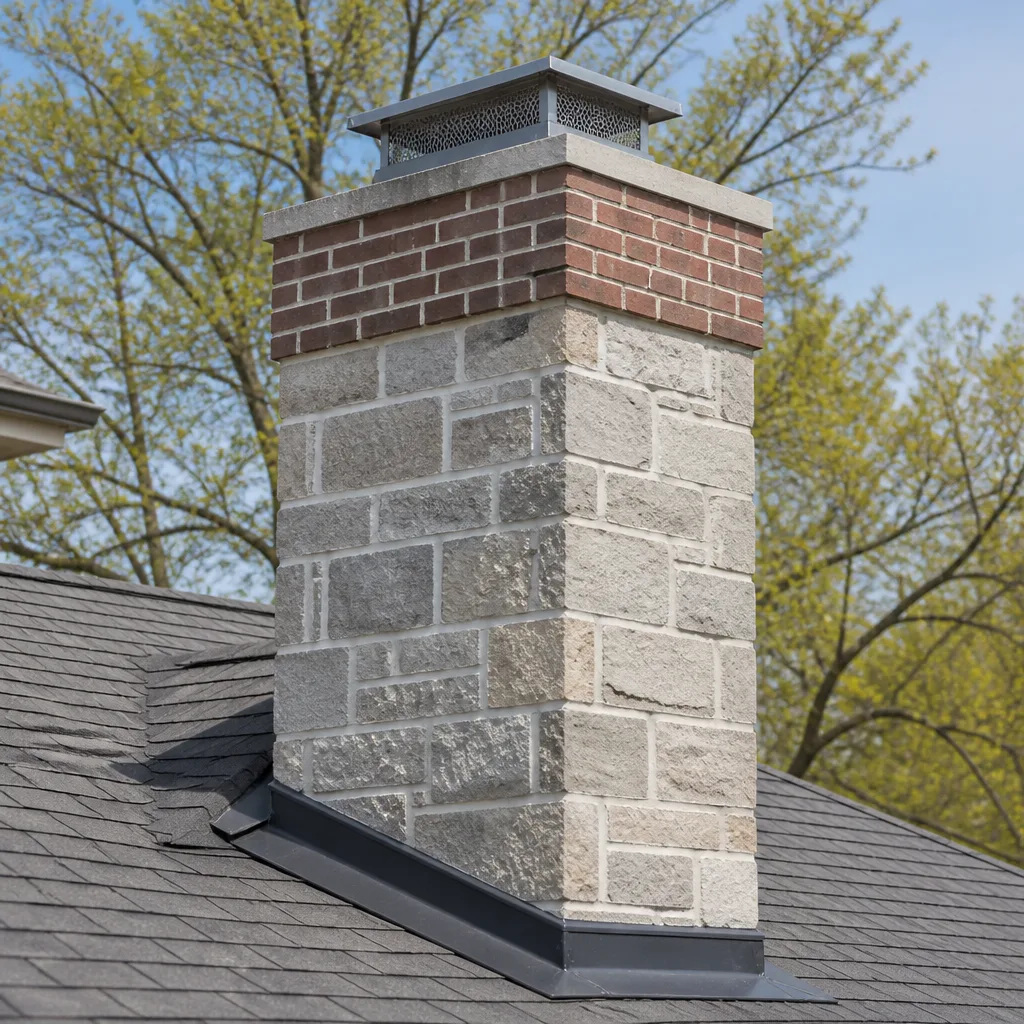 Masonry repair
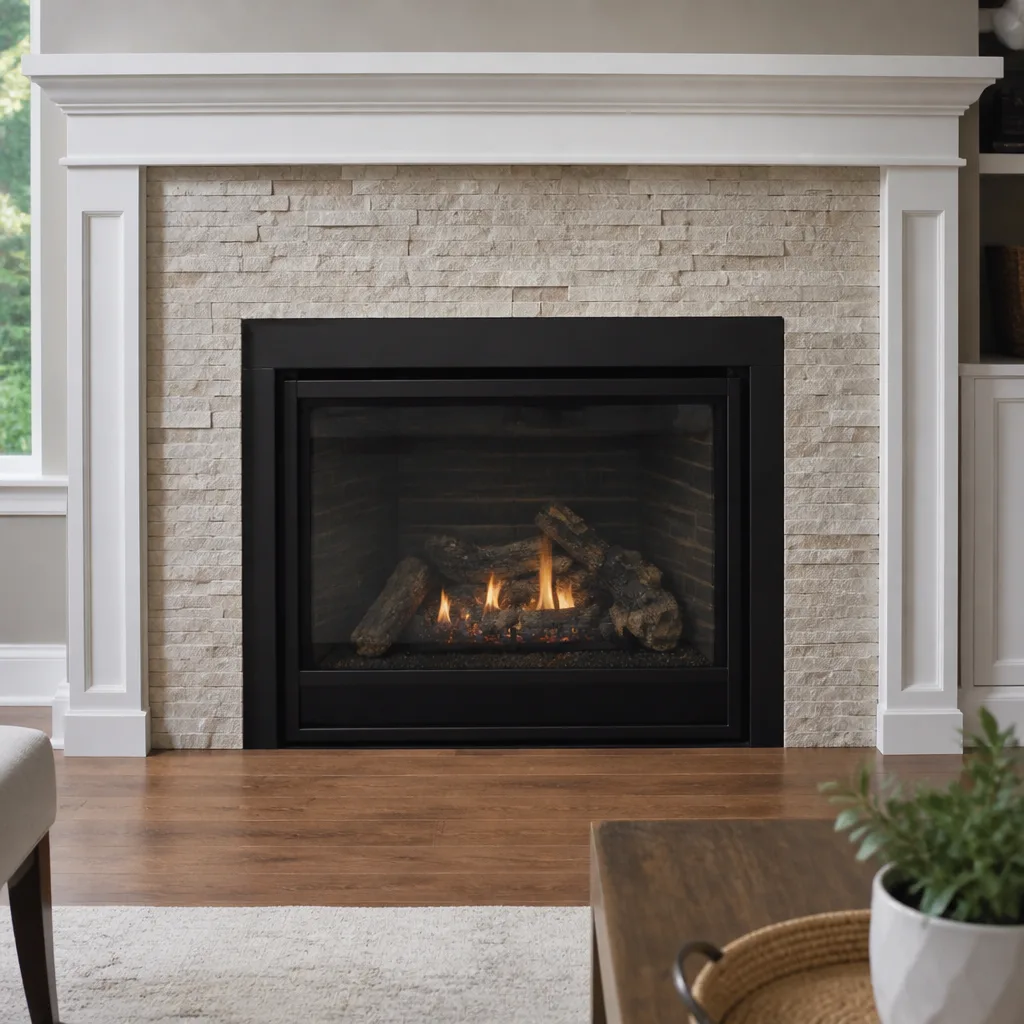 Gas fireplace service
Level 1 sweep and inspection to the NFPA 211 annual standard - flue, crown, cap, and flashing checked and photographed
Chimney sweep logs do not sweep chimneys. They loosen some creosote - which then falls where a brush and vacuum still have to collect it.
DIY vs Professional Chimney Cleaning: The Westminster Homeowner’s Decision Guide
You can buy a chimney brush kit online for about $45 and physically knock soot off the walls of your firebox. That part is real, and we won’t pretend otherwise. What that kit cannot do is tell you whether the creosote higher up in the flue has hardened into a glassy, flammable glaze, whether your liner has a hairline crack quietly venting combustion gas into the framing, or whether your cap has been letting rainwater into the smoke chamber for two winters running. That’s the honest gap between DIY and professional cleaning. This guide breaks down exactly what do-it-yourself brushing accomplishes, what it structurally cannot reach, and how a Westminster homeowner should decide which route fits their chimney this year.
Quick Answer
DIY chimney cleaning removes surface soot from the firebox and the lower flue that you can physically reach with a consumer brush, and nothing more. Professional cleaning covers that same ground plus the smoke chamber, upper flue, liner condition, cap and crown, using rotary equipment and camera scopes a homeowner can’t buy at a hardware store. For most Westminster homes with a wood-burning fireplace, a professional sweep plus inspection is the right call at least once a year; a careful interim brush between professional visits is reasonable only in narrow circumstances we explain below.
Styles & brands we work with
- Sweep & inspection
- Caps & crowns
- Flue relining
- Masonry repair
- Gas fireplace service
Table of Contents
- What DIY Chimney Cleaning Actually Accomplishes
- What DIY Cannot Reach: The Other 60%
- The Tools Professionals Use That You Can’t Buy
- Westminster HOA and Insurance Realities
- The One Case Where an Interim DIY Brush Makes Sense
- How to Tell a Real Sweep From a Brush-and-Leave Visit
- Common Mistakes to Avoid
- When to Call a Professional
What DIY Chimney Cleaning Actually Accomplishes
Let’s be precise, because this is where most DIY-versus-pro arguments go off the rails. A homeowner with a proper brush, rods, and a shop vac can accomplish four things, and they’re worth naming clearly:
- Remove loose soot and light ash from the firebox floor and walls.
- Brush the first several feet of flue above the damper, assuming the rod length reaches.
- Clear obvious bird nests or leaf debris from the flue opening when the cap is missing or damaged.
- Wipe down the firebox face and hearth so the fireplace looks clean between uses.
That covers roughly 40% of what a full professional cleaning does, and it’s the least technical 40%. The brushing motion itself is not difficult; the challenge is everything the brush is supposed to do once it’s inside the flue, and everything a trained technician is supposed to notice while the brush is in there.
Here’s the part that surprises most Westminster homeowners: creosote doesn’t accumulate evenly. It builds in layers, and the layers that matter most to fire safety form above the smoke chamber, well past the reach of a standard consumer brush. You can scrub the firebox until it gleams and still be sitting under three years of hardened glaze in the upper flue. That’s not a knock on your effort. It’s just the geometry of a chimney.
If your chimney hasn’t been looked at by a technician in a few years, a homeowner brush doesn’t reset the clock. It leaves the same deposits in place and gives you a cleaner firebox to look at, which can create a false sense that the chimney is handled for the season. It isn’t. That’s the trap.
What DIY Cannot Reach: The Other 60%
The remaining work a professional cleaning covers is the part that actually determines whether your chimney is safe to use. It falls into five categories, none of which a homeowner with a brush can meaningfully address:
- The smoke chamber. This is the tapered space above the damper and below the flue. It’s corbelled, which means it has angled surfaces that trap soot and creosote in ways the firebox never will. Brushing it evenly requires specialized tools, and assessing it requires seeing it. Most homeowners don’t even know it exists until a technician points a light at it.
- The upper flue and any offsets. Many Westminster chimneys have an offset or a bend above the roofline. A straight brush on a flexible rod cannot scrub an offset properly, and it certainly can’t tell you what condition the liner is in where the offset sits.
- Liner condition. A clay tile liner can crack, spall, or separate at the joints. A stainless liner will show wear, corrosion, or fastener issues. Both are invisible from the firebox. If the liner has failed, combustion gases and heat are reaching the framing of your home instead of the outdoors, and no amount of brushing changes that.
- The cap and crown. The cap is the metal or mesh assembly at the top; the crown is the concrete or mortar surface that slopes away from the flue. A cracked crown or a missing cap is the leading cause of chimney water damage, and both are best inspected from the roof, not from the firebox.
- The firebox itself and the damper. Hairline cracks in firebox brick, a warped damper, or a grate that’s pulling away from the walls are all things a technician flags during a sweep. A homeowner can spot the obvious ones and miss the subtle ones.
Notice that three of those five (smoke chamber, upper flue, liner) are physically above where a consumer brush reaches. The other two (cap and crown) are outside the house entirely. That’s the structural incompleteness of DIY cleaning. You’re cleaning the room, not inspecting the building.
The Tools Professionals Use That You Can’t Buy
The tool gap between a homeowner and a trained sweep isn’t as large as the equipment gap, but it’s still decisive. The most important professional-only tools fall into three groups.
Rotary sweeping systems. Consumer brushes are hand-driven and sized for the firebox opening. Professional sweeps use rotary systems driven by a drill or dedicated power head, with whip heads and rod ends sized for the flue interior. These scrub creosote off the liner walls evenly instead of only at the contact point of a hand-pushed brush. On a chimney with any age on it, that difference matters.
Camera scopes. A technician can insert a chimney camera or scope to see the interior of the flue and smoke chamber in real time. That’s how we can show a homeowner exactly what we’re seeing, rather than describing it and asking them to trust the description. It’s also how we can document the condition of the flue for an insurance claim, an HOA question, or a future buyer’s inspection. If your sweep can’t show you pictures or a scope view of the flue, you’re getting a brush-and-leave visit, not a real inspection.
Chemical treatment for hardened creosote. When creosote reaches what’s called Stage 3 (glazed, hardened, glass-like), a brush alone will skate across it rather than remove it. Professional sweeps use chemical treatments that soften and break down hardened creosote over time, then return to remove it. Those products aren’t a consumer product; they’re trade-only. We source ours through professional supply lines like Famco and Copperfield, which is part of what separates a trade-grade job from a hardware-store job.
Beyond tools, professional sweeps also bring the training to interpret what they see. A camera image of a hairline crack means nothing without someone who can tell you whether it’s cosmetic, structural, or a reason to stop using the fireplace immediately. That judgment call is the actual service. The brushing is just the delivery mechanism.
Westminster HOA and Insurance Realities
Westminster has a mix of housing stock, and the HOA context is more relevant than most homeowners realize. Many HOAs in the area have rules on fireplace use, chimney maintenance documentation, and exterior chimney appearance, and those rules aren’t always obvious until there’s a problem. If you’re in a condominium, townhome, or a single-family community with an architectural review committee, check your CC&Rs before you spend money on any cap, crown, or exterior chimney work. Some will require an approval before exterior components are changed. A professional sweep can generally tell you what’s standard for the area and what needs HOA sign-off, which is one more quiet reason to work with someone local.
On the insurance side, the picture is more consistent. Many homeowners’ policies require documented professional service for fireplace-related claims. That means a receipt, a description of the work, and ideally photo or camera documentation of the chimney’s condition before and after. A DIY sweep leaves you with a shop vac full of soot and nothing an adjuster can work with. If a chimney fire were to happen, or if a slow water leak from a bad crown caused hidden rot, the difference between a documented professional service history and a DIY history can be the difference between a covered claim and a prolonged fight. We’re not telling you what your specific policy says; we’re telling you that you should read it with this question in mind, and that a documented sweep is the safer position to be in either way. Some policies also require an inspection on a set interval, so it’s worth asking your agent what documentation they expect to see.
Westminster’s climate is mild, which is relevant here in a way that surprises people from colder parts of the country. We don’t have a deep freeze season forcing chimneys through dramatic temperature swings. What we do have is a marine layer and occasional rain events that put real pressure on caps and crowns over the years. A chronic drip into an unlined smoke chamber is the slow kind of damage that shows up as a musty smell, then staining on the ceiling below, then rot. That’s exactly the kind of slow leak a professional inspection is designed to catch, and it’s exactly the kind of thing a firebox-only DIY sweep will never see.
The One Case Where an Interim DIY Brush Makes Sense
We’re not absolutists. There is one situation where an interim DIY brush between professional cleanings is genuinely reasonable, and it’s narrower than most homeowners would guess.
If you’ve had a documented professional sweep and inspection within the last season, your chimney is confirmed to be in good condition, you burn dry, well-seasoned wood, and you’ve accumulated a moderate amount of surface soot in the firebox after a few months of regular use, then a careful brush of the firebox and lower flue is not going to hurt anything. It won’t replace the professional visit, and it doesn’t extend the interval. It just knocks down what’s visible between scheduled cleanings.
What an interim brush should include:
- Firebox walls and floor, using the correct brush size for your flue opening.
- First reachable section of flue above the damper, if your rod can get there safely.
- A visual check of the firebox brick and damper for anything new.
What an interim brush should NOT include:
- Any attempt to scrub creosote you can’t see (the upper flue, smoke chamber, offsets).
- Any work on the roof, cap, or crown.
- Any assumption that the brush has reset your inspection interval.
If you’re not sure whether the chimney is in good enough shape for an interim brush to be safe, that’s the whole answer: it isn’t. Get it looked at first.
How to Tell a Real Sweep From a Brush-and-Leave Visit
Here’s the question nobody asks before they hire a sweep: how do I know this person is doing more than I could do myself? The answer is documentation. A real professional sweep produces evidence of the work, and a brush-and-leave visit produces a clean firebox and a bill.
Ask before you book, and check on the day:
- Will you inspect the flue with a camera? A trained technician should be able to scope the flue and show you what they see. If they can’t or won’t, you’re paying for the 40%.
- Will I get a written report? The report should describe the condition of the firebox, damper, smoke chamber, flue, liner, cap, and crown, with any issues flagged and photographed. It should also tell you plainly when something can safely wait.
- Do you use rotary equipment and chemical treatments when needed? A hand brush alone cannot deal with Stage 3 creosote, and a sweep who says it can is either inexperienced or trying to upsell you later.
- Do you install or work with named professional brands? For a repair or relining recommendation, ask what product the technician is specifying. At Chimney Sweep Westminster Pros, we name the brands we install – DuraFlex flexible liner systems, HeatShield for liner restoration where it’s the right call – because you should know what’s going into your home.
- Will you tell me when I don’t need work? The most useful thing a good sweep can say is “this can wait until next season.” Anyone who finds a new problem on every visit is worth a second opinion.
The sweep-and-inspection combination is the standard. Not every problem a sweep finds is urgent, and not every finding needs a repair. The camera evidence is what lets you decide with the technician instead of trusting them blindly.
Common Mistakes to Avoid
- Treating a DIY sweep as a substitute for an inspection. A clean firebox is not a safe chimney. They’re different things, and only one of them requires a trained technician with a camera.
- Ignoring a missing or damaged cap because the fireplace still works. Caps and crowns aren’t add-ons. They’re the difference between a chimney that lasts and one that leaks. In Westminster’s climate, water intrusion from a bad cap or crown is one of the most common culprits we find behind “mystery” smells and staining.
- Assuming creosote is only a wood-burning problem. Gas fireplaces don’t produce creosote the way wood does, but they do produce moisture and their venting still needs to be inspected. A gas fireplace that “just needs a wipe-down” is a common misjudgment.
- Choosing the sweep with the lowest quoted price without asking what’s included. A cheap sweep that brushes the firebox and leaves is not cheaper than a professional visit that includes inspection and a written report. It’s just a smaller job.
- Skipping the HOA conversation before exterior work. In many Westminster communities, cap or crown replacement is exterior work that can trigger HOA review. Get the rules before you get the work.
- Not keeping the documentation. The report, the photos, and the receipt are the paper trail your insurer may ask for. Keep them with your home records.
- Burning unseasoned or “green” wood to save money. It’s the leading cause of rapid creosote buildup, and it undoes every bit of progress a professional sweep makes.
When to Call a Professional
Call a professional if any of these apply: your chimney hasn’t been swept in more than a year; you’ve noticed a strong smell coming from the fireplace when it’s not in use; your fire doesn’t draw well or smoke backs into the room; you see stains on the ceiling, wall, or chimney exterior; the cap is missing, damaged, or rusted through; the crown has a visible crack; you’ve had a chimney fire of any kind, even a small one; or you’re buying or selling a Westminster home and need documented service for the transaction. Those are all situations where the 60% of work a DIY brush can’t do is the deciding factor.
Chimney Sweep Westminster Pros offers free estimates in Westminster – call (833) 482-6197. We answer 24/7, with fast dispatch from 7am to 7pm, Sunday through Friday.
See the difference
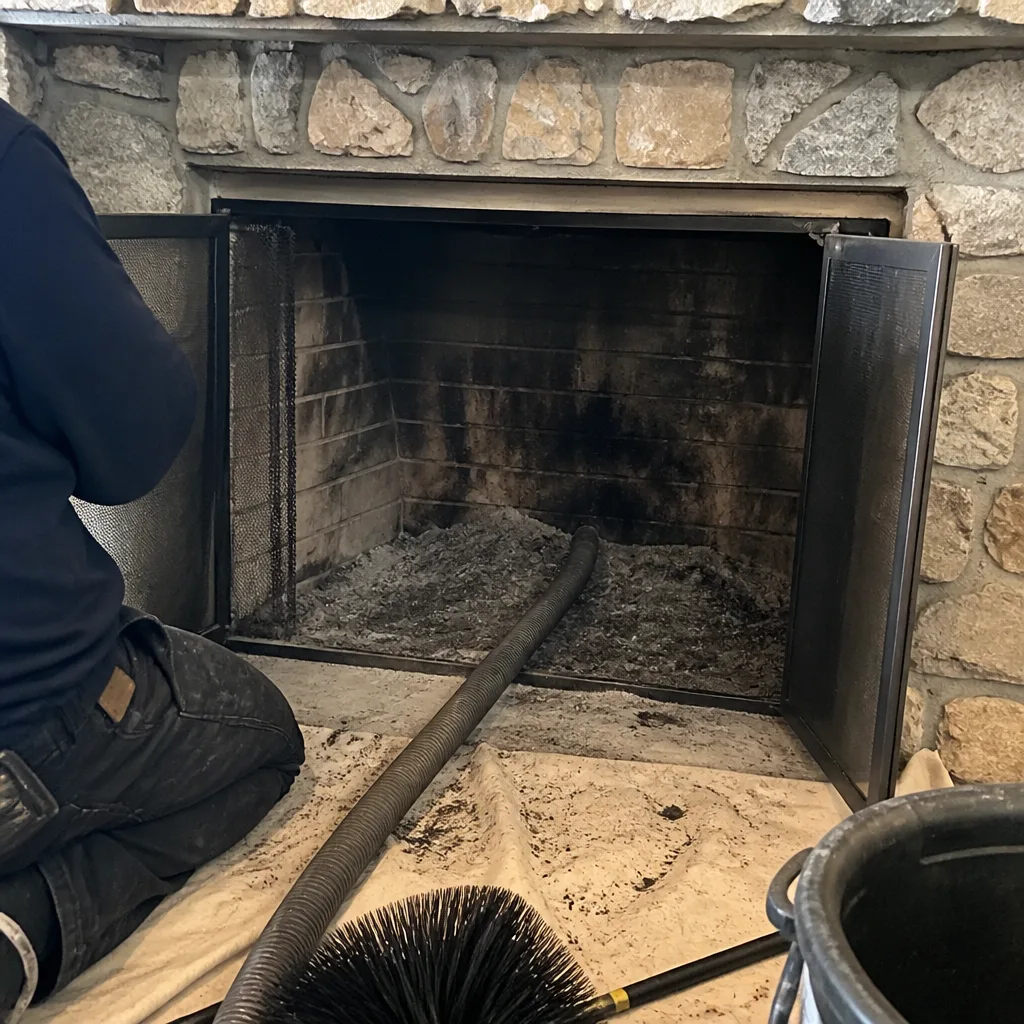 Before
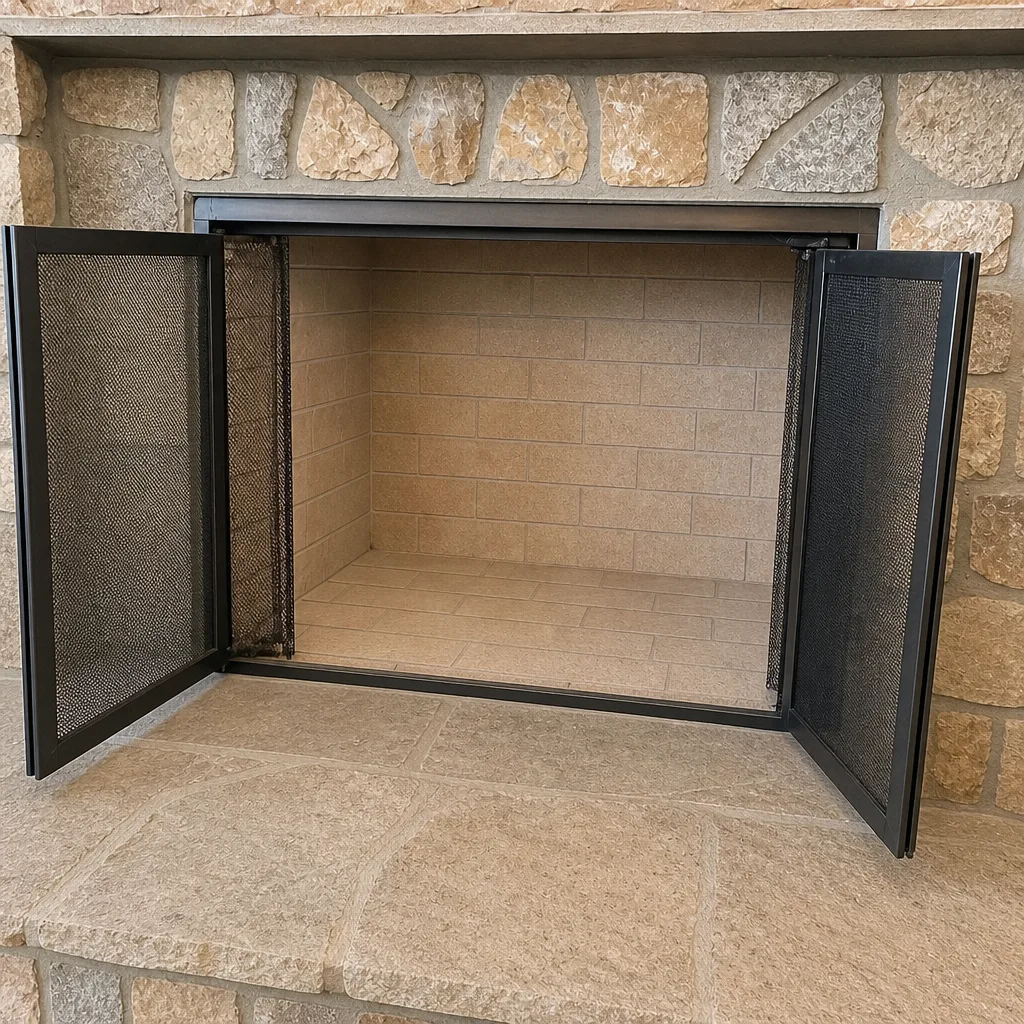 After
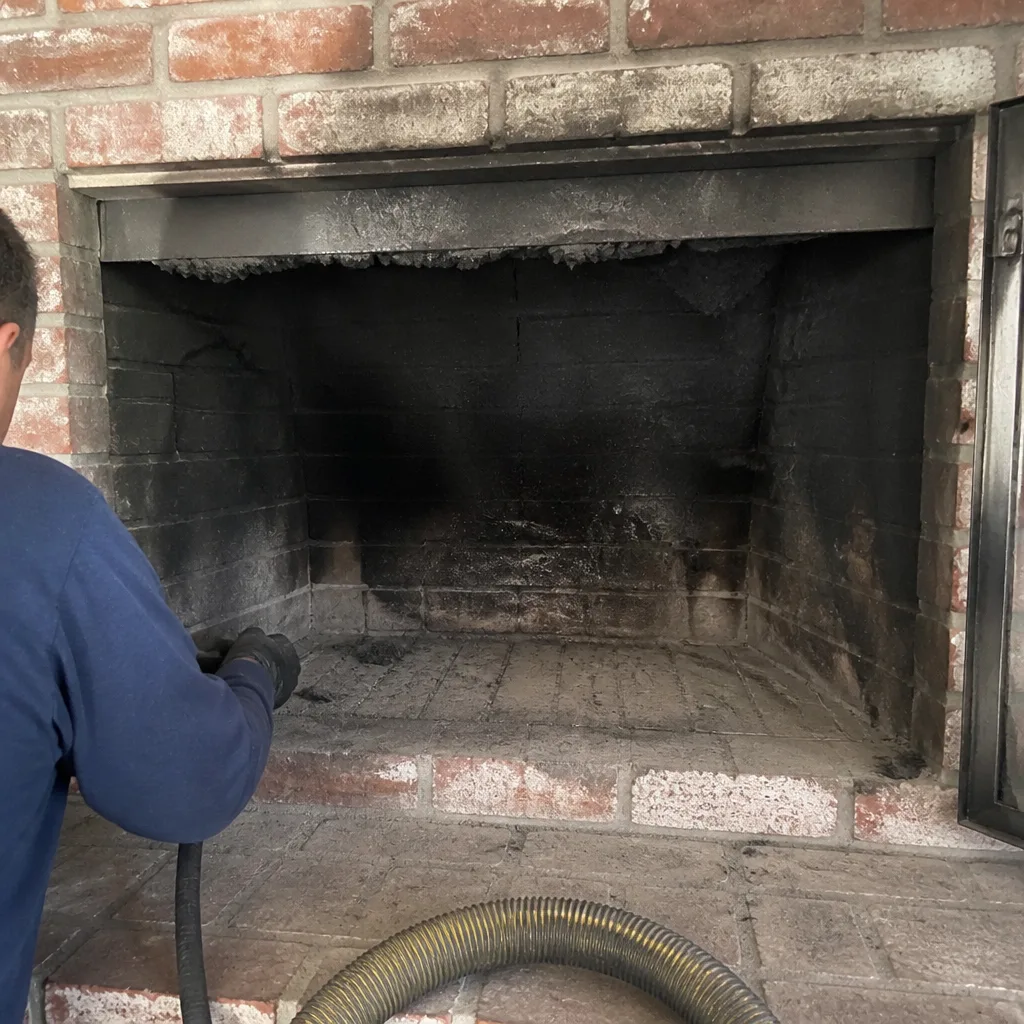 Before
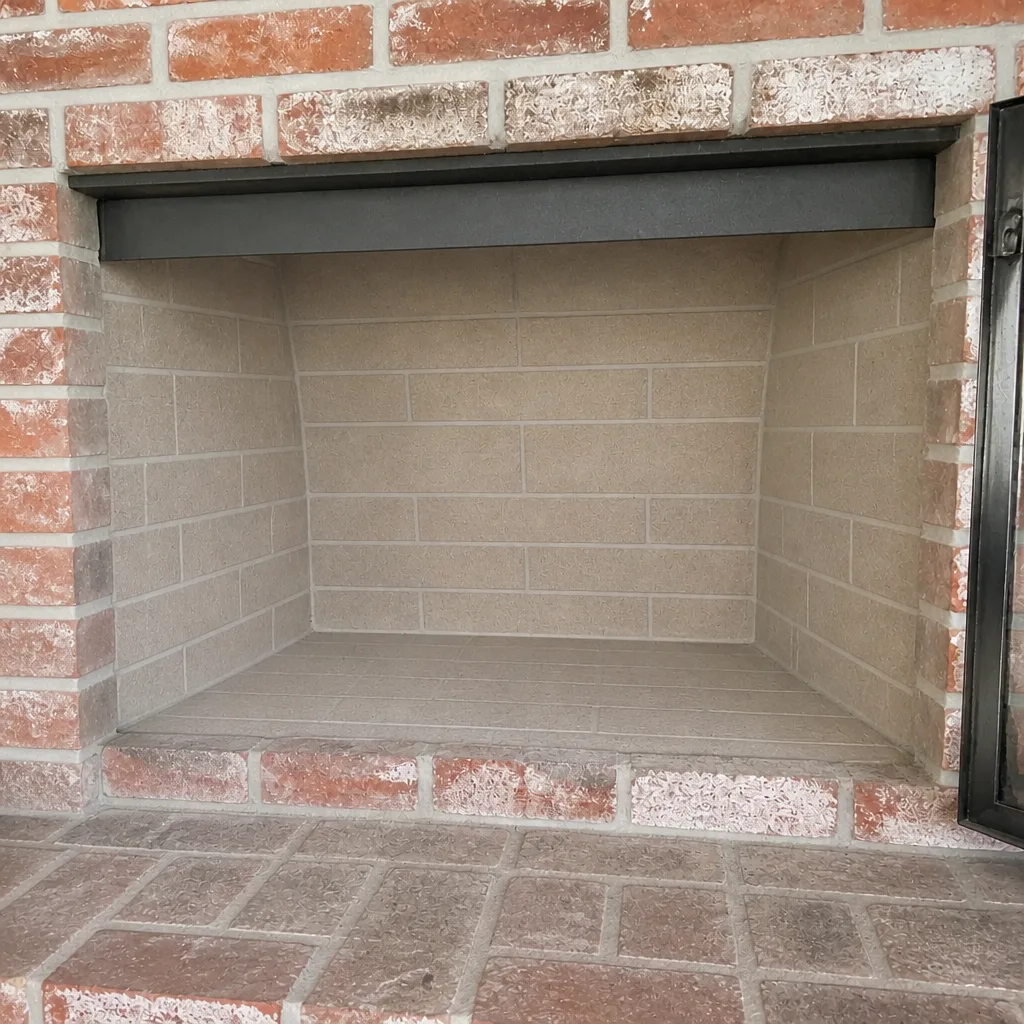 After
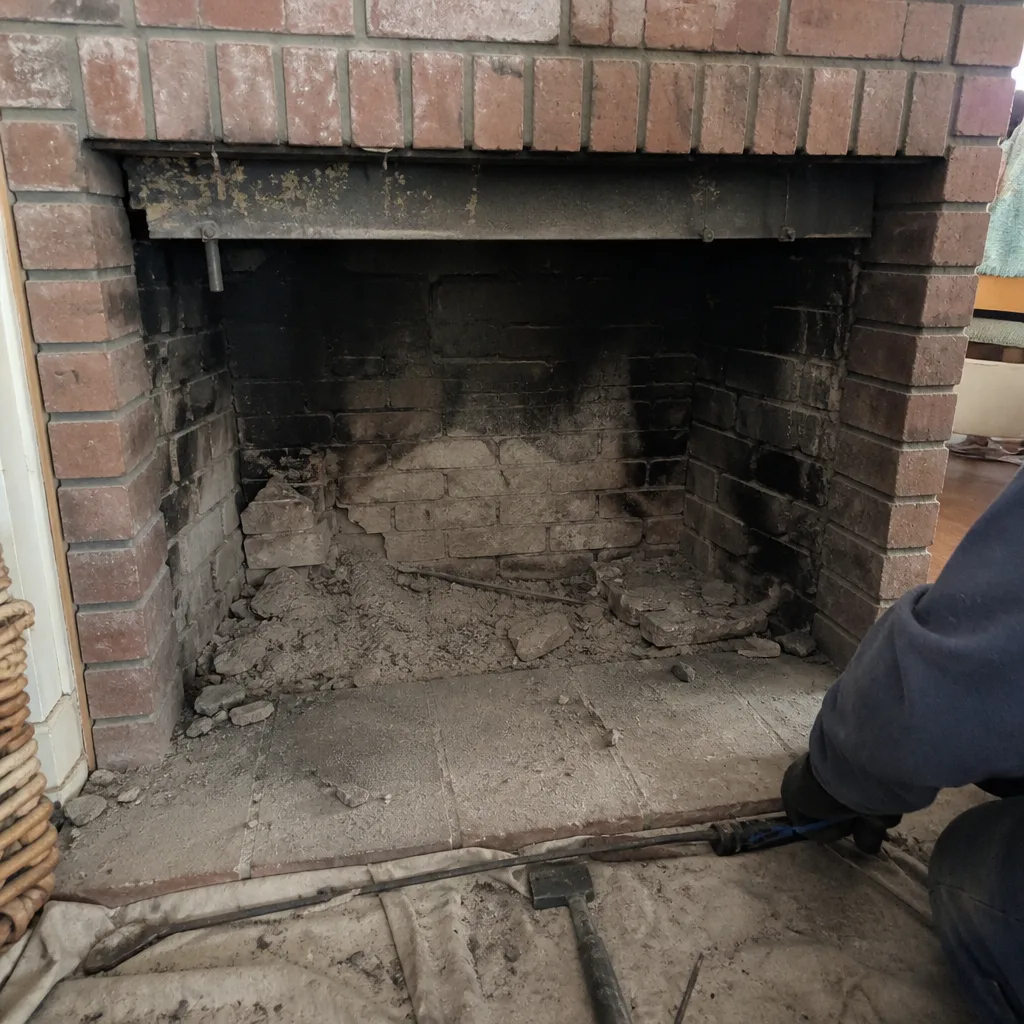 Before
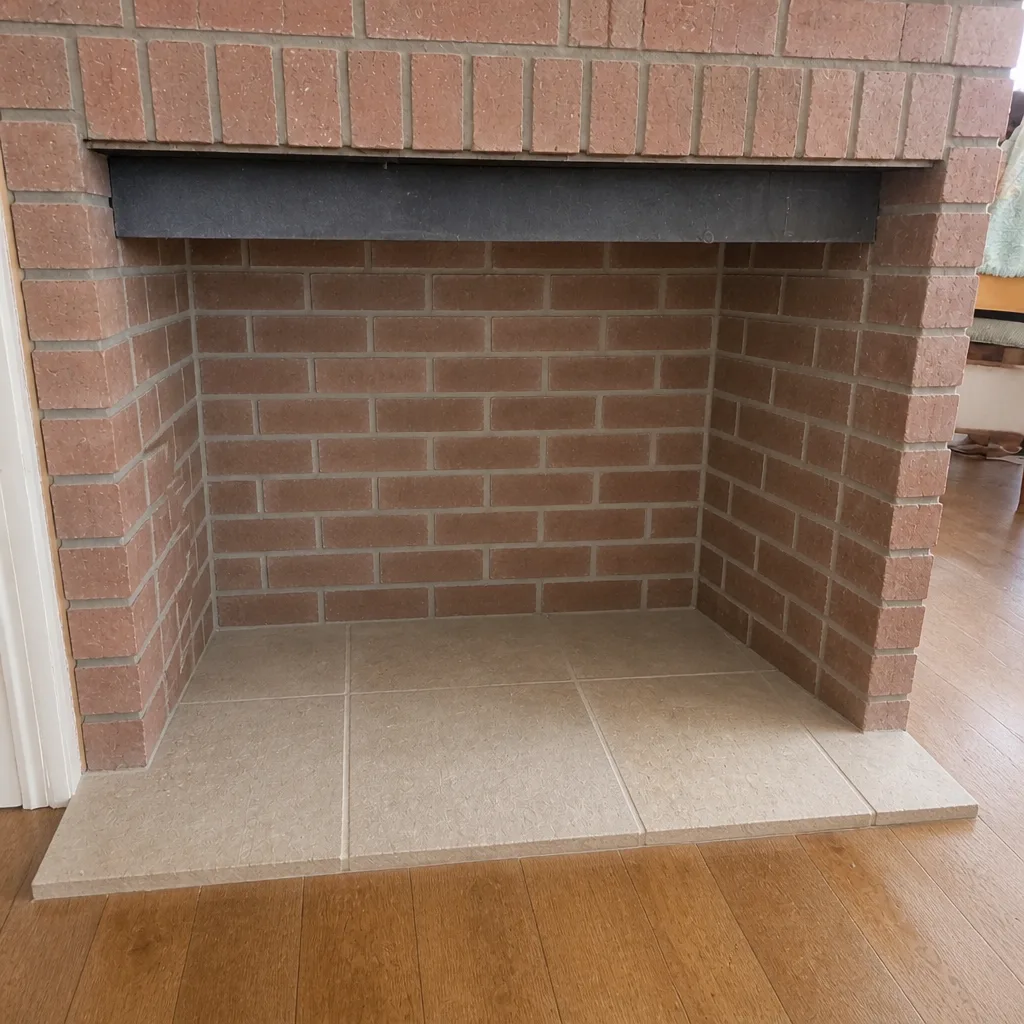 After
Frequently Asked Questions
You can physically brush soot from your firebox and lower flue, but you cannot inspect the smoke chamber, upper flue, liner, cap, or crown, which is where the safety-relevant conditions actually live. For most Westminster homeowners, a professional sweep plus inspection is the right answer. Call (833) 482-6197 for an exact quote – estimates are free.
Once per year is the standard for a wood-burning fireplace in regular use, and gas fireplaces still warrant annual inspection even though they don’t generate creosote. If you burn frequently, or you’ve noticed buildup or a smell, don’t wait the full year. Call (833) 482-6197 for an exact quote – estimates are free.
Creosote keeps accumulating above the level a DIY brush reaches, and the slow leaks from a failing cap or crown have more time to cause hidden damage. Skip a year and you’re often fine. Skip several and the list of findings grows. Call (833) 482-6197 for an exact quote – estimates are free.
Brushing your own firebox and lower flue with the right equipment is generally not dangerous if the flue is already in good, documented condition and you’re not working on the roof. Where it becomes genuinely unsafe is any attempt to reach creosote you can’t see, or to climb onto the roof for cap or crown work without fall protection. Those are the reasons we recommend leaving the upper flue and any roof work to a trained technician.
Some do. Many HOAs have rules on fireplace maintenance documentation and exterior chimney work, and many homeowners’ policies require documented professional service for fireplace-related claims. Read your CC&Rs and ask your agent what documentation they expect before you assume.
Ask whether the technician will scope the flue with a camera and provide a written report with photos of the firebox, smoke chamber, flue, liner, cap, and crown. If the answer is no, you’re paying for the same work you could do at home. A real sweep also names the products they recommend – DuraFlex for relining, HeatShield for liner restoration where it fits – so you know what’s being installed in your home.
The Bottom Line
DIY chimney cleaning is not a bad idea because homeowners are careless. It’s a bad idea because the brushing part – the 40% – is not where the important decisions get made. The other 60% (liner condition, smoke chamber, upper flue, cap, crown) requires equipment and training that don’t come in a $45 brush kit, and it’s the part that determines whether your chimney is safe for the season. If you’ve had a recent documented professional sweep and just want to knock down surface soot between visits, go ahead. If you haven’t had your chimney looked at properly in a year or more, that’s the moment to book the professional visit. From the firebox to the crown – one team, one standard. That’s how we approach every Westminster chimney we see. Call us for a free estimate and we’ll show you what we find.
Reach Chimney Sweep Westminster Pros at (833) 482-6197 for a free estimate. We answer 24/7, with fast dispatch from 7am to 7pm, Sunday through Friday. Whether you’re ready to book a chimney sweep, need fireplace repair, or want to talk through chimney repair options after a recent inspection, one call gets you a clear plan. Learn more on the Chimney Sweep Westminster Pros home page.
Written by the team at Chimney Sweep Westminster Pros.