
Last updated November 25, 2026
 Sweep & inspection
 Caps & crowns
 Flue relining
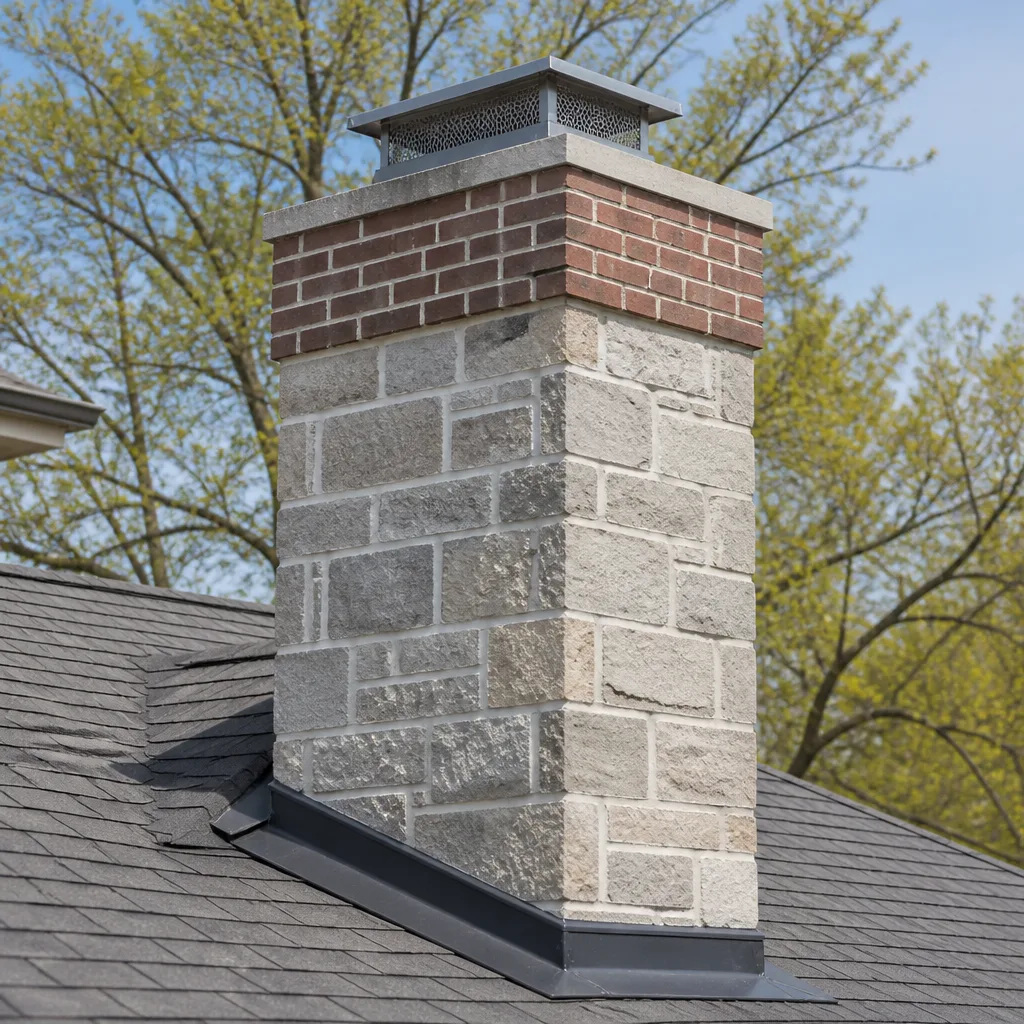 Masonry repair
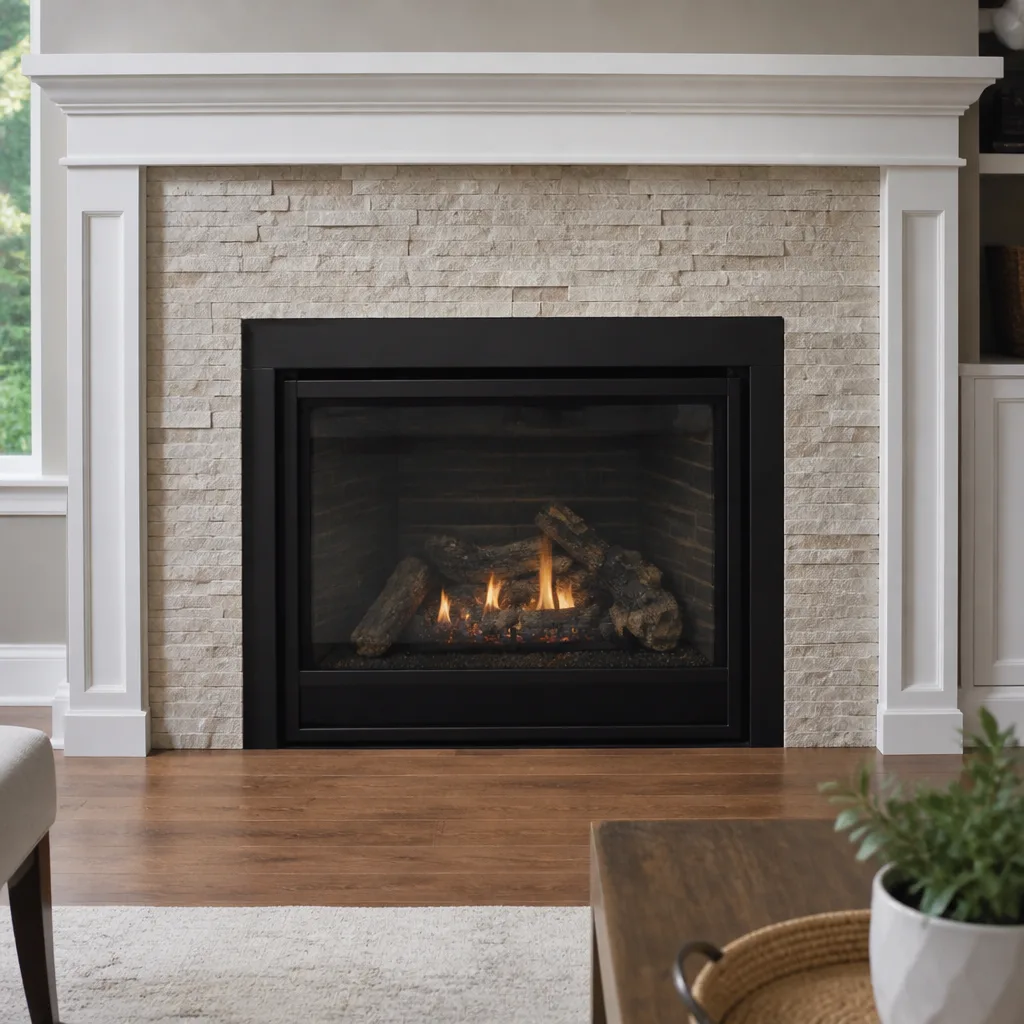 Gas fireplace service
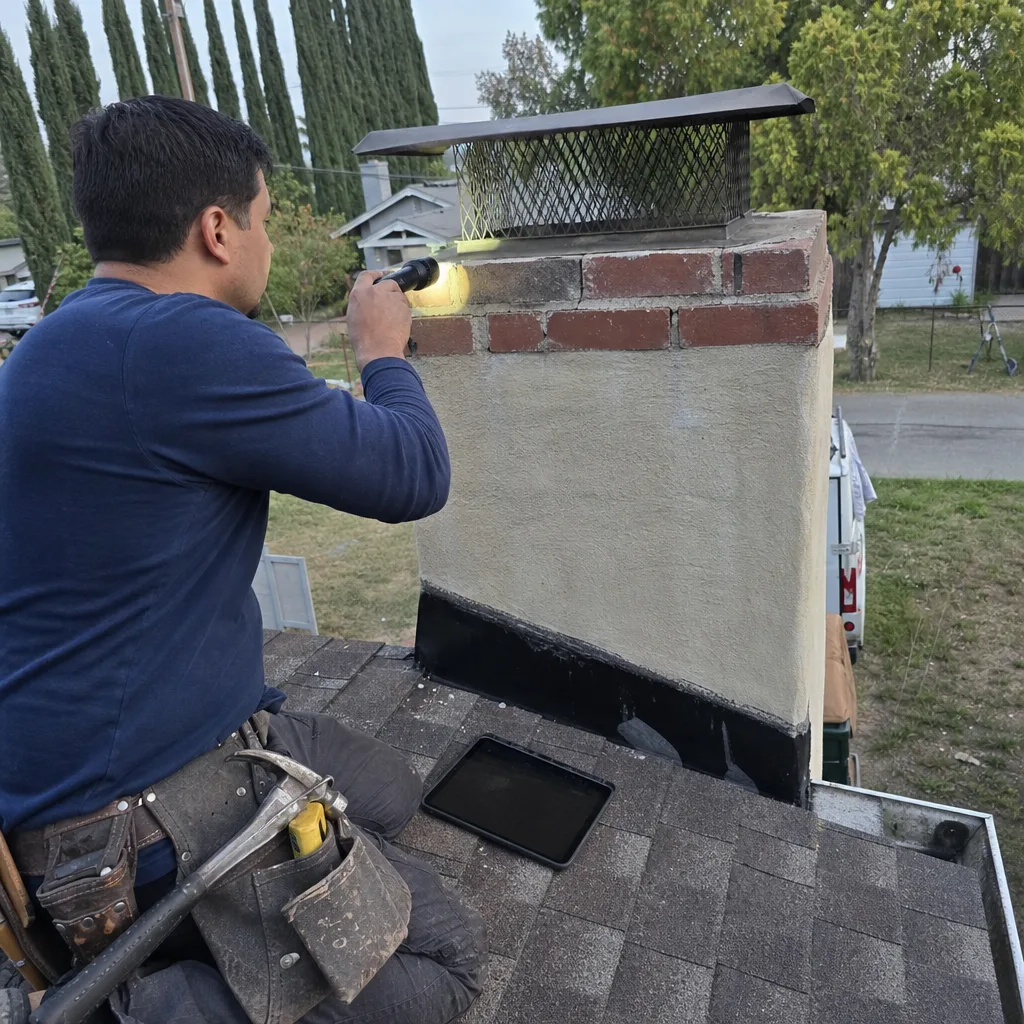
Level 1 sweep and inspection to the NFPA 211 annual standard - flue, crown, cap, and flashing checked and photographed
Chimney sweep logs do not sweep chimneys. They loosen some creosote - which then falls where a brush and vacuum still have to collect it.
Chimney Sweep Maintenance Checklist for Westminster Homeowners
A checklist that just says “schedule annual cleaning” isn’t a checklist. It’s a reminder. The real value in chimney care is knowing which things you can check from your living room right now that tell you whether that cleaning is overdue, and which things you should never try to assess yourself. Most homeowners fall into one of two traps: they either ignore the chimney until something smells or smokes, or they pay for work they can’t verify because they don’t know what to look at. This guide draws that line clearly, with a Westminster-specific maintenance calendar and a documentation method that gives you real baseline data year over year. By the end, you’ll know exactly what to check, when to check it, and when to call.
Quick Answer
A useful chimney maintenance checklist separates what you can see yourself from what requires a trained eye and instruments. From inside your home, you can check for spalling brick, damper resistance, smoke rollback, and odor after rain. What you can’t self-assess – liner integrity, smoke chamber taper, and cap flashing seal – requires a professional inspection. Match the inspection level (1, 2, or 3) to a trigger event, not just a calendar date, and photograph your chimney each year to build baseline data.
Styles & brands we work with
- Sweep & inspection
- Caps & crowns
- Flue relining
- Masonry repair
- Gas fireplace service
Table of Contents
- The Line Between DIY Checks and Professional Work
- Nine Things You Can Check From Your Living Room
- What Only a Trained Technician Can Assess
- The Inspection Frequency Matrix: Trigger Events, Not Just Dates
- Westminster Seasonal Tasks: Santa Ana Winds and Spring Nesting
- How to Document Your Chimney Year Over Year
- What a Real Sweep Actually Involves
- When Maintenance Turns Into Repair
The Line Between DIY Checks and Professional Work
The single biggest confusion in chimney maintenance is a failure to separate observer tasks from assessor tasks. An observer task is something you can see, smell, or feel from inside the house. An assessor task requires training and instruments. When homeowners blur that line in either direction, problems follow. Over-relying on a contractor means you pay for inspections you might not have needed yet. Under-relying means you miss conditions that a professional would flag immediately.
Observation is not the same as diagnosis. If you notice white staining on the exterior brick, you’ve done your job as an observer. You have not diagnosed the cause. The diagnosis – whether it’s efflorescence from moisture migration, a crown issue, or a flashing seal failure – is what requires training. Treat your observations as a reason to call, not a substitute for the call.
For Westminster homeowners, this distinction matters because the local climate is mild. There’s no harsh winter driving you to an annual ritual on autopilot. The weather rarely forces the issue. So the urgency usually comes from use – how often you burn, what you burn, and what happens to the chimney between seasons. A wood-burning fireplace used a few times a month still accumulates creosote. A gas fireplace doesn’t produce creosote the same way but still needs its venting and firebox checked. Both deserve a system.
Our technicians have up to 13 years of experience, and the pattern we see most often is this: the observable warning signs were there, but they weren’t interpreted as warnings. Learning what to observe turns passive homeowners into informed ones. That’s the whole point of this checklist.
Nine Things You Can Check From Your Living Room
These nine checks take about fifteen minutes total. Do them once a season while the fireplace is cold and you haven’t burned for at least a day. Note what you see, and photograph anything that looks off.
- Spalling brick around the firebox. Look at the brick face inside the firebox and immediately around it. Flaking, crumbling, or powdering brick surfaces mean the masonry is breaking down. New spalling is a reason to call.
- Damper resistance. Open and close the damper slowly. It should move smoothly through its range. Grinding, sticking, or a damper that won’t seal fully points to a mechanical issue that needs review.
- Smoke rollback. When you start a fire, watch the initial smoke. If smoke rolls back into the room instead of drafting up, the draft is compromised. Do not keep burning. Stop and call.
- Odor after rain. If you smell a damp, smoky, or sour odor indoors the day after rain, that’s a water intrusion signal. Water finding its way into the flue system is one of the most common causes of premature chimney failure.
- Visible creosote on the firebox walls. A thin dusting is normal. A thick, sticky, or flaky coating means the chimney is due for a chimney sweep.
- Exterior white staining (efflorescence). From outside, look at the chimney’s exterior masonry. White, chalky staining means moisture is moving through the brick and depositing salts on the surface. It’s a signal to investigate.
- Rust or corrosion on the firebox interior. Rust streaks or damp metal surfaces suggest moisture where there shouldn’t be.
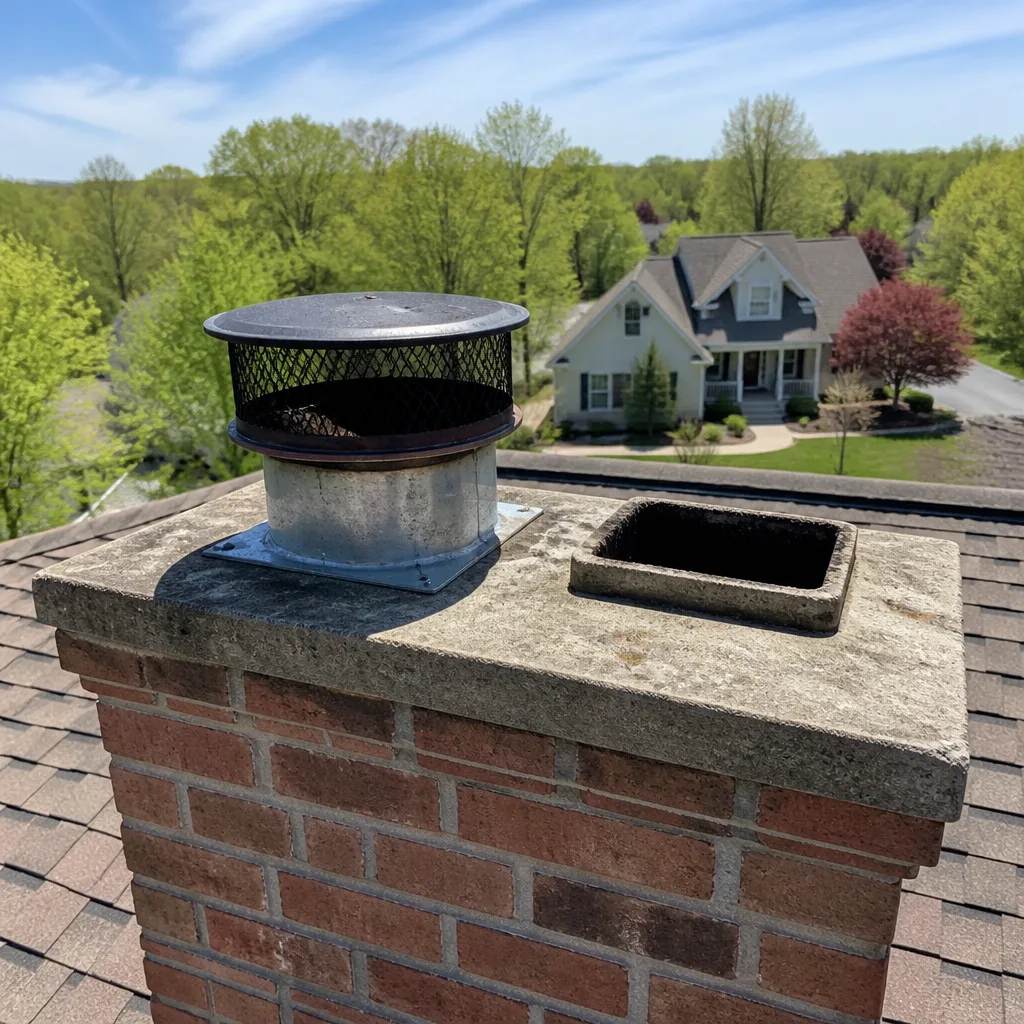
- Visible gaps at the cap or crown. Look at the top of the chimney from the ground with binoculars. A cracked crown or a cap that’s visibly lifted or missing is a water intrusion waiting to happen.
- The sound of birds or debris in the flue. If you hear movement or scratching in the flue between uses, there may be a nest blocking the flue. Do not light a fire until it’s cleared.
If any of these nine produce a “yes,” that’s your reason to schedule an inspection. If all nine come back clean, that’s a strong signal you’re on track, but it doesn’t eliminate the need for a professional review – that’s the next section.
What Only a Trained Technician Can Assess
Some things are genuinely invisible to an untrained observer, and this is where a professional inspection earns its keep. The three categories below are the ones that matter most – they’re also the categories most often skipped by sweep-only services.
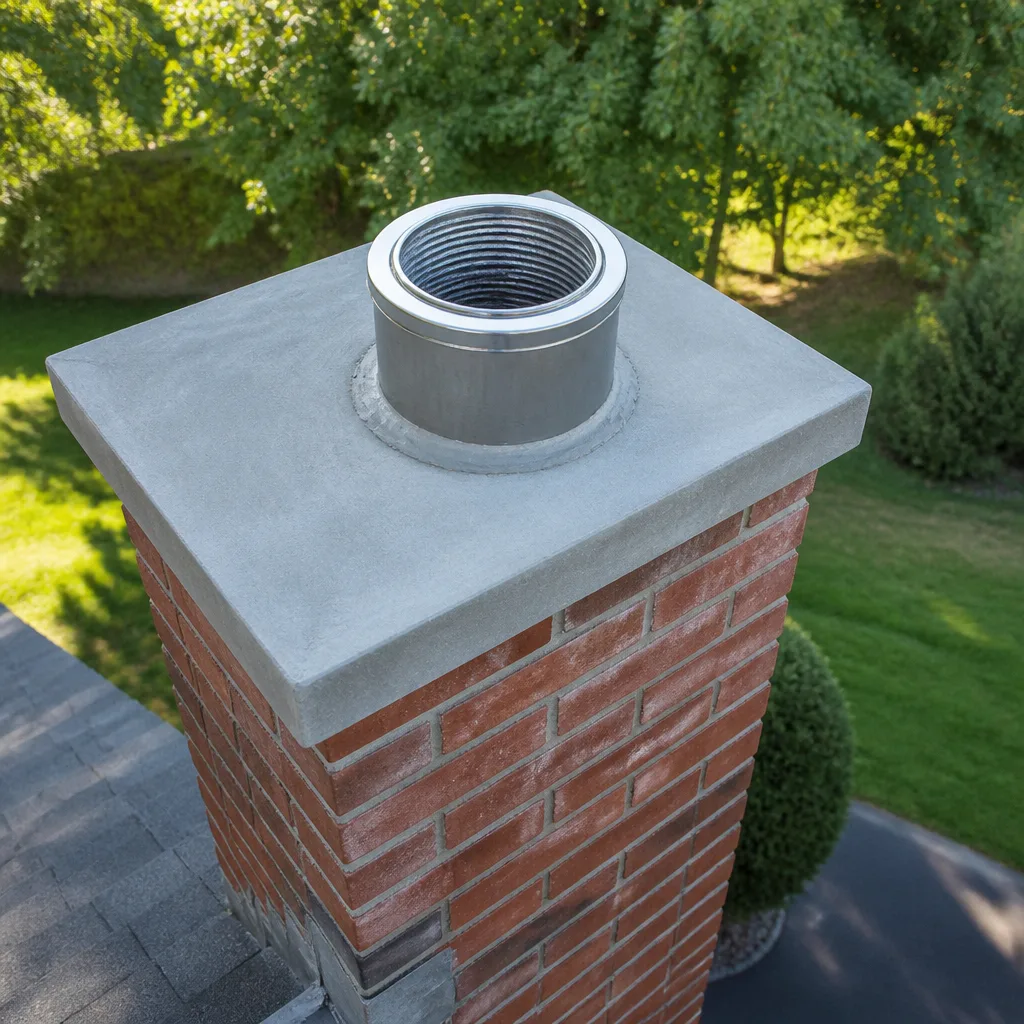
- Liner integrity. The flue liner is the channel that carries smoke and combustion gases up and out. It can crack, spall, or separate at joints. Those failures aren’t visible from the firebox without a camera. Liner integrity is assessed with a video inspection. When a liner is compromised, continued use is a carbon monoxide risk, not just a performance issue.
- Smoke chamber taper. The smoke chamber is the sloped area just above the damper. If its taper is rough or incorrect, smoke won’t transition smoothly into the flue. This is a common cause of draft problems that no amount of cleaning will fix.
- Cap flashing seal. Where the chimney passes through the roof, a metal flashing creates a watertight joint. If that seal fails, water enters the roof structure, not just the chimney. Flashing integrity is a professional inspection item.
Liner integrity is the one we emphasize most because it has the strongest safety implication. The other two cause performance issues and long-term damage. Liner failure can contribute to carbon monoxide exposure inside the home. That’s a difference in kind, not just degree, which is why liner assessment is a core part of any honest inspection.
HeatShield restoration is one option when a liner has worn but isn’t a candidate for full replacement. Instead of pulling and replacing the liner, a technician can restore the existing flue surface in appropriate cases. When a full reline is truly needed, DuraFlex flexible liner systems are among the options we install. Both products are professional-grade and specified by name because the material matters. Not every sweep company carries them, and that’s one of the things worth asking about when you interview a chimney contractor in Westminster.
The Inspection Frequency Matrix: Trigger Events, Not Just Dates
The old advice of “sweep once a year” is not wrong so much as incomplete. Frequency should match what’s actually happening to your chimney, and the inspection level should match the reason you’re having it done. Chimney inspections fall into three recognized levels of scrutiny. Matching the level to the trigger is what prevents both over-inspection and under-inspection.
- Level 1 inspection. A visual review of the accessible portions of the chimney and firebox, without special tools. This is the routine inspection when there are no known problems and the setup hasn’t changed.
- Level 2 inspection. Includes all of Level 1 plus a video camera scan of the flue interior, and inspection of accessible attic, crawl space, and rooftop portions. Required after any change in the system: a new appliance, a fuel-type change, a chimney fire, an earthquake event, or a property sale.
- Level 3 inspection. Diagnostic investigation that may require opening walls or removing parts of the chimney to access a suspected problem. Used when a Level 1 or 2 finds something that can’t be assessed without access.
Here’s how to match the trigger event to the level:
- Routine annual use: Level 1 sweep and inspection.
- You’ve switched fuels (wood to gas or gas to wood): Level 2, because venting requirements change.
- You’ve had a chimney fire, even a small one: Level 2, because fire can damage the liner even when the firebox looks fine.
- You’re buying or selling the home: Level 2, which is standard practice in real estate transactions.
- You’ve had a significant earthquake or structural event: Level 2 to check for shifting or separation.
- Recurring draft problems after a Level 2: Level 3 to investigate a hidden obstruction or taper issue.
- New appliance installed (insert or new fireplace): Level 2 before the first burn.
For most Westminster homes with a wood-burning fireplace in regular seasonal use, one Level 1 service per burning season is the baseline. Gas fireplaces need less frequent sweeping but still need periodic inspection. If you’re unsure which level applies to your situation, describing your chimney’s history on the phone is the fastest way to figure it out.
Westminster Seasonal Tasks: Santa Ana Winds and Spring Nesting
Westminster’s climate is mild, which is exactly why a calendar-based approach misses the local drivers. There aren’t harsh winters forcing annual habits. Instead, two local patterns matter more: Santa Ana wind events and spring wildlife activity.
Post-Santa Ana wind check. Santa Ana winds are dry, strong, and periodic. After any significant wind event, do a ground-level look at the chimney cap and crown. Strong wind can lift or displace caps and drive debris into the flue. A cap that shifts out of position leaves the flue open to rain, birds, and debris. A displaced cap sitting on a steep roof is a job to leave to a professional – the risk from the fall outweighs the value of a quick fix.
Spring nesting check. Many Orange County chimneys host birds in spring. Unused chimneys look like ideal nesting sites from a bird’s perspective. Before the first burns of the fall season, do a flue-clear check: listen for movement, look for nesting material at the firebox, and confirm after any long dormant period that the flue is clear. A cap with proper mesh prevents most of this, which is why caps aren’t decorative – they’re a maintenance-prevention tool.
Pre-burning-season service. The ideal time to book a Chimney Sweep Westminster Pros service call is before you plan to use the fireplace with any regularity. Waiting until the first cool evening means waiting behind the homeowners who booked ahead.
Post-burning-season inspection. Once the fireplace goes dormant for the season, have the flue reviewed before you close the damper for good. This is when you catch last-season wear that won’t get better sitting through the warm months.
Westminster’s mild climate means many homes skip the “off-season” review entirely. But a chimney that goes three or four months without attention has more to inspect, not less. Treat the seasonal check as the point where you close the loop on the previous season and prepare for the next.
How to Document Your Chimney Year Over Year
Baseline data changes everything about how a contractor’s recommendations land. Without a baseline, you have no way to judge whether work is precautionary or urgent. With a baseline, you can ask better questions and make more confident choices.
The documentation practice is simple:
- Photograph the firebox interior from the same angle at the same time each year. Note the date on a note card in frame.
- Photograph the exterior chimney from ground level at a consistent angle. Include the crown and cap in the frame.
- Photograph any visible water staining or spalling with a standard object (a hammer, a ruler) placed nearby for scale.
- Keep the professional inspection report from each service, including any photo or video documentation the technician provides.
- Note the date of each sweep and the general condition described.
Keep the photos in a single folder with a clear naming convention (year-month-condition). When a technician recommends a repair, you can share this history. The conversation shifts from “trust me” to “here’s what changed.” That’s a much better position for the homeowner to be in.
We’ve found that homeowners who keep baseline photos tend to catch water intrusion earlier and spend less over time. They also skip repairs that a contractor who hasn’t seen the history might recommend. Documentation is an act of self-interest, not busywork.
What a Real Sweep Actually Involves
A sweep isn’t just brushing the flue. A proper service involves removing creosote from the flue and firebox, clearing soot, and confirming accessibility for the inspection that follows. The best sweep services run the inspection and the cleaning as one integrated service, because the inspection tells the technician what to clean more carefully and what warrants flagging for the homeowner.
Creosote is the main concern. It’s the byproduct of wood combustion, and it comes in three forms – the first stage is light and flaky, the second is sticky and deposits in layers, and the third is glazed and highly combustible. The higher the stage, the more attention it requires and the higher the chimney fire risk. A sweep in the second or third stage isn’t a routine appointment – it’s a priority. In Westminster, mild climate means burning seasons that stretch longer in calendar terms than the temperature would suggest, so the accumulation can be more than the homeowner expects.
For gas fireplaces, sweeping is less frequent because there’s no creosote from wood combustion. The venting still needs inspection, the firebox still needs to be checked, and gas appliance issues are still gas appliance issues. A standard gas fireplace service typically covers the firebox, burners, venting, and glass. If there’s any sign of improper venting, that’s a carbon monoxide concern and warrants immediate professional review.
What a good sweep shouldn’t be: an upsell funnel. If a sweep service starts with a cleaning and ends with a hard pitch for liner or crown work you can’t verify, that’s a red flag. A trustworthy technician shows you what they found, with photos or video where relevant, and lets you decide. Our preference is to name the brands we install – HeatShield, DuraFlex, chimney repair components from Famco and Copperfield – because you should know what’s going into your home before you buy it. If a recommendation doesn’t pass the “I can see why” test, ask more questions.
When Maintenance Turns Into Repair
Maintenance is the practice of catching small issues before they compound. Repair is what happens when that practice lapses or when weather delivers damage faster than maintenance can prevent it. The two most common maintenance-to-repair transitions we see are water intrusion and draft failure.
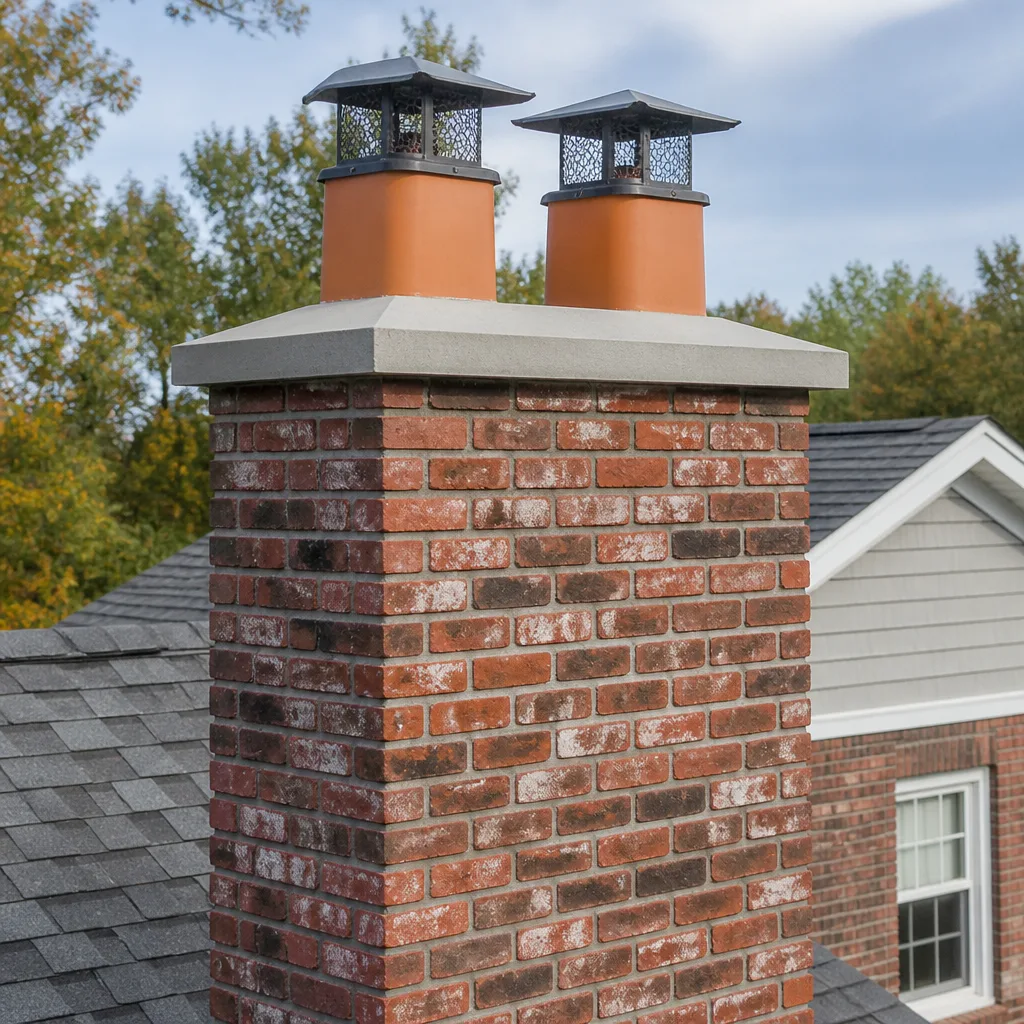
Water intrusion is the leading cause of chimney damage in Westminster, and the two access points are almost always the cap and the crown. A cracked crown lets water migrate into the masonry from above. A missing or failed cap lets water, debris, and wildlife into the flue. Both are visible during a professional inspection and both are fixable. Cap and crown work is prevention, not cosmetic. When we install a replacement cap from Olympia Chimney or a full crown rebuild, the goal is to close a specific water pathway, not to sell an addition.
Draft failure is the second transition point. If you’re seeing smoke rollback or difficulty starting a fire that used to work fine, the problem is usually in the smoke chamber taper or a partial obstruction. A fireplace repair visit can assess whether the issue is mechanical (damper, firebox) or structural (chamber, flue). The good outcome is a fixable problem identified correctly. The bad outcome is a misdiagnosis that leads to a replacement when a repair would have done it.
Structural repairs – relining, crown rebuild, firebox repointing – are where the brand choice matters. A DuraFlex liner is a professional installation, not a DIY option. HeatShield restoration in appropriate cases can save a full reline, but it’s a case-by-case determination. Famco and Copperfield products fill out a full-line professional catalog that tradespeople know by name. When a crew shows up with products from a big-box retailer, that’s a signal worth asking about.
Common Mistakes to Avoid
- Treating the sweep as a standalone event. A sweep without an inspection is a cleaning, not a maintenance program. Schedule them together so the inspection informs what’s checked next time.
- Ignoring the damper. Many homeowners never operate the damper until the first fire of the season. If it’s stuck, the smoke has nowhere to go. Check it during the season, not on the night you want a fire.
- Using a big box store cap as a permanent fix. A standard cap from a hardware store may fit the flue but may not seal properly against wind-driven rain. Professional caps from a full-line supplier hold up better and fit correctly.
- Assuming a gas fireplace doesn’t need service. Gas fireplaces need less sweeping, not none. Venting issues are a carbon monoxide concern, which means the inspection matters more, not less.
- Skipping the post-Santa Ana wind check. A displaced cap after a wind event is easy to miss from inside the house. A ground-level look from outside the home takes two minutes.
- Burning unseasoned wood to save money. Wet wood produces more creosote per unit of heat. If you’re buying firewood, ask about seasoning time and moisture content, or plan to season your own for a full year.
- Waiting for a smell or a problem before scheduling. By the time there’s an odor or visible damage, the condition is past the “catch it early” stage. Preventive scheduling is cheaper in both inconvenience and outcomes.
- Not asking what brands a contractor installs. If the answer is vague, that’s information. Named professional brands from DuraFlex, HeatShield, Famco, Copperfield, and Olympia Chimney are how you verify quality before the work begins.
See the difference
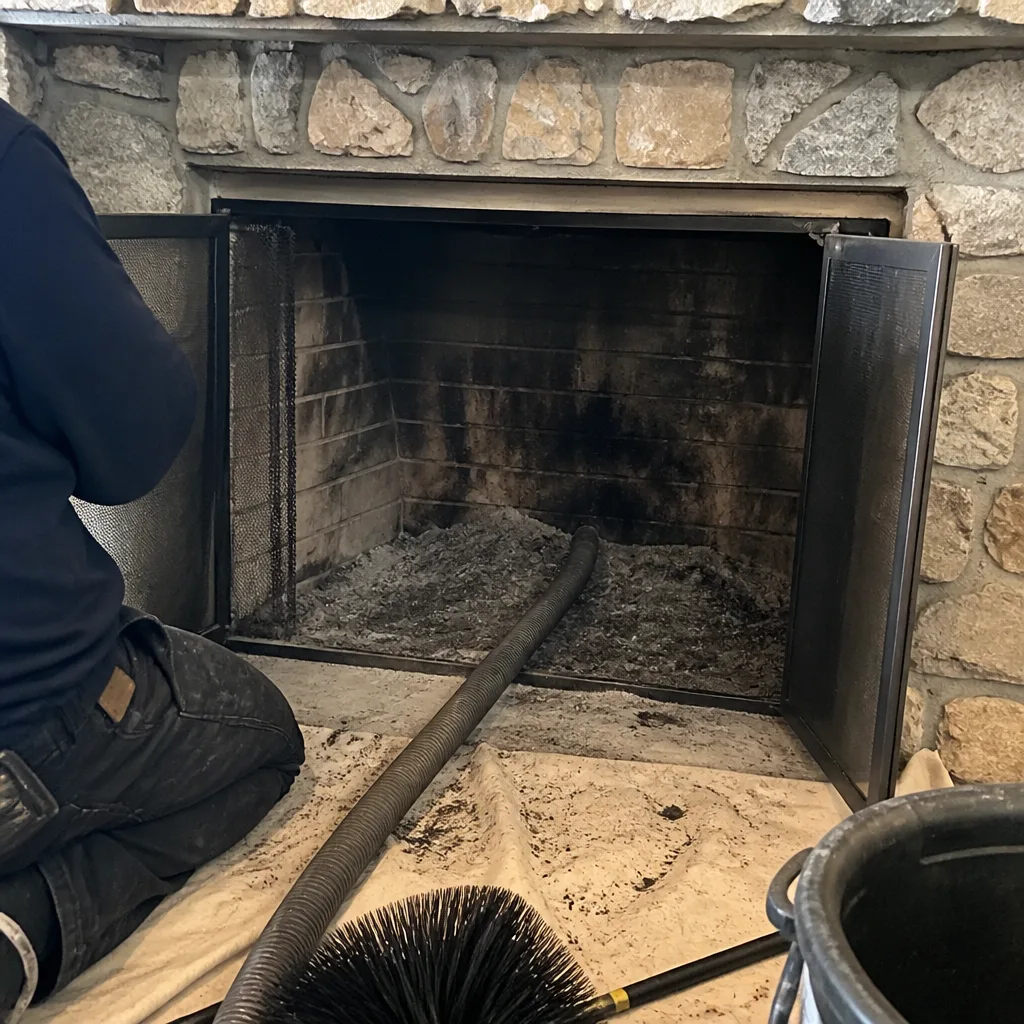 Before
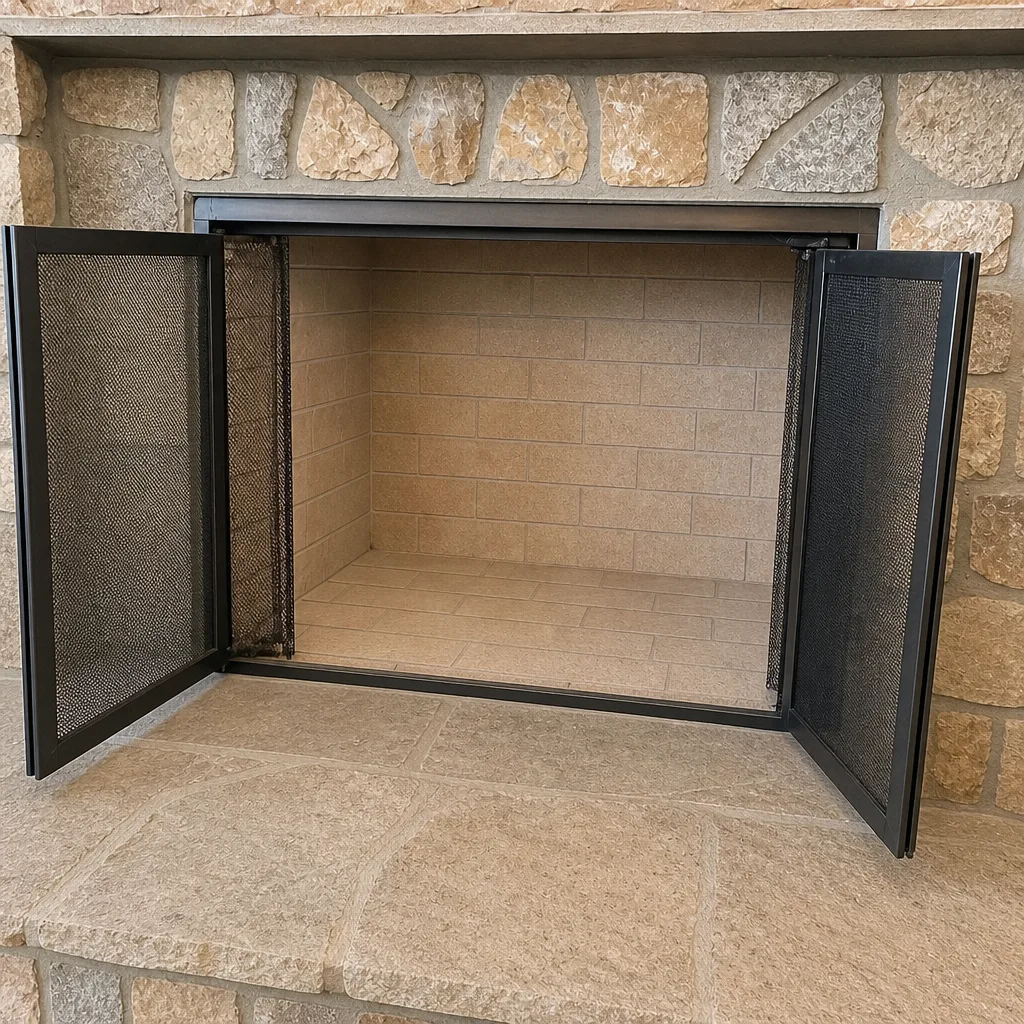 After
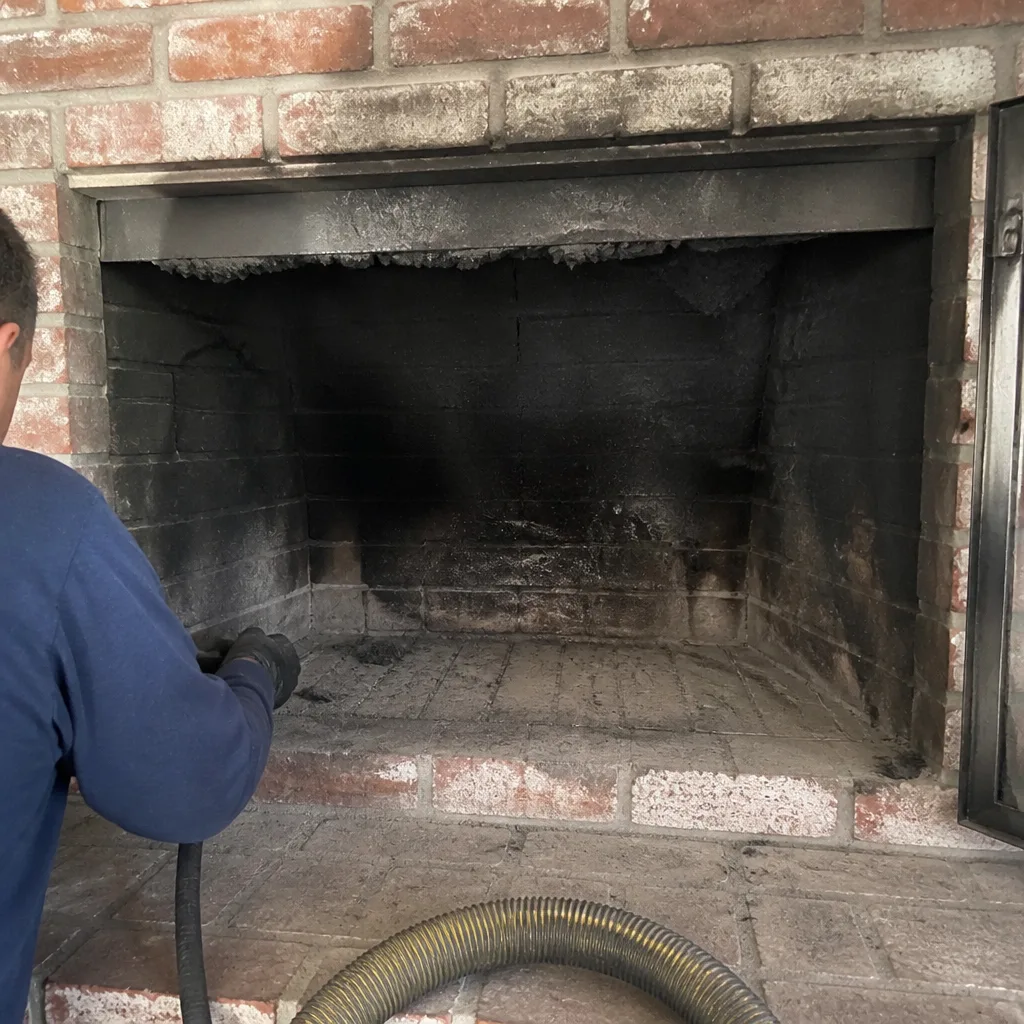 Before
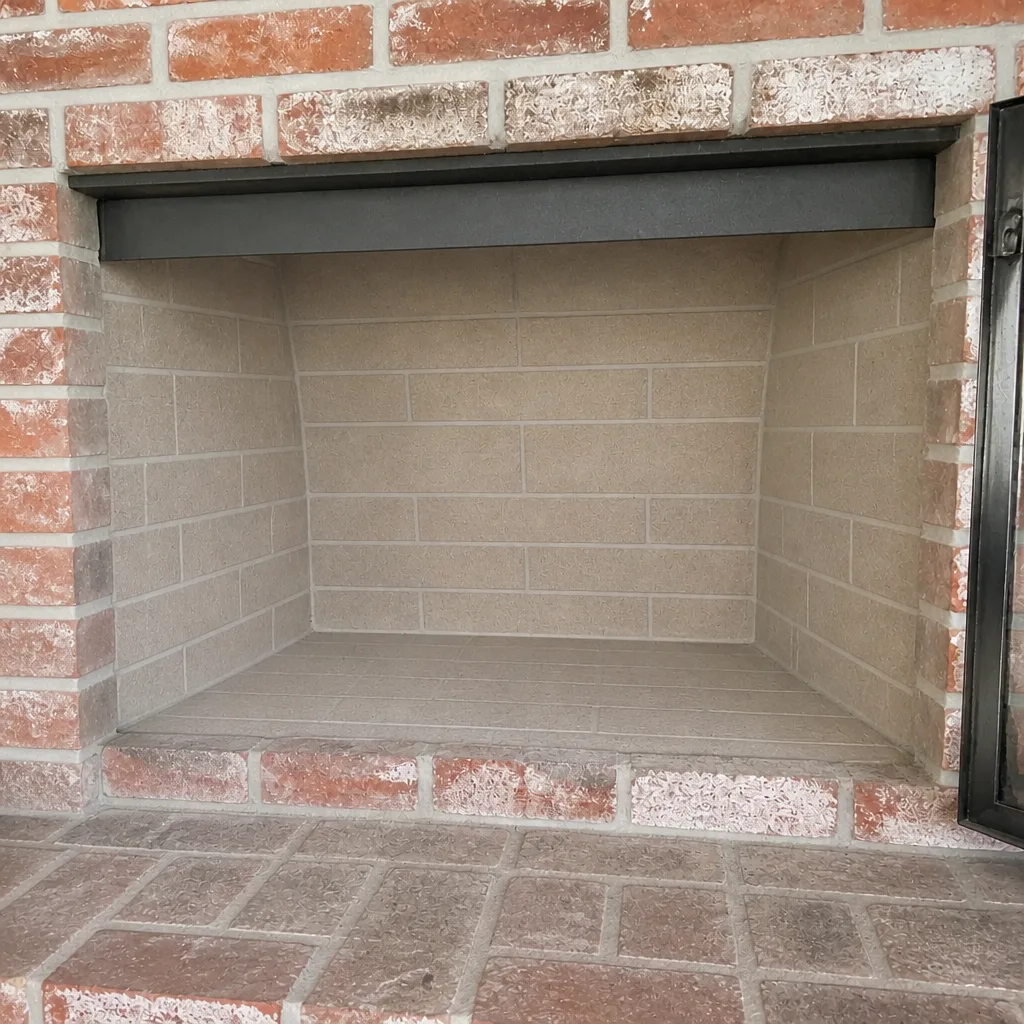 After
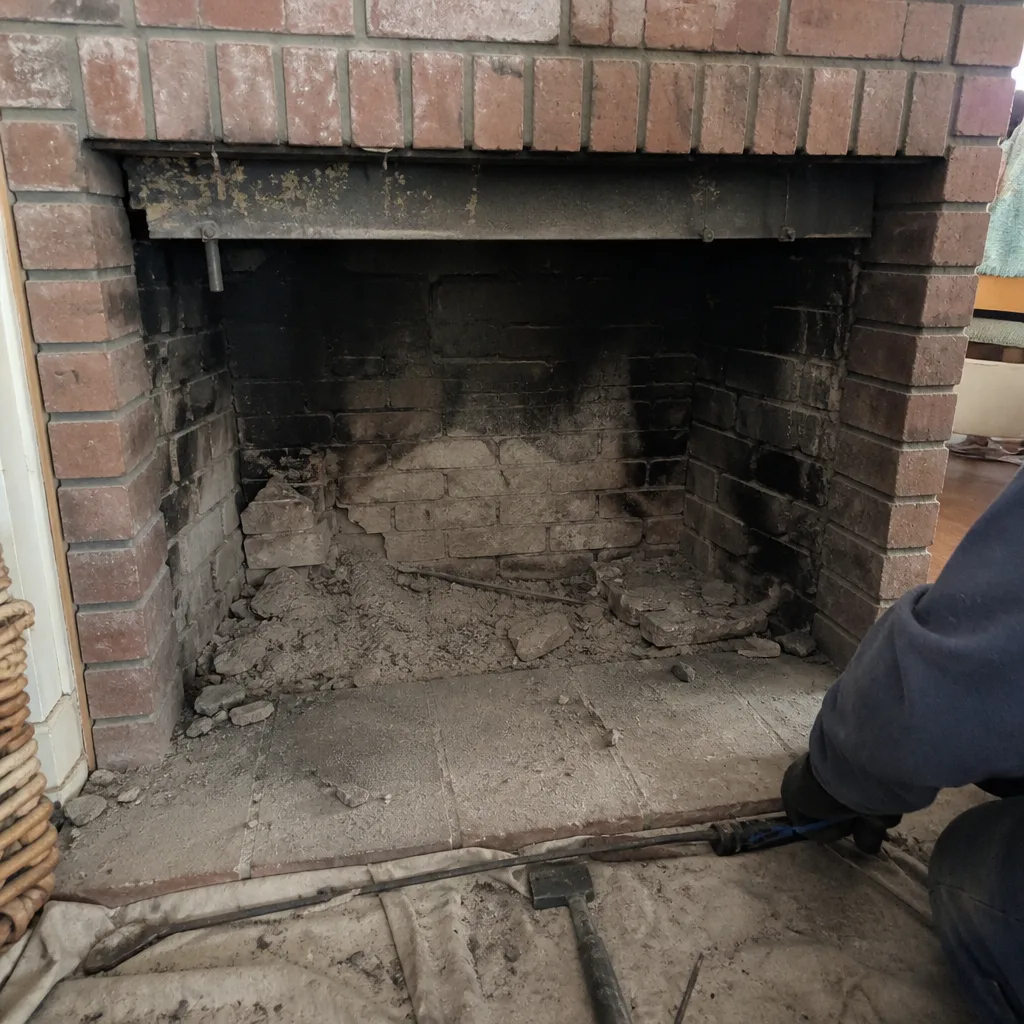 Before
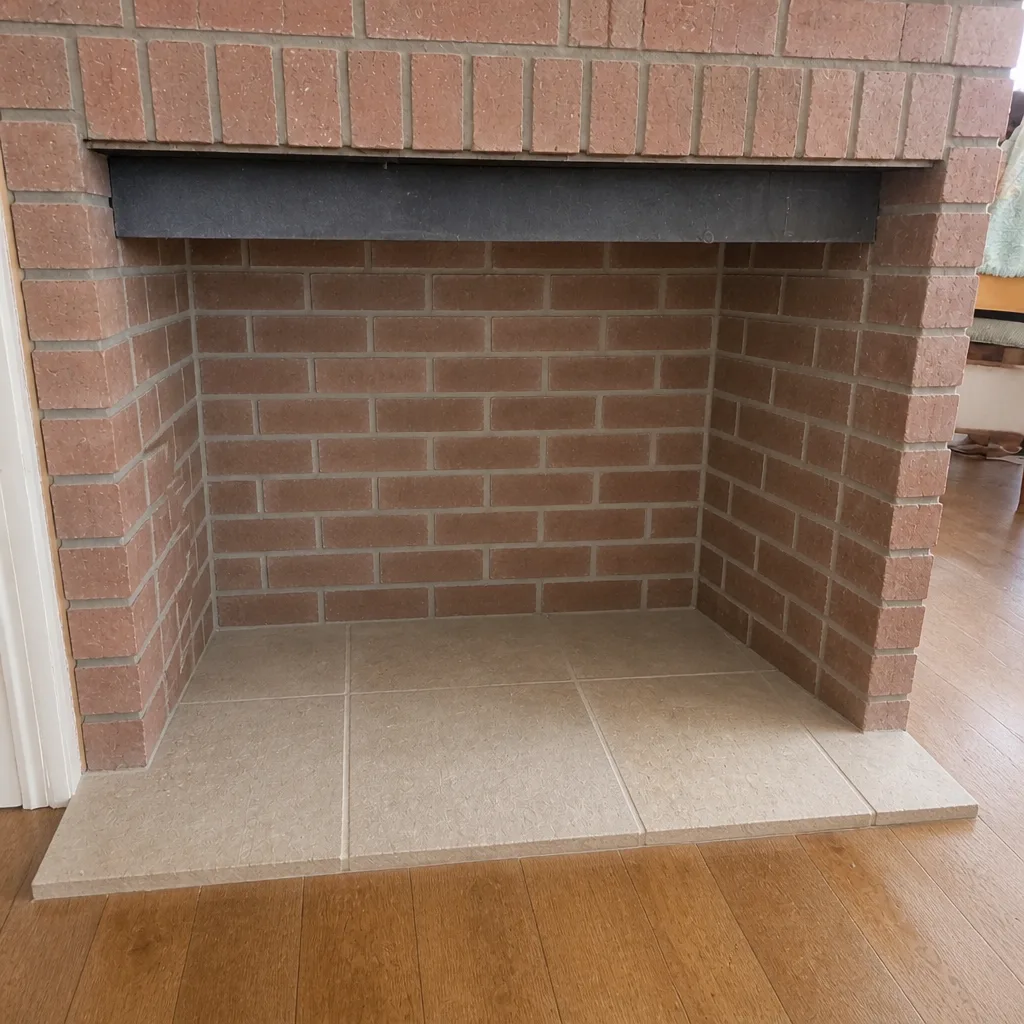 After
When to Call a Professional
Call a professional immediately if any of these is true: smoke rolls back into the room on startup, you smell gas in or near the firebox, you notice soot deposits appearing on the fireplace surround or ceiling, or a chimney fire has occurred at any point since your last inspection. Call for a routine inspection if it’s been more than a year since your last service, if you’ve just moved into a Westminster home with an unfamiliar chimney, or if any of the nine living-room checks produced a “yes.” Structural repairs, cap and crown work, and any liner-related assessment are professional-only by necessity. Chimney Sweep Westminster Pros offers free estimates in Westminster – call (833) 482-6197 for help determining what your chimney actually needs.
Frequently Asked Questions
For a wood-burning fireplace in regular seasonal use, once per burning season is the standard baseline. Gas fireplaces can often go longer between sweeps but still need periodic inspection. If your wood use is heavy or you notice creosote buildup on the firebox walls, sweep more often. The trigger isn’t the calendar – it’s how much you’ve burned and how the flue looks when inspected. Call (833) 482-6197 if you’re unsure where you stand.
You can observe your own chimney, but you can’t truly inspect it. The nine living-room checks in this guide are observations – they tell you when to call, not whether your chimney is safe. Liner integrity, smoke chamber taper, and cap flashing seal are invisible to an untrained eye and require professional instruments. Do the observer checks, then let a trained technician handle the assessor tasks.
Not every year. Level 2 is a trigger event inspection – it’s called for after a fuel change, a home sale, a chimney fire, a seismic event, or a new appliance installation. If none of those apply and you have a routine annual service with no visible problems, Level 1 is typically sufficient. If a Level 1 finds something that can’t be assessed by eye, a Level 2 follows.
Spalling brick is masonry that’s breaking down at the surface – it appears as flaking, crumbling, or powdering brick faces. It indicates moisture is penetrating the masonry and damaging it from within. The cause could be a crown issue, a flashing seal failure, or efflorescence-driven deterioration. Spalling doesn’t mean the chimney is unsafe, but it means an inspection is due. Call (833) 482-6197 for a free estimate.
Odor after rain means water is getting into the flue or masonry and mixing with creosote or soot residue. The most common entry points are a compromised cap, a cracked crown, or a failed flashing seal. It’s not a cleaning issue – cleaning doesn’t fix water intrusion. It’s a structural review. Get the water source identified before assuming the fix is a sweep.
HeatShield is a liner restoration system that resurfaces a worn but structurally viable flue without pulling and replacing the entire liner. A full reline – often with a DuraFlex flexible liner – replaces the flue liner entirely. HeatShield is the appropriate call when the flue can be restored in place. A full reline is the call when the liner’s structural condition doesn’t support restoration. The decision requires a professional assessment; it can’t be made from a phone call.
The Bottom Line
A chimney maintenance checklist works when it separates observation from diagnosis. Your job as a homeowner is to run the nine living-room checks each season, photograph what you see, and note it in a documented history. That gives you a real baseline. The professional’s job is the assessor work – liner integrity, smoke chamber, flashing seal, sweep, and any structural repair the observations reveal. Match the inspection level to the trigger, not just the calendar. Watch for the two Westminster-specific patterns that matter most: post-Santa Ana wind events and spring nesting before the fall season. When the answer to “should I call?” is unclear, call.
Chimney Sweep Westminster Pros works with DuraFlex, HeatShield, Gelco, Olympia Chimney, Famco, and Copperfield – brands chosen for performance and longevity, not just availability. From the firebox to the crown, we offer one team and one standard covering sweep, inspection, fireplace repair, chimney repair, and cap and crown work. Our technicians have up to 13 years of experience.
Call (833) 482-6197 for a free estimate. We answer 24/7. Fast dispatch from 7am to 7pm, Sunday through Friday.
Written by the team at Chimney Sweep Westminster Pros.