
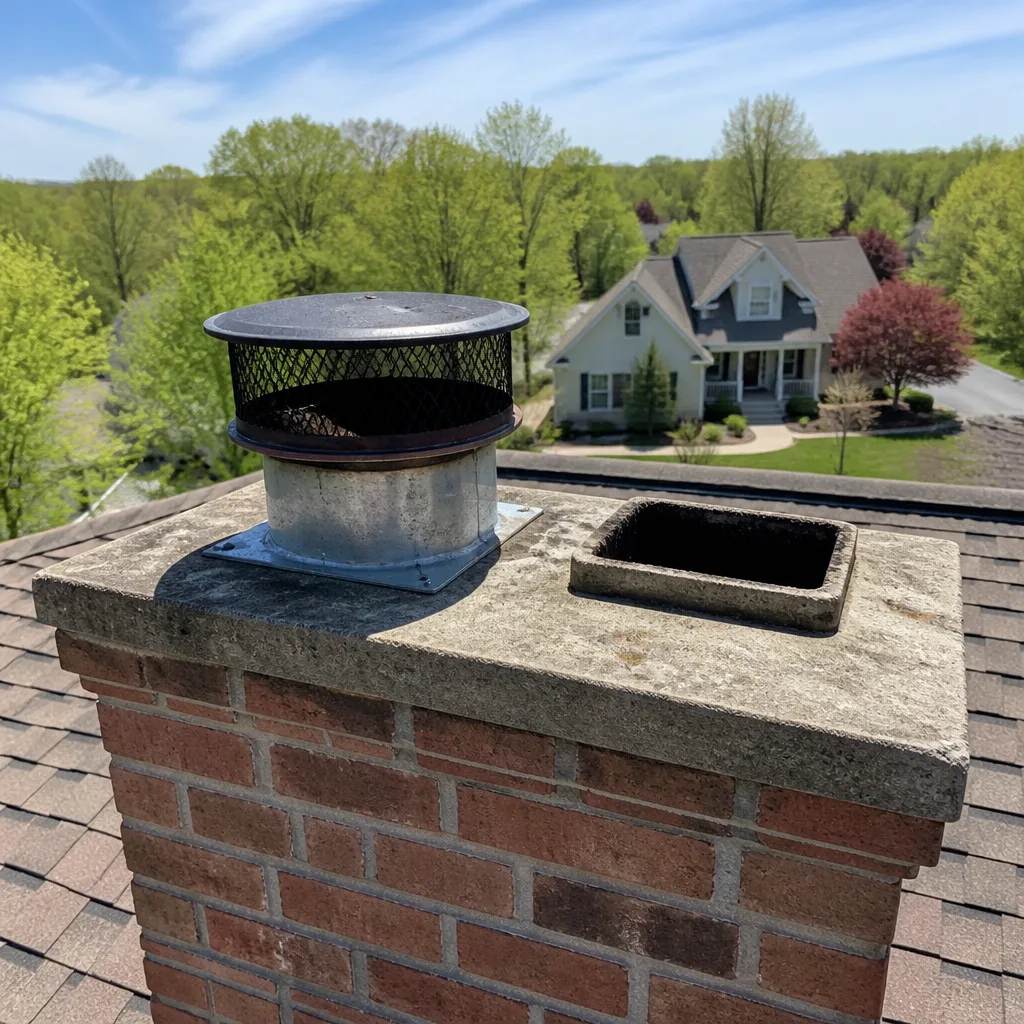
 Sweep & inspection
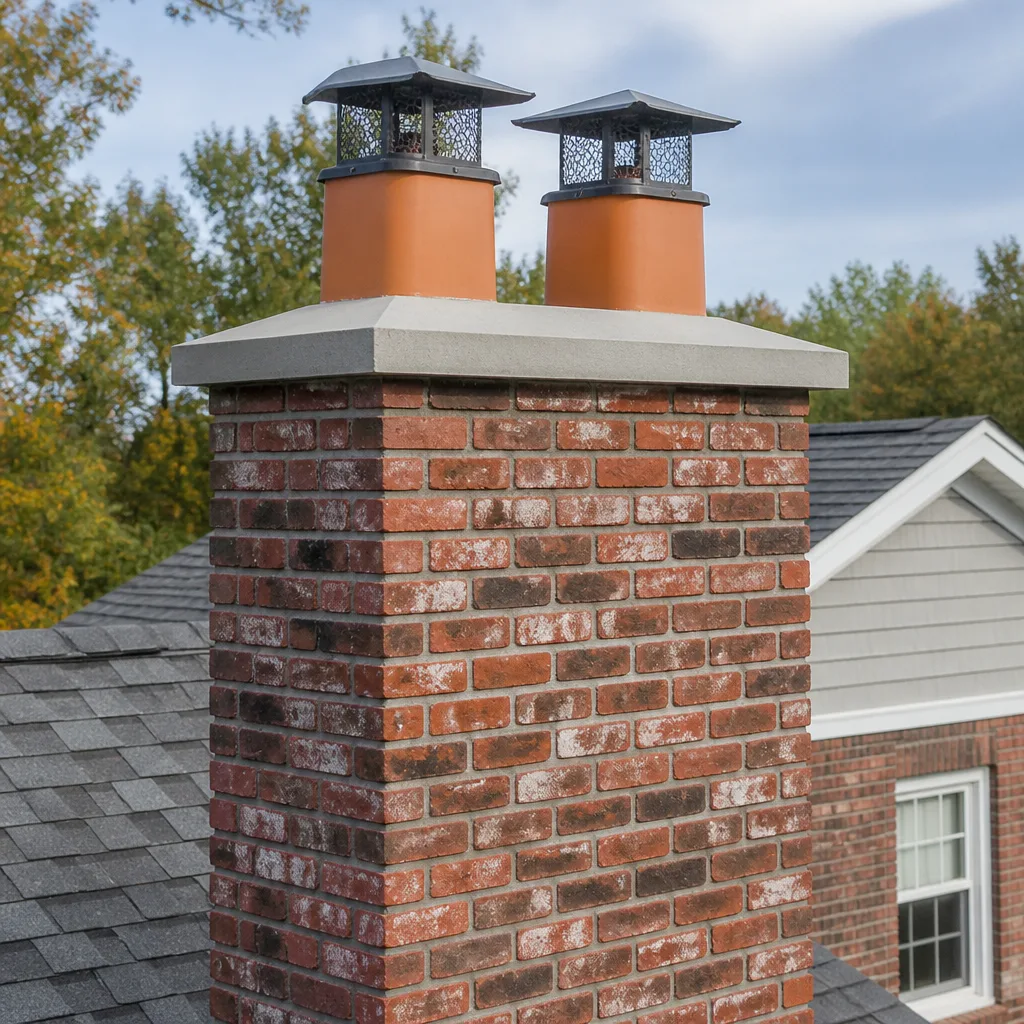 Caps & crowns
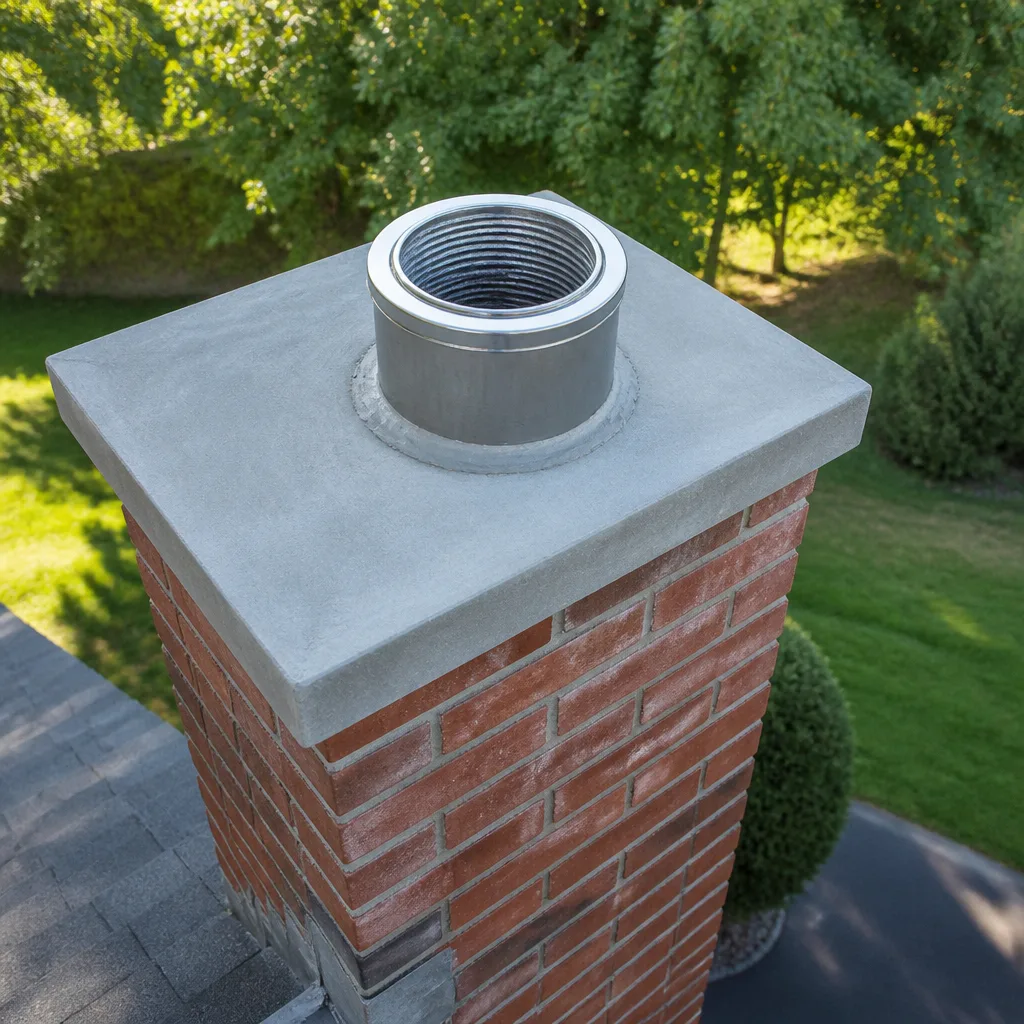 Flue relining
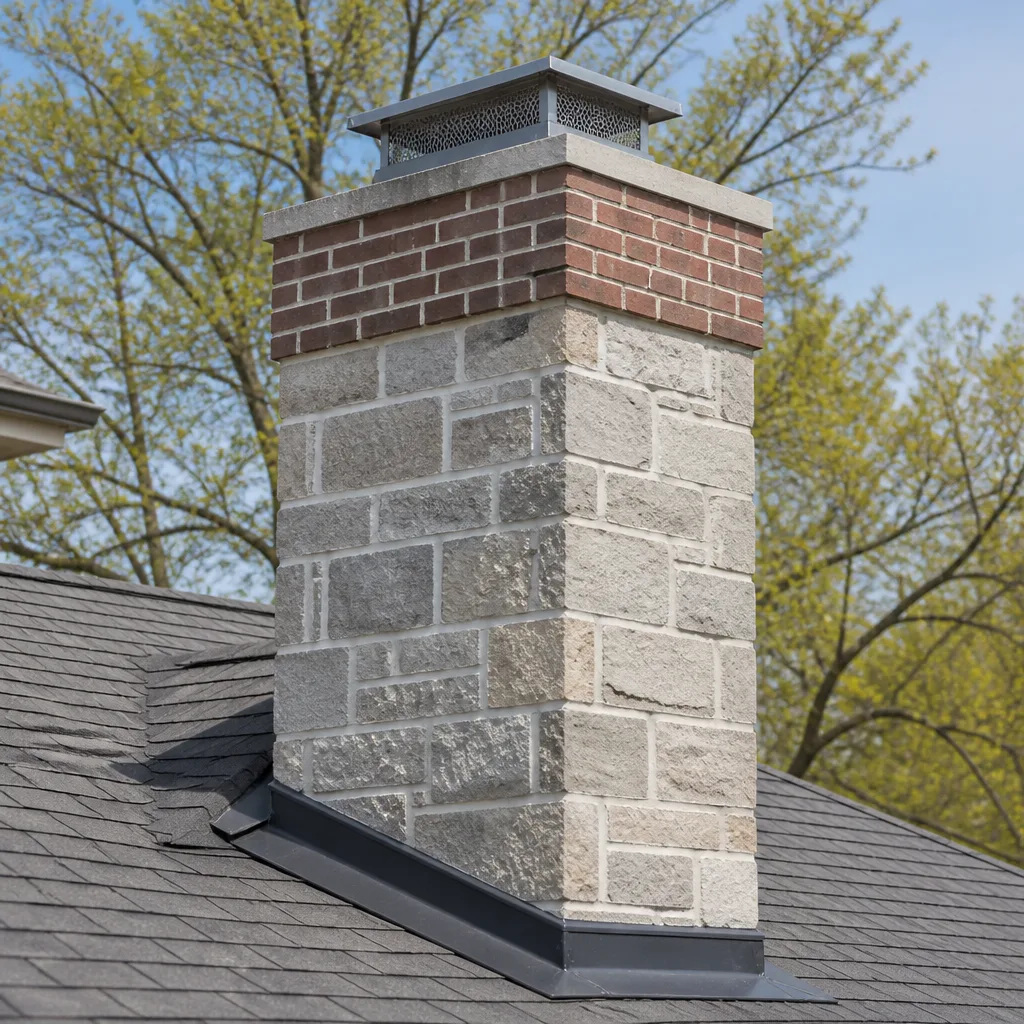 Masonry repair
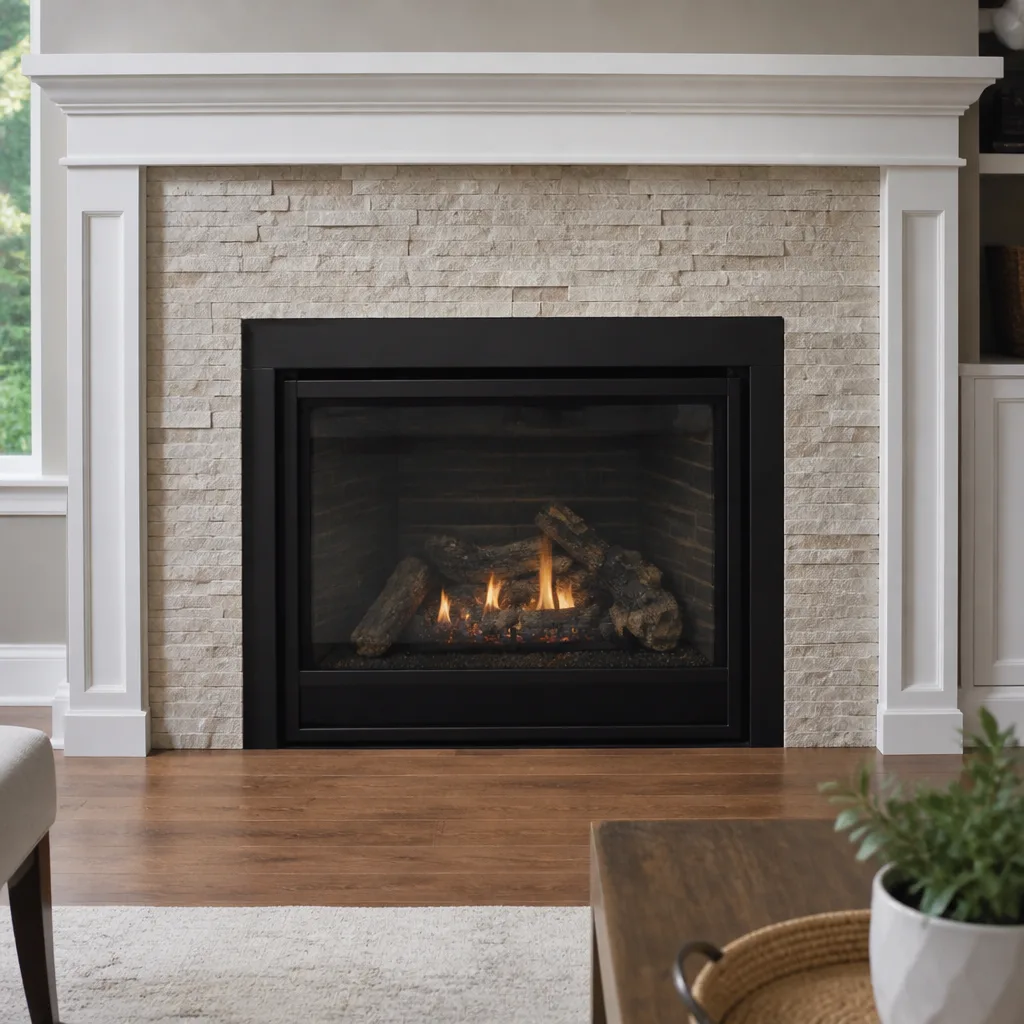 Gas fireplace service
Level 1 sweep and inspection to the NFPA 211 annual standard - flue, crown, cap, and flashing checked and photographed
Chimney sweep logs do not sweep chimneys. They loosen some creosote - which then falls where a brush and vacuum still have to collect it.
Styles & brands we work with
- Sweep & inspection
- Caps & crowns
- Flue relining
- Masonry repair
- Gas fireplace service
See the difference
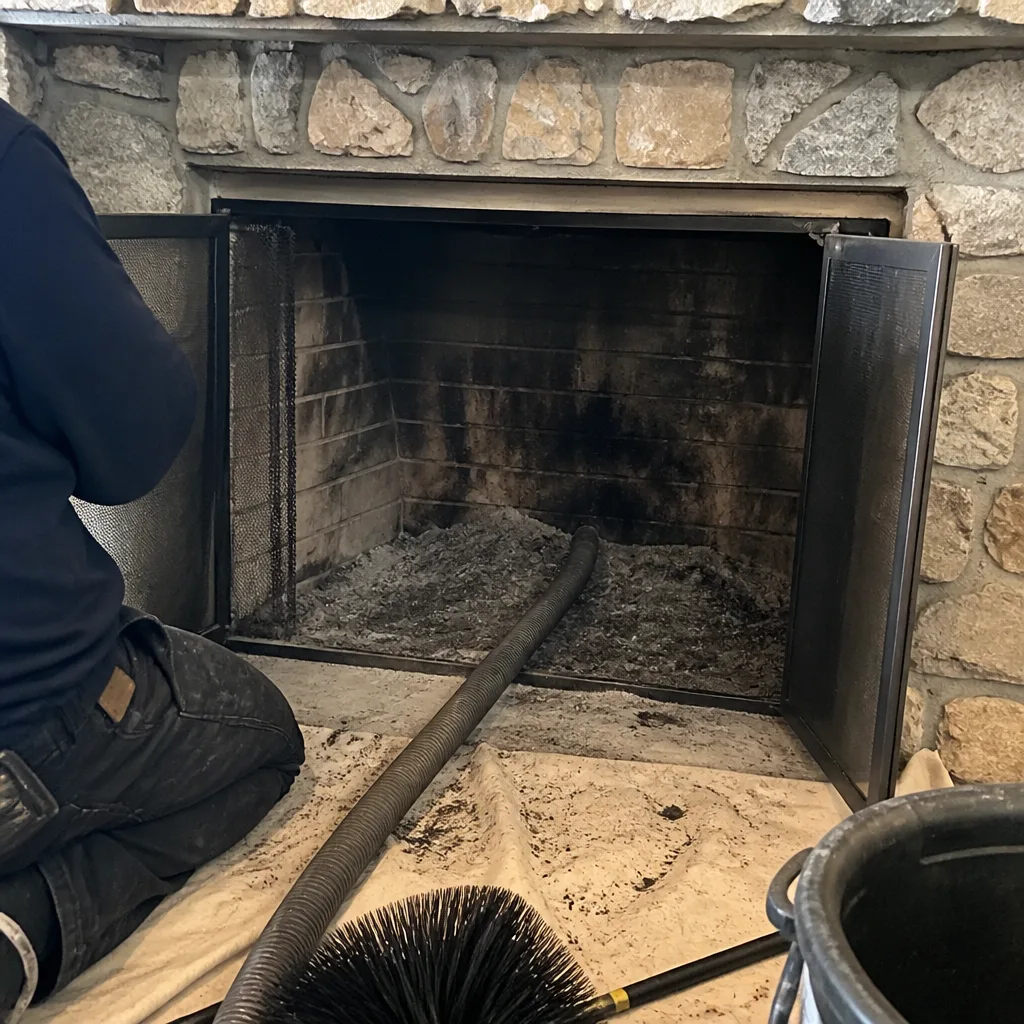 Before
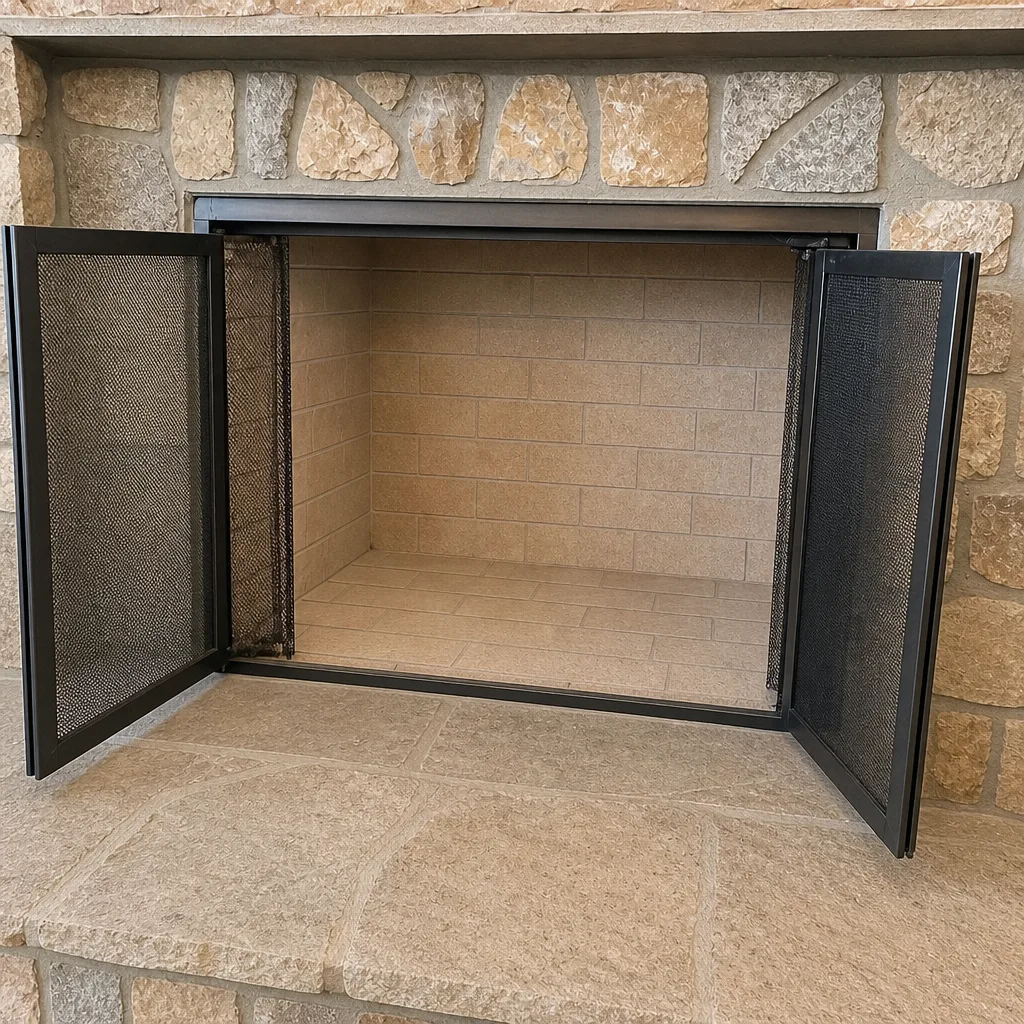 After
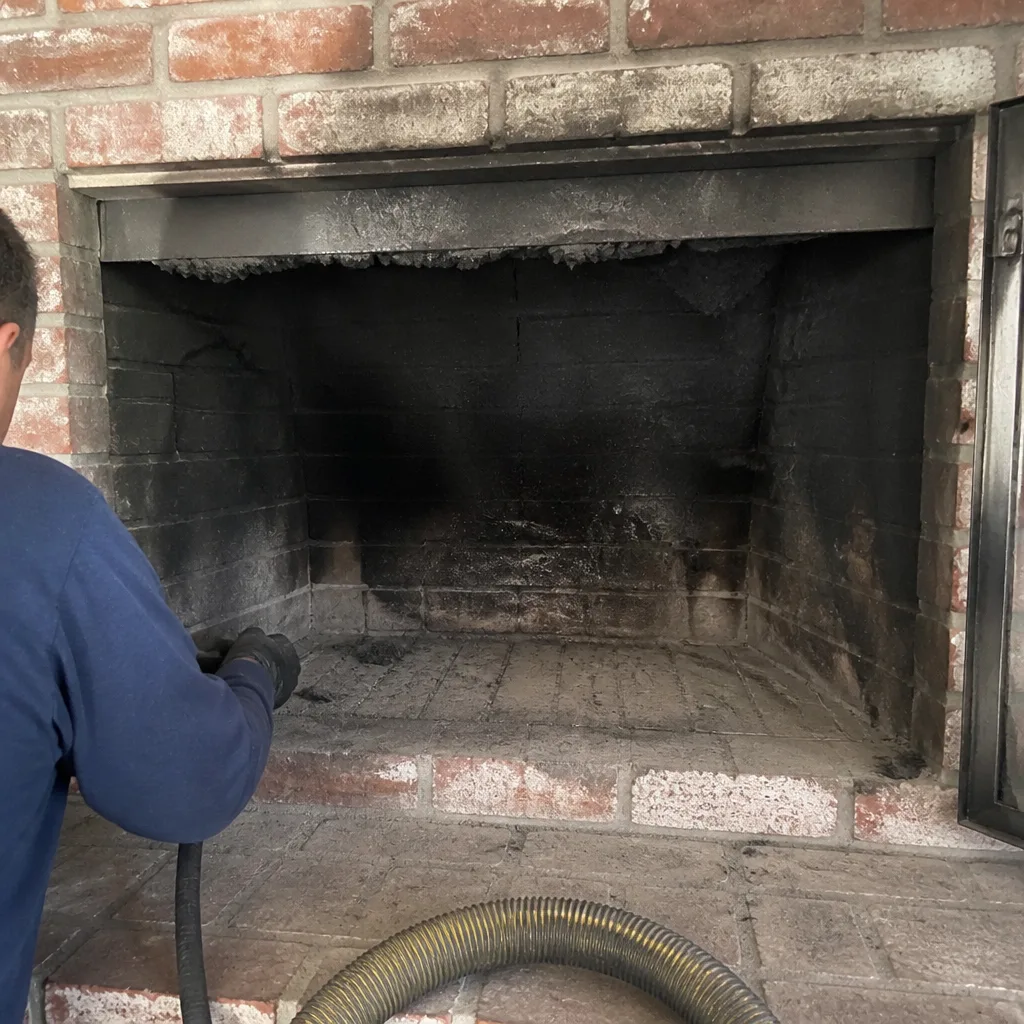 Before
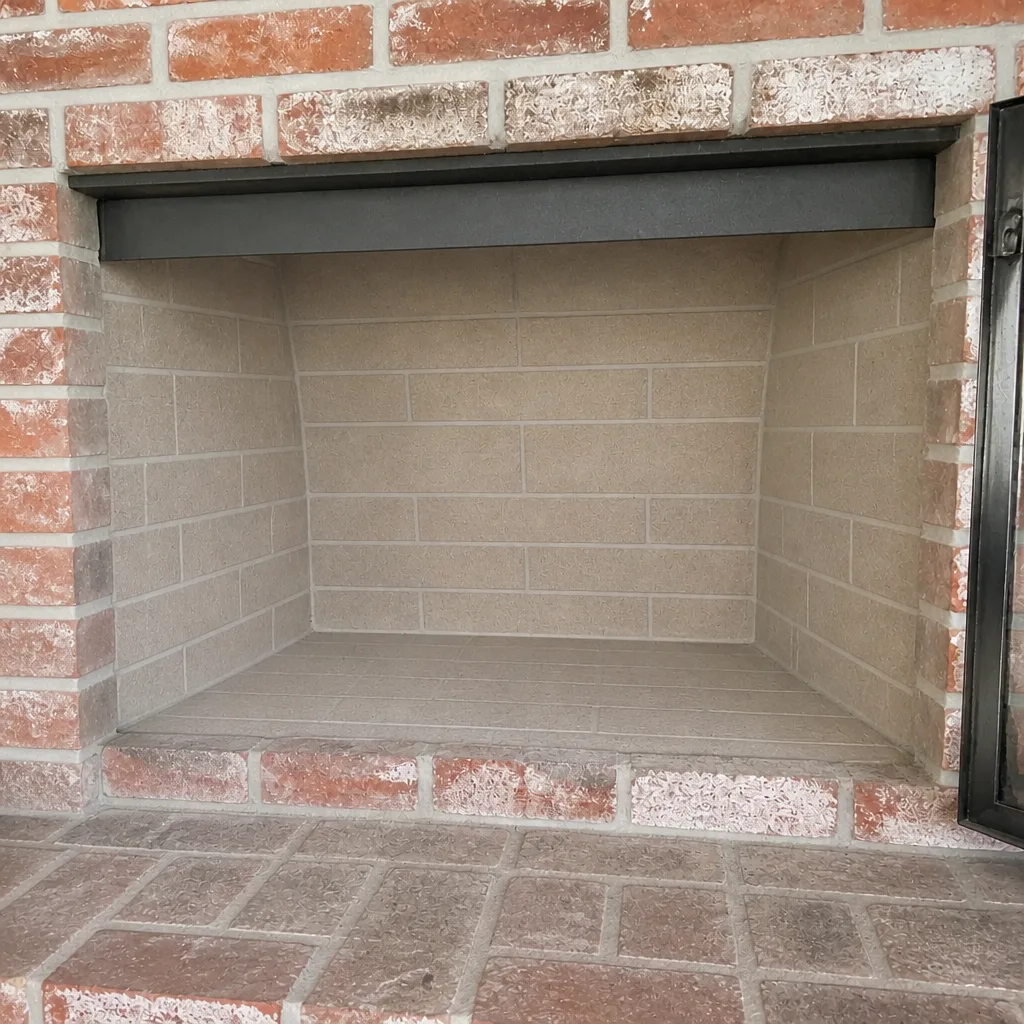 After
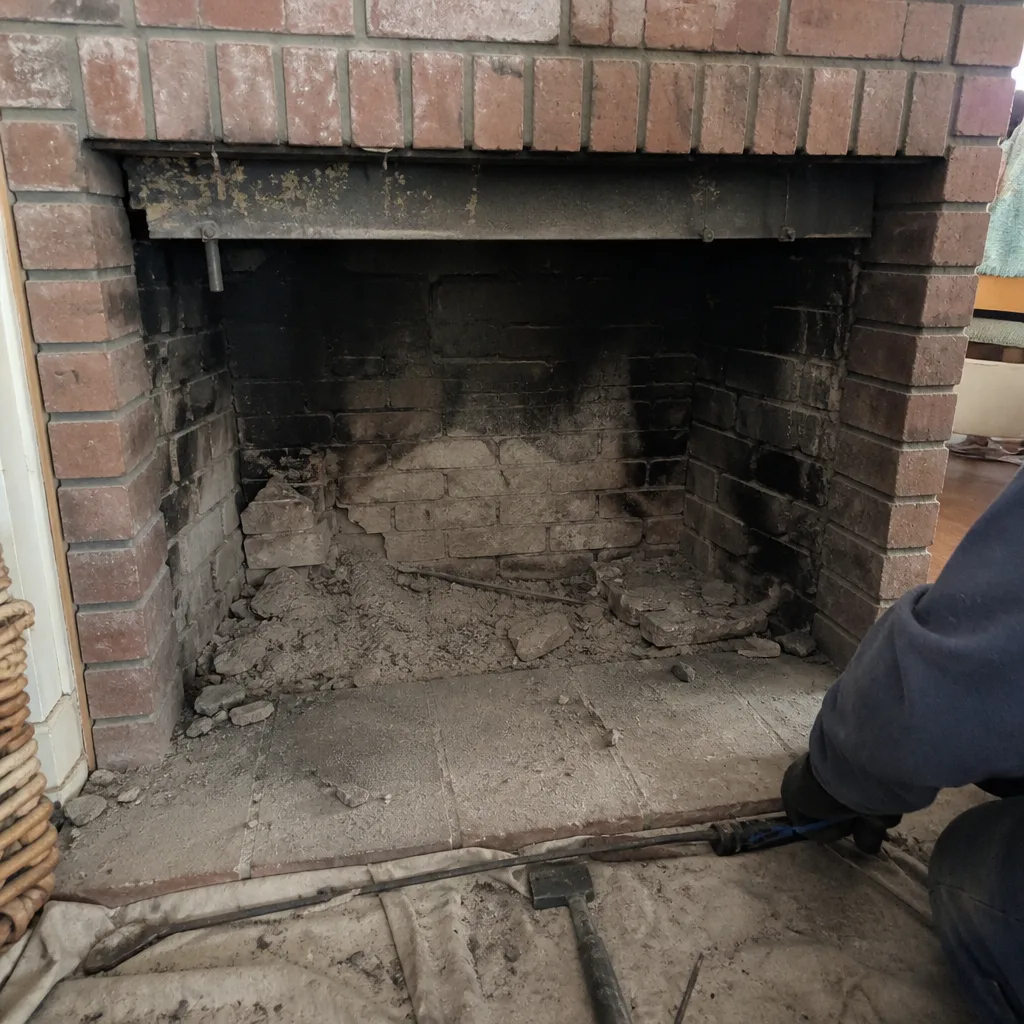 Before
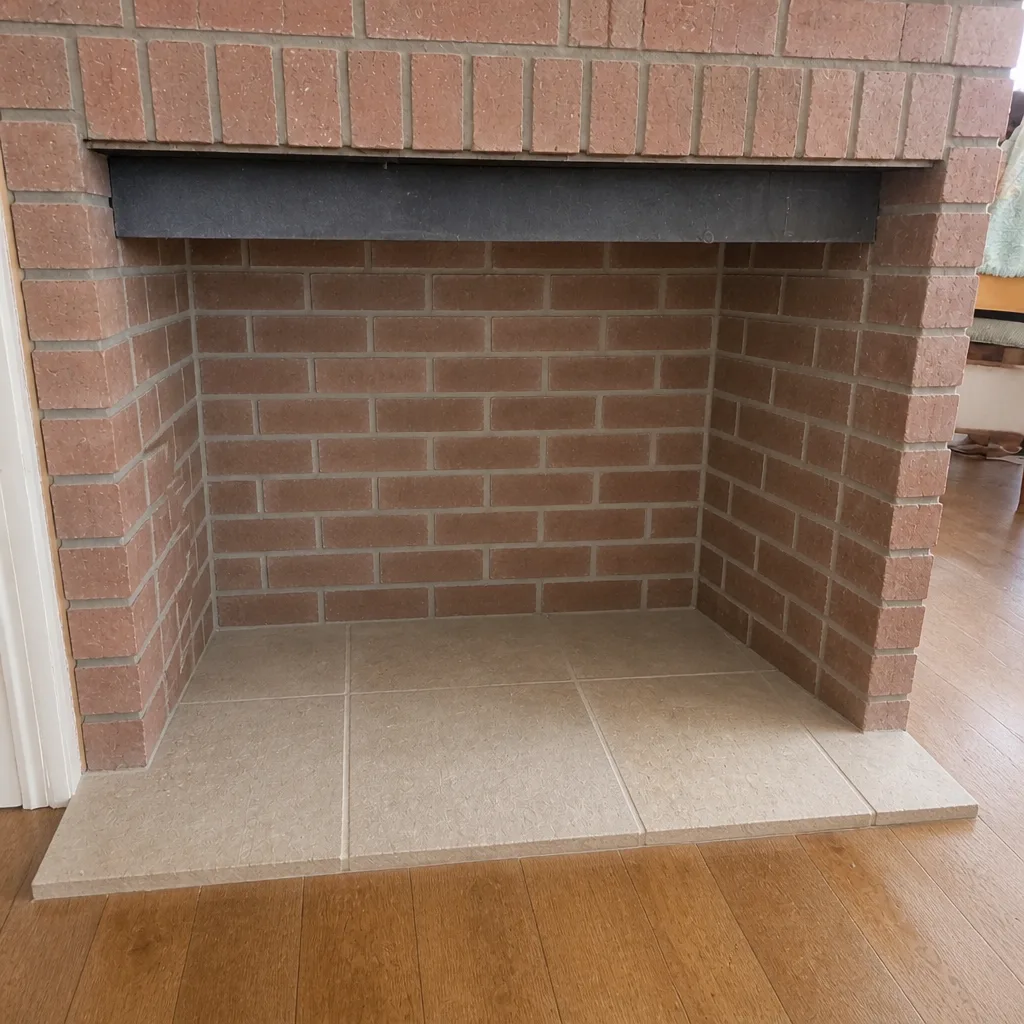 After
How Much Does Chimney Cleaning Cost in Rolling Hills Estates?
Chimney cleaning in Rolling Hills Estates typically costs $175 to $350 for a standard wood-burning flue, with most homes landing near $240. Gas fireplace and appliance vent cleanings usually run $99 to $175, and a cleaning bundled with a Level 2 camera inspection generally falls between $325 and $525. These are typical estimated ranges for the Rolling Hills Estates market in 2026, and the written estimate sets the final price after we see the flue.
Chimney Cleaning Cost Breakdown (2026)
Here’s how the work breaks down line by line for Rolling Hills Estates homeowners. Every number below is an estimate, not a quote; the written estimate you receive after we look at the chimney is what governs the job.
| Service | Typical Estimated Range | What It Covers |
|---|---|---|
| Standard wood-burning chimney sweep | $175 – $350 | Full flue brushing, firebox cleanup, damper check, soot and creosote removal |
| Gas fireplace or appliance vent cleaning | $99 – $175 | Vent and termination check, dust and debris removal |
| Sweep plus Level 2 camera inspection | $325 – $525 | Sweep plus video scan of the flue interior and a written report |
| Heavy creosote removal (glazed, Stage 3) | $300 – $600 | Hardened glazed creosote requiring chemical treatment and re-brushing |
| Multi-flue or two-story chase | $75 – $150 added per additional flue | Second flue on the same chimney, tall stack access |
| Crown or cap check during the sweep | Included in most sweeps | Visual check of the two most common water-intrusion points |
What pushes a Rolling Hills Estates sweep toward the top of that range? Glazed creosote is the big one. It forms when a fire burns cool and smoldery for hours, and it’s rock hard, so it can’t be scrubbed off in a single pass. Long flues on steep-pitch hillside homes also add time because the stack takes more access and more brushes. Access matters just as much: a rooftop that’s easy to reach keeps the job in the middle of the range, while a chimney flanked by dense mature trees or a low-pitched roof edge takes longer to set up safely.
What Affects Chimney Cleaning Pricing in Rolling Hills Estates
- Creosote condition. A dusting of powdery creosote brushes out fast. Glazed creosote can double the labor because it needs chemical treatment and repeat passes. If you’ve been burning unseasoned wood, expect a higher starting point than the baseline sweep range.
- Flue type and lining. A clay-tile flue sweeps differently than a stovepipe or a flexible liner. Rolls of wood-burning homes across Rolling Hills Estates have older clay linings that can shed tiles or crack; when we see that during a sweep, we tell you before we finish, and that’s often when a chimney inspection is worth adding.
- Number of flues. A single-flue chimney is one job. A chimney with two or three separate flues means triple the brushing, so the added cost per flue is normal.
- Access and roof pitch. Homes tucked into the hillside lots off Palos Verdes Drive East often sit lower on the grade, which changes how we set ladders and work platforms. Clean, safe access keeps the price at the low end.
- Debris and obstructions. Bird nests, leaf buildup and a missing cap all slow a sweep down. Cap and crown replacement is worth pricing on the same visit if the chimney doesn’t have one, since the chimney cap and crown service is where the water gets in.
- Interior vs. exterior access. When the flue is cleaned from inside, we lay drop cloths and work around your furniture, which takes more time than an exterior-routed sweep. Same work, different setup.
Why Rolling Hills Estates Chimneys Need a Sweep on a Real Schedule
Rolling Hills Estates sits in a mild-winter climate, which means many homes burn fewer cords than colder regions do. That changes the schedule from what you might read online. Most wood-burning homeowners here are fine on a yearly sweep if they burn a cord or less per season. Burn three or more cords and the flue should be swept every year without question, sometimes sooner.
Here’s the part that surprises people: mild weather works against you in a subtle way. It’s easy to let a season slip by, and easy to burn green, wet wood because it’s what’s stacked out back. Wet wood makes more creosote, and creosote is what fuels chimney fires. The flue doesn’t need to look dirty to be a hazard. The standard rule of thumb among chimney professionals is to have the flue inspected annually and swept whenever the creosote layer reaches an eighth of an inch, regardless of how long it’s been. We’d rather tell you the flue is fine than have you skip the check because “it was done last year.”
The housing stock matters too. Many Rolling Hills Estates homes were built with masonry fireplaces that were meant to be used regularly, and their dampers, smoke shelves and fireboxes have been through many years of fires. A sweep is a starting point. We inspect, repair, and protect what comes next, so what we find in the flue actually gets addressed by the same team rather than handed off to a second contractor.
If you’re not sure when your last sweep was, a quick look at the firebox and the top of the flue tells us a lot. That’s why a call to Chimney Sweep Westminster Pros is a good starting point. Chimney Sweep Westminster Pros handles the full chimney lifecycle: sweeping, inspection, fireplace repair, chimney repair, and cap and crown work, so you’re not chasing down a different contractor for each piece.
What’s Included in a Standard Chimney Cleaning
For the $175 to $350 range, a standard sweep in Rolling Hills Estates covers the parts of the chimney that matter. Knowing what should be included helps you compare estimates fairly instead of comparing only the bottom number.
- A visual scan of the firebox, damper, smoke chamber and the accessible part of the flue.
- Brushing of the flue with drop cloths or a containment setup so dust stays out of the room.
- Removal of soot, ash and creosote from the firebox and the bottom of the chase.
- A check of the cap and crown, the two most common places water gets in.
- A brief report on what we found and whether anything needs follow-up.
What’s not in the base sweep: video inspection, repair work, liner restoration, or a chimney cap and crown replacement. Those are separate jobs with their own price ranges. If you’re shopping around, ask whether the inspection is included and whether the report comes in writing. That tells you more about an estimate than the dollar figure alone.
Chimney Sweep or Chimney Repair: Which One Do You Actually Need?
Plenty of homeowners call for a cleaning and find out the real issue is a cracked flue, a loose crown or a broken damper. A cleaning removes what’s inside the flue. A repair fixes the structure around it. The fastest way to know which one you need is a sweep plus a visual inspection. If we spot a problem, we tell you what it is, what it costs to fix, and whether it’s urgent.
Common findings on Rolling Hills Estates chimneys include:
- Cracked or spalling clay tile liners, often visible at the top of the stack.
- A missing or rusted-through cap that lets rain, leaves and animals in.
- A crown with hairline cracks running from the flue, the entry point for water.
- A rusted damper that no longer seals, letting heat and smell out when the fireplace is idle.
- Loose mortar joints in the crown and the top courses of brick.
When a flue is cracked, the right fix is usually to restore or reline it. That’s where our HeatShield and DuraFlex capability matters. HeatShield liner restoration fixes certain damaged liners without a full reline when the condition allows it. DuraFlex flexible flue liner systems are what we turn to when a full reline is the correct call. We name the brands we install because you should know what’s going into your home.
How to Save on Chimney Cleaning
You don’t need to cut corners to keep chimney costs down. You need to time the work well.
- Book before the burn season. Late summer and early fall slots fill up. Calling ahead keeps you on the regular schedule and away from a rush estimate.
- Bundle the cleaning with an inspection. A sweep plus a camera inspection together usually costs less than booking them separately, and you get a written report on the flue for the record.
- Burn seasoned wood. Wood with low moisture makes less creosote, which means faster sweeps and fewer heavy-removal jobs over time.
- Get a free estimate first. Estimates are free, and the written estimate sets the final price. Call (833) 482-6197 for a no-cost, no-pressure quote.
- Fix the cap early. A missing or damaged cap lets water into the flue. Replacing it before the interior is damaged is a fraction of the cost of repairing a cracked flue.
If water damage or a liner problem has been going on, ask for the fix as part of the same visit. It’s usually cheaper than splitting the work between two contractors. If your fireplace isn’t working at all, the fireplace repair service covers the firebox, damper and the parts of the firebox that wear out.
When to Call for a Chimney Cleaning in Rolling Hills Estates
The three triggers are easy to remember. Call if your fire produces more smoke in the room than it should, if you smell a strong smoke or campfire odor when the fireplace is cold, or if it’s been more than a year since the last sweep. A flutter in the draft or a fire that’s hard to light can also point to a partially blocked flue or a problem with the damper.
One caution: don’t try to look into the flue with a flashlight and call it an inspection. Creosote can hide the condition of a clay liner, and a quick look from the firebox won’t show the top of the stack. A proper check from the flue and the roof is what tells you whether the chimney is safe to use. Call chimney repair if you hear a flake of tile fall or spot loose brick at the crown, because those are early warnings of water getting into the chase.
What Happens When You Call
When you call, we ask a few quick questions: what you burn, roughly how often you light a fire, and whether you’ve noticed any smoke, odor or crumbling mortar. We’ll set a time, then our technician inspects the firebox and the flue before any work begins. When a repair or reline is needed, we explain what’s involved and what it costs before we start.
Our technicians have up to 13 years of experience, and we do the work ourselves. We don’t hand off the flue to a second company, and we don’t sell you a service you don’t need. Gas fireplace owners get the same treatment and a straightforward answer about what the vent needs. If you’re not sure whether a sweep is the right move, the chimney inspection service is a good middle step. For a deeper look at what a cleaning involves, see our guide on how often you should clean your chimney, and for the signs it’s overdue, read the signs your chimney needs sweeping.
We serve homeowners beyond Rolling Hills Estates as well, including San Pedro and Torrance.
FAQs – Chimney Cleaning Cost
How much does a chimney sweep cost in Rolling Hills Estates?
A standard wood-burning flue cleaning in Rolling Hills Estates typically costs $175 to $350, with most homes near $240. Gas vent cleanings run about $99 to $175, and a sweep plus a Level 2 inspection is typically $325 to $525. Call (833) 482-6197 for an exact quote, since estimates are free and the written estimate sets the final price.
Can I skip my annual chimney cleaning?
No. The safer habit is a yearly inspection and a sweep whenever the creosote layer reaches about an eighth of an inch, even if the flue doesn’t look dirty. Skipping a year lets creosote build up and hides small problems like a cracked tile. Call (833) 482-6197 to get your flue checked before the burn season.
Why does a heavier creosote job cost more?
Glazed creosote usually adds $125 to $250 to a standard sweep because it’s hard and can’t be brushed off in one pass. It needs chemical treatment and re-brushing, which is more labor. If your wood has been wet or the fire has burned smoldery, that cost is easy to avoid. Call (833) 482-6197 for a free estimate on a heavy-removal job.
Is it cheaper to restore a liner or replace it?
Restoration is usually cheaper when the damage is limited: HeatShield liner restoration typically costs less than a full DuraFlex reline, and we’ll tell you honestly which one your flue needs. A partial reline is often the right middle ground for one bad section. For a free assessment of which route fits your chimney, call (833) 482-6197.
Do you add a cap when you come to clean?
Not automatically, but we’ll check the cap and crown during the sweep and price a replacement separately if it’s missing or damaged. Caps and crowns aren’t add-ons; they’re the difference between a chimney that lasts and one that leaks. Call (833) 482-6197 to price the cap and crown alongside the cleaning.
If chimney work has been on your list for a while, now is a good time to cross it off. Call Chimney Sweep Westminster Pros at (833) 482-6197 for a free estimate. We answer 24/7. Fast dispatch, 7am-7pm. Our technicians have up to 13 years of experience, and we work with DuraFlex, HeatShield, Olympia Chimney, Gelco, Famco and Copperfield on the jobs that call for them. From the firebox to the crown, one team, one standard.
Written by the team at Chimney Sweep Westminster Pros.
Pricing reflects the Rolling Hills Estates market as of 2026. Chimney Sweep Westminster Pros offers free estimates – call (833) 482-6197.
What Our Customers Say
"Creosote buildup was worse than I realized. He measured it, showed me the glazing on the flue with the camera, and was honest that we were closer to a chimney fire than I wanted to hear."
- Carlos Herrera"Cap keeps the birds out now, which after two springs of scratching noises is worth every penny."
- Emily Ackerman"Crown was cracked and taking water. Repaired it rather than quoting a rebuild, which the previous company had pushed hard for."
- Mark Whitaker